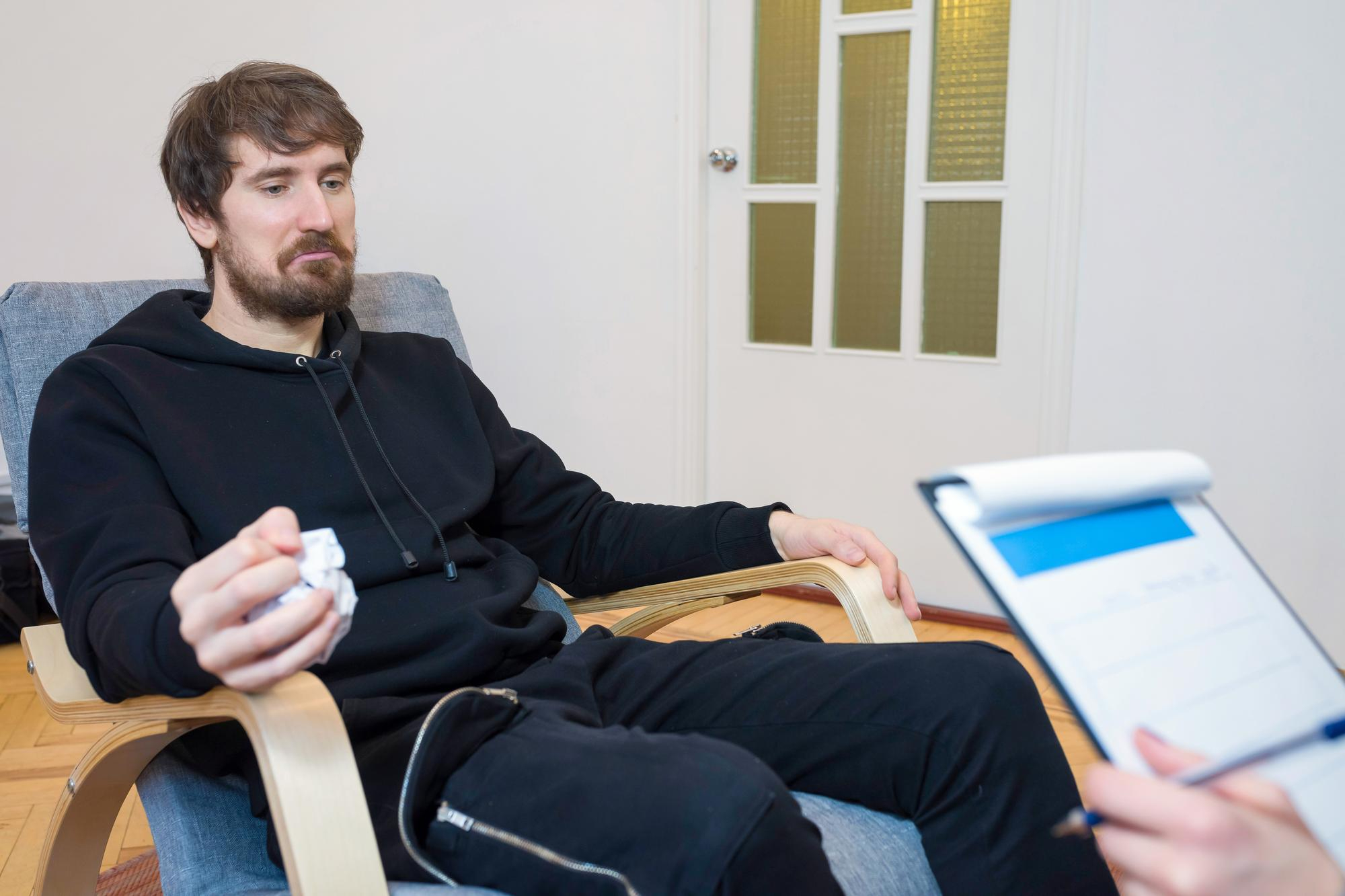
Detox and early recovery are physically demanding periods, but the emotional dimension is just as significant, and in many ways, harder to prepare for. When the substance that's been managing emotions, stress, discomfort, and pain is removed, all of those underlying experiences are still there, they don't just disappear during detox.
For many people, they actually intensify. That vulnerability in those early days is real, and how it's met makes a measurable difference in what follows in the recovery process.
Emotional support during this period isn't some soft add-on or a feature that separates premium programs from basic ones. It's a clinical requirement, plain and simple. Without real support for what someone's feeling in early recovery, the odds that they decide they just can't tolerate the discomfort and go back to using are a lot higher.
That's part of why understanding what emotional support actually looks like in practice matters so much, and why finding a leading rehab center in Newfane, NY, makes such a difference in those first few weeks, since it helps people and families choose care that addresses all of what recovery actually involves.
What Emotional Experience Looks Like in Early Recovery
People entering detox and starting out in our residential program often face feelings they haven't experienced clearly in years. Substance use tends to suppress, numb, or chemically alter emotional states over time, and that's kind of the point, in a way. When that suppression lifts, emotions can return strongly, sometimes in ways that are difficult to understand in the moment.
Fear is common in early recovery, and so is something that works a lot like grief, even if the person doesn't immediately recognize it as that. There's often grief for the time lost, for relationships damaged during active addiction, and for the shape of a life that ended up looking very different than what the person had hoped for.
Shame and self-doubt tend to surface too, and honestly, they can be some of the most damaging feelings, because they create this internal environment where the person struggles to even believe they're capable of getting better.
One thing the care team says over and over during this period, because it matters, is that the emotional turbulence someone's going through is a predictable part of the process, not some sign that recovery isn't possible for them.
How Individual Counseling Addresses the Emotional Side of Recovery
Individual counseling is where the most personal emotional work happens in the inpatient program. Each client at our facility gets one hour of individual counseling daily, which might not sound like much, but that daily consistency really adds up.
It lets the counselor track what's happening with a person over time, follow how they're responding emotionally to those early weeks, and adjust the approach based on what's actually coming up for that specific person.
Group therapy covers a lot of ground, but it doesn't replace the individual session, not really. There are things people need to say in a private, one-on-one setting that they're just not ready to share in a group yet. The daily session gives them that space without the pressure of an audience.
It's also where the counselor starts picking up on the emotional patterns tied to a person's substance use, like what feelings tend to show up right before cravings, what situations feel most threatening to their stability, and what internal strengths they can lean on when things get hard.
Family members watching from the outside often want to understand this part of the process, and supporting a loved one through inpatient rehab can help them make sense of what their person is working through in these sessions.
How Co-Occurring Mental Health Conditions Factor In

A significant share of people who enter treatment for substance use disorder are also managing diagnosable mental health conditions. Depression, anxiety, PTSD, and bipolar disorder are among the most common, and each one shapes the emotional experience of early recovery a little differently.
That's why the psychiatric evaluation we do within the first 24 hours of admission matters so much, honestly. When a co-occurring condition gets identified early, the treatment plan can address it from the start instead of discovering it weeks later, after it's already made recovery harder.
Our clinical team treats substance use and mental health conditions as interrelated the whole way through the program, not as two separate tracks running side by side.
For clients with trauma histories, Seeking Safety gives a specific, evidence-based framework for building stability in early recovery. It doesn't require people to revisit traumatic memories before they're ready, which matters a lot. Instead, it focuses on helping people feel safer in their current circumstances, relationships, daily behaviors, and emotional environment.
And relationships work both ways here too, families often play a role at this stage of treatment, so it can help to read up on family involvement during inpatient rehab and see where you might fit into that picture.
Worried about a loved one who might need this kind of support, or maybe wondering if it's time to look into treatment for yourself? Give us a call at (716) 203-8000, and we'll help you figure out the next step.
The Support That Comes From Being With Others Who Understand
Individual counseling and psychiatric care aren't the only sources of emotional support during inpatient treatment. The group structure of the residential program matters in a way that's pretty different from one-on-one clinical work.
Group therapy runs seven days a week at our facility, and honestly, just being among people who understand from the inside what this process feels like provides a kind of support that clinicians, however skilled, can't fully replicate on their own.
Isolation is one of the emotional hallmarks of active addiction, and that's not an exaggeration. Many people in treatment have pulled away from relationships, cut off social connections, or found themselves surrounded only by others who were also using. The group environment in residential treatment is often the first genuinely supportive community a person's been part of in years.
Being heard without judgment, and hearing others work through similar struggles, isn't incidental to recovery, it's one of the things that makes the residential setting more effective than a string of outpatient appointments held in isolation from each other.
Preparing for the Emotional Demands of Life After Treatment
Emotional support doesn't end when a person leaves the residential program. The discharge planning process, which starts before the final days of the program, is largely focused on making sure that support keeps going after the person returns to daily life.
That means outpatient counseling referrals, peer support group connections, and for clients with co-occurring mental health conditions, arrangements for continued psychiatric care.
The relapse prevention plan each client leaves with isn't just a list of triggers and situations to avoid. It's a structured document that identifies what the person's likely to find emotionally tough after discharge, what resources are available when those challenges come up, and what specific steps to take when stability starts to feel fragile.
That kind of planning reflects an understanding that the emotional work of recovery doesn't wrap up at the end of 28 days. The residential program is where that work begins in earnest, and what comes after really determines a lot about how it continues.
Have questions about starting treatment, or just want to talk through your options first? Contact us, and we'll help you figure out the right next step. You can also reach us at (716) 265-3700 or admissions@niagararecovery.com. We're here Monday through Sunday, open 24 hours.
Related Topics: