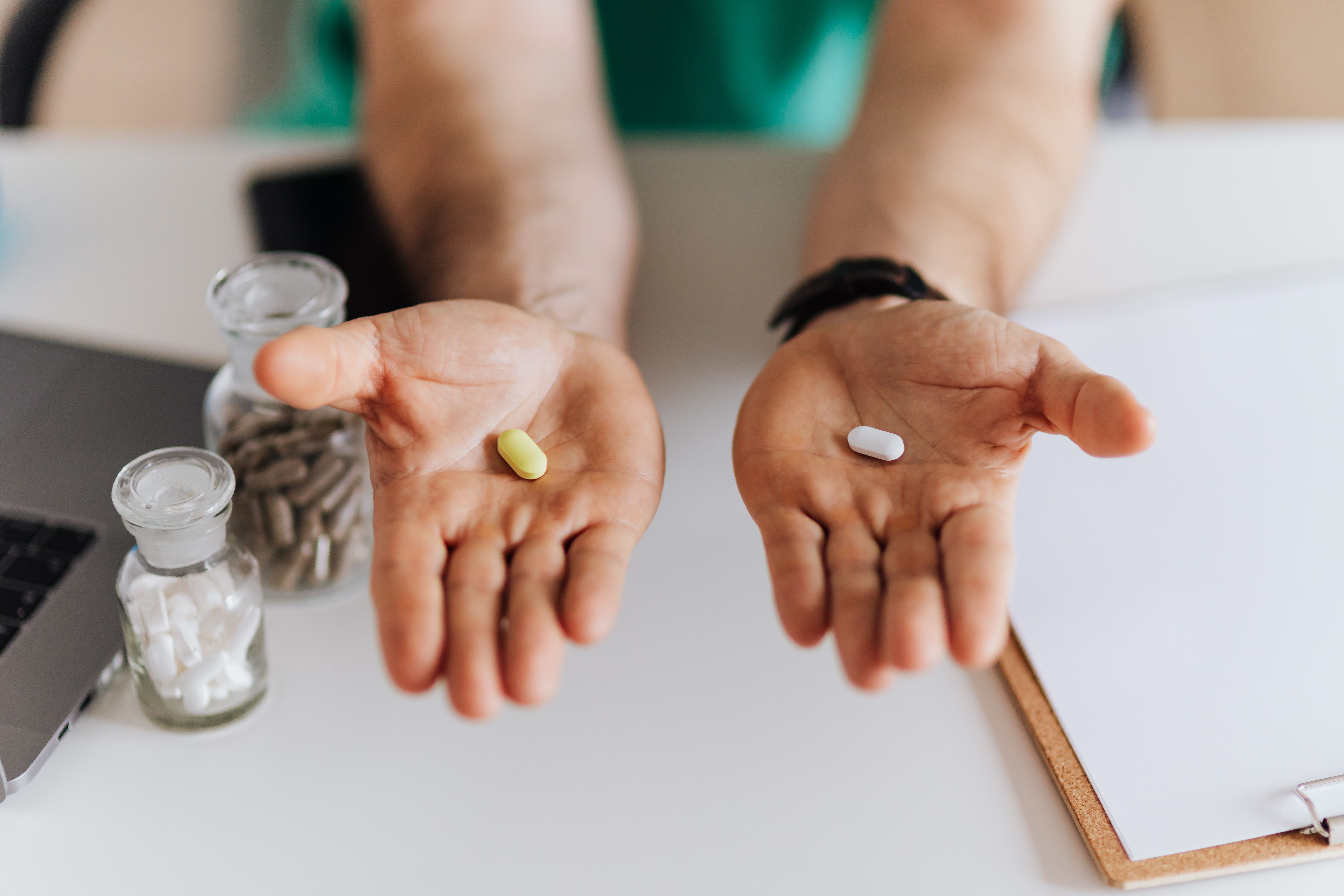
The biggest differences sit in the detox stage, not the rehab stage. Alcohol withdrawal is managed with a tapering protocol because stopping abruptly can cause seizures or delirium tremens. Opioid withdrawal is managed with medication assisted treatment, which is rarely life threatening but is severe enough that most people cannot get through it unmedicated. Once the body is stable, the counseling, group work, and discharge planning in our 28 day residential program look substantially alike for both. Knowing which parts differ helps you ask better questions before you choose a facility.
How Withdrawal Risk Differs Between Alcohol and Other Drugs
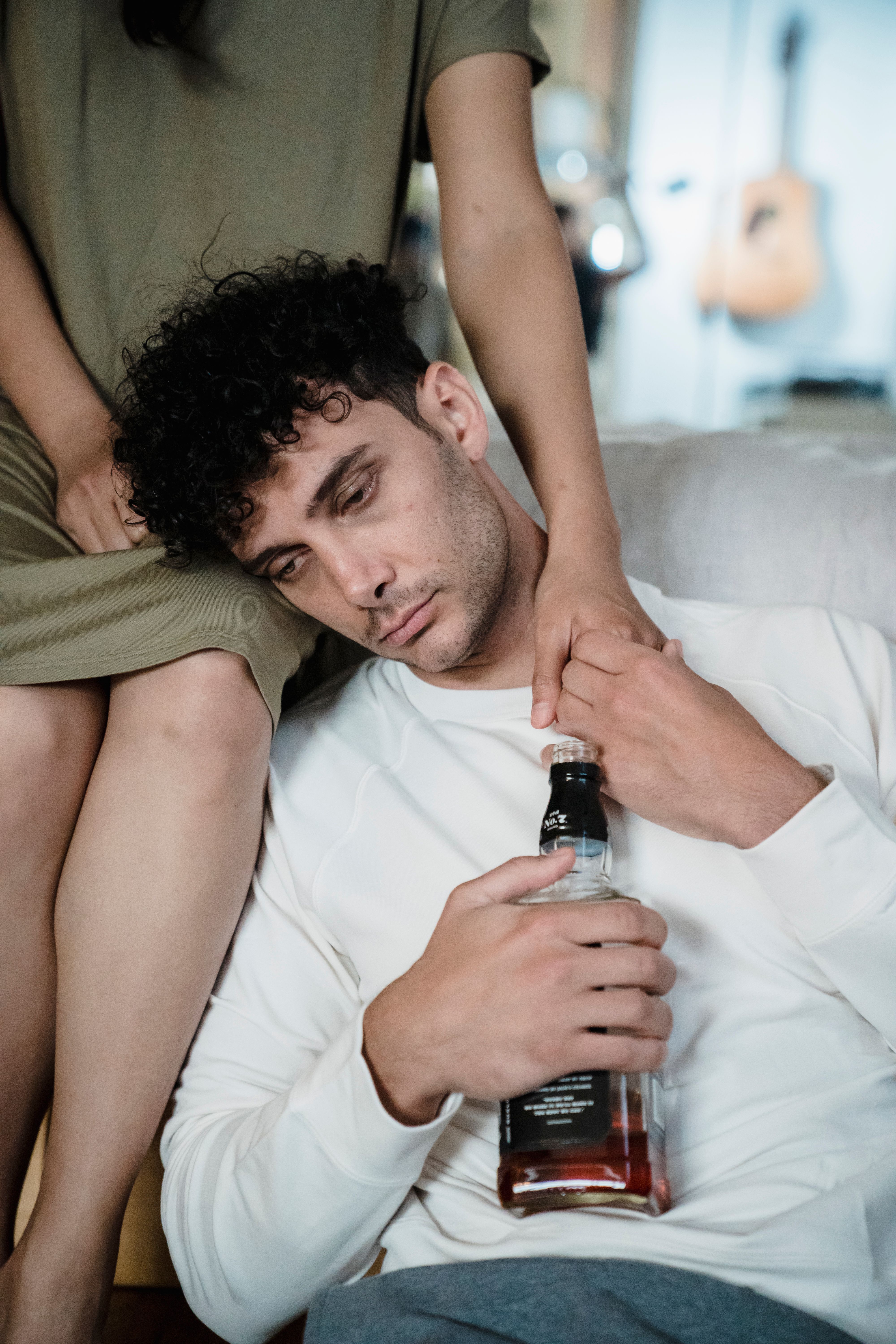
Alcohol belongs to a small group of substances where withdrawal itself can kill. Heavy daily drinkers who stop suddenly can develop seizures, and delirium tremens carries a genuine mortality risk without medical management. That is why we treat alcohol withdrawal as a medical event from the first hour, with continuous monitoring and a tapering schedule that brings the dose down at a pace the body can absorb.
Opioid withdrawal sits at the other end. It is intensely uncomfortable, with muscle cramps, vomiting, diarrhea, insomnia, and cravings that peak around 48 to 72 hours, but it is not usually dangerous on its own. The danger comes afterward. Tolerance drops fast during even a short abstinence, so a person who relapses at the old dose is at high overdose risk. Benzodiazepines behave more like alcohol, requiring a physician supervised taper because abrupt cessation is medically unsafe. Those three profiles drive three different medication plans, which is the single clearest difference in how we handle each.
Which Medications Are Used for Each
For alcohol dependence, our approach centers on tapering during withdrawal, with Vivitrol available after detox is complete to reduce cravings and support longer term sobriety. Disulfiram is also part of our medication set for alcohol use disorder. The goal during the acute phase is preventing seizures and stabilizing vital signs, not blocking a reward pathway.
For opioid dependence, medication does more of the work. Suboxone and Buprenorphine reduce withdrawal severity and cravings without producing the full effects of an opioid, and the naloxone component in Suboxone deters misuse. Sublocade offers a once monthly injection for clients who struggle with a daily oral dose. Vivitrol blocks opioid effects entirely and is introduced only after detox is finished, never during acute withdrawal. For benzodiazepines, the protocol is a supervised taper rather than a substitute medication. Our medical team also continues MAT for clients who arrive already prescribed it elsewhere.
Not sure which detox applies to your situation? Call (716) 203-8000, and our intake team can tell you on the phone, with same-day admission available when a bed is open.
Where the Two Programs Look the Same
Once detox is complete, the differences narrow considerably. Both paths move into the same residential rehabilitation structure: one hour of individual counseling per day, group counseling seven days a week, and the same evidence based therapeutic models. Dialectical Behavioral Therapy is used across both because people with alcohol use disorder and people with opioid dependence frequently use substances to manage emotions they have no other tools for. Seeking Safety is used wherever a trauma history shows up, which it does in both populations.
The psychiatric evaluation within the first 24 hours applies equally. Depression, anxiety, PTSD, and bipolar disorder appear across substance types, and treating the substance use alone leaves the driver untouched. The daily rhythm, the meals, the outdoor space, the recreation room, and the discharge planning process are identical regardless of what brought someone in. Readers comparing this against a single substance view often find what alcohol rehab involves day to day a useful companion.
What Changes When Someone Is Dependent on More Than One Substance
Polysubstance dependence is common, and it changes both the timeline and the medication plan. Someone drinking heavily while also using opioids needs a taper for the alcohol and MAT for the opioids at the same time, with the interactions between those medications watched closely. The stay often runs longer because two withdrawal curves do not line up neatly.
This is where the assessment at admission earns its place. Our nursing team takes vitals, reviews medical history and current medications, and collects a urine sample to identify what is actually in the system, which sometimes differs from what a person reports. Kathleen Vogt, our Director of Nursing, brings more than 30 years of nursing experience to overseeing that process. The treatment plan that comes out of it is built for the specific combination in front of the team, which is why our clients move through how drug rehab works stage by stage at different speeds rather than on a fixed schedule.
How to Choose the Right Program for Your Situation
The practical question is not whether a facility specializes in drug rehab or alcohol rehab. It is whether the facility is licensed to handle the detox your body actually needs, and whether it can carry you through rehab afterward without a transfer. We hold two OASAS licenses, one for Medically Supervised Inpatient Withdrawal and Stabilization Services and one for Inpatient Rehabilitation Services, which means detox and residential treatment happen under one roof with one clinical team.
Ask any facility you are considering three things: which substances they are licensed to detox, whether MAT is available on site, and what happens on the day detox ends. A program that detoxes you and then refers you elsewhere creates the exact gap where most relapses occur. For anyone whose primary concern is alcohol, our alcohol detoxification services in Newfane page covers the tapering protocol in more detail.
Frequently Asked Questions
What is the difference between detox and rehab?
Detox clears substances from the body under medical supervision and manages withdrawal. Rehab is the structured treatment program that follows, covering counseling, therapy, skills building, and planning for life after treatment. Detox alone does not treat addiction.
Is alcohol detox dangerous without medical supervision?
Yes. Alcohol withdrawal can cause serious medical complications including seizures and a life threatening condition called delirium tremens. Medical detox at a licensed facility is strongly recommended for anyone who drinks heavily or daily.
Is MAT only for opioid addiction, or is it used for other substances too?
MAT is primarily used for opioid use disorder and alcohol use disorder. Suboxone, Sublocade, and Buprenorphine address opioid dependence, while Vivitrol is used for both opioid and alcohol use disorder. Our medical team determines which medications are appropriate case by case.
What is tapering and how is it used in detox?
Tapering is the process of gradually reducing the dose of a substance or substitute medication until the body no longer requires it. We use tapering for alcohol detox and benzodiazepine detox to manage withdrawal safely and prevent complications.
Do I have to complete detox before starting the residential rehabilitation program?
Not always. Clients who have already completed detox elsewhere can enter the residential rehabilitation program directly. For clients who need detox first, both stages happen at the same facility with the same clinical team.
Contact Us
If you are weighing options for yourself or a family member, our intake team can walk you through which level of care fits in a single phone call. Most Medicaid plans are accepted and a dedicated staff member handles insurance verification before admission.
Intake Phone: (716) 203-8000
Email: admissions@niagararecovery.com
Address: 2600 William St, Newfane, NY 14108
Same day admissions available.
Related Topics:
- The Role of Behavioral Therapy in Inpatient Addiction Treatment
- How to Evaluate Inpatient Detox Centers in Newfane