.jpg)
Detox helps clear substances from the body, but it does not explain why someone started using or what needs to change after treatment. Therapy does that work. In a qualified rehab program, therapy helps clients understand their triggers, build coping skills, and leave with a plan that can support recovery outside the facility.
At our Newfane, NY facility, therapy is the center of the 28-day residential program. Clients receive daily individual counseling, group therapy seven days a week, and evidence-based care using DBT and Seeking Safety.
Why Therapy Is the Core of Inpatient Rehabilitation
Substance use disorder affects the body, but the reasons behind it are often emotional, behavioral, and social too. Many people use substances to cope with trauma, anxiety, depression, stress, grief, or parts of life that feel too heavy to manage.
Detox treats the physical dependence. Therapy helps address the patterns and pain that led to the substance use in the first place. Without that work, the person may leave detox feeling physically better but still without the tools needed to stay sober.
That is why therapy is not an extra part of rehab. It is the part that helps recovery continue after the body has stabilized.
Individual Counseling: One Hour Per Day
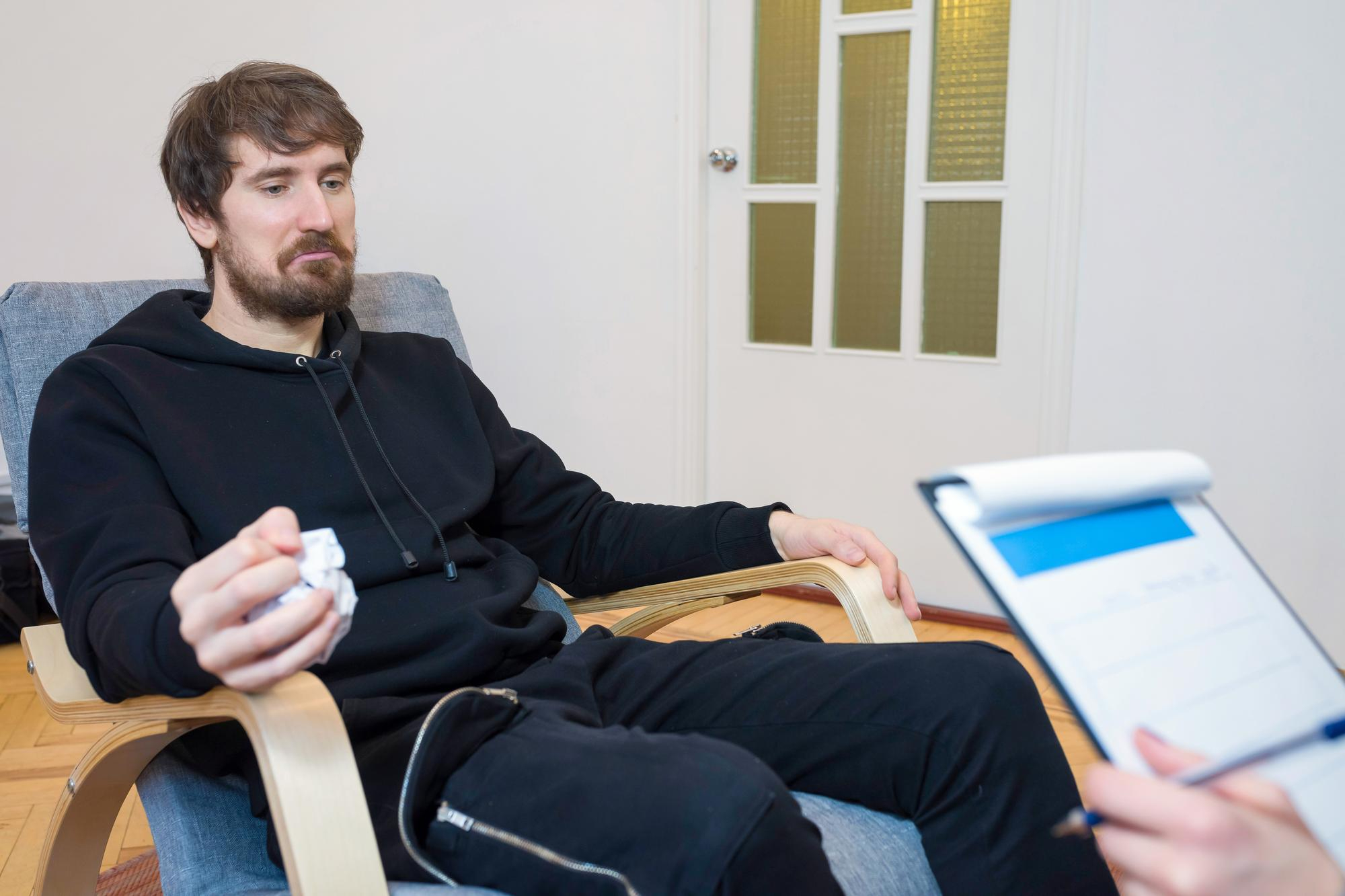
Every client in our residential program receives one hour of individual counseling each day. These sessions are private, focused, and built around the client’s own history.
The counselor and client talk through triggers, thought patterns, behaviors, relationships, trauma, and past attempts at recovery. This is where the deeper personal work happens. It gives clients space to say things they may not be ready to discuss in a group.
Over 28 days, daily counseling helps build trust and momentum. That steady one-on-one work can help clients better understand what needs to change and what support they will need after treatment.
Group Therapy: Seven Days a Week
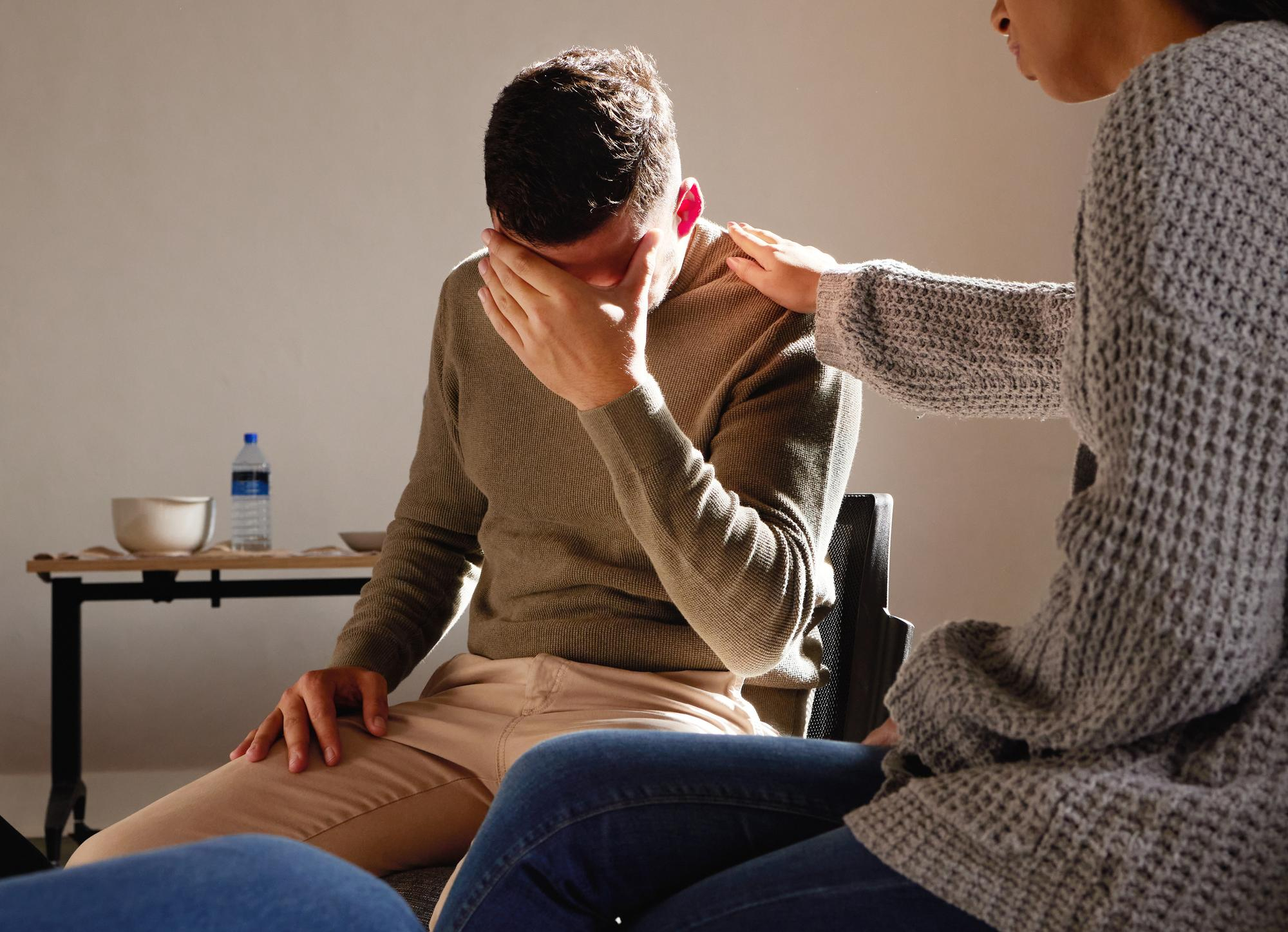
Group therapy happens every day at our facility. It serves a different purpose than individual counseling. In a group, clients hear from other people who understand what addiction and early recovery feel like.
That shared experience can reduce shame. Many people arrive feeling isolated or convinced they are the only ones who have struggled in certain ways. Group therapy helps break that belief down.
Groups also help clients practice honesty, accountability, communication, and coping skills in a structured setting. For many people, this is where they begin to feel less alone and more willing to engage in recovery.
Dialectical Behavioral Therapy (DBT)
DBT is used in our residential program because it teaches practical skills for managing intense emotions. Many people with substance use disorder have used substances to get through feelings that seemed impossible to sit with.
DBT helps clients learn what to do in those moments. It focuses on mindfulness, distress tolerance, emotional regulation, and interpersonal effectiveness.
Mindfulness helps clients notice what they are thinking and feeling. Distress tolerance teaches ways to get through a hard moment without using. Emotional regulation helps clients respond to feelings without being controlled by them. Interpersonal effectiveness supports healthier communication and relationships.
These are skills clients can practice during treatment and continue using after discharge.
Seeking Safety: Therapy for Co-Occurring Trauma and Substance Use
Seeking Safety is a trauma-informed therapy model for people dealing with both trauma and substance use. We use it because trauma is often part of the story, and ignoring it can leave a major relapse trigger untouched.
This approach does not force clients to relive trauma in early recovery. That can be too destabilizing when someone is still physically and emotionally vulnerable. Instead, Seeking Safety focuses on building safety first.
That means safer choices, safer relationships, safer coping skills, and a stronger sense of control. For clients with trauma histories, this can make the rest of the treatment feel more manageable.
Psychiatric Evaluation and Co-Occurring Disorder Treatment
Every client receives a psychiatric evaluation within the first 24 hours of admission. This helps identify mental health conditions that may be connected to substance use, including depression, anxiety, bipolar disorder, PTSD, or other concerns.
When a co-occurring condition is found, it becomes part of the treatment plan right away. It is not treated as a separate issue to deal with later.
This matters because untreated anxiety, depression, or trauma can continue driving cravings after discharge. Therapy works better when the full picture is understood from the start.
Discharge Planning and Aftercare
Therapy during inpatient rehab is meant to prepare clients for life after treatment. The work does not end on discharge day, so the plan cannot be vague.
Discharge planning begins before the final day. The clinical team works with each client on outpatient counseling referrals, peer support options, continued MAT when appropriate, and a relapse prevention plan.
That plan identifies specific triggers, warning signs, and steps to take when cravings come up. Clients leave with a clearer path forward, not just encouragement to figure it out on their own.
Related Topics: