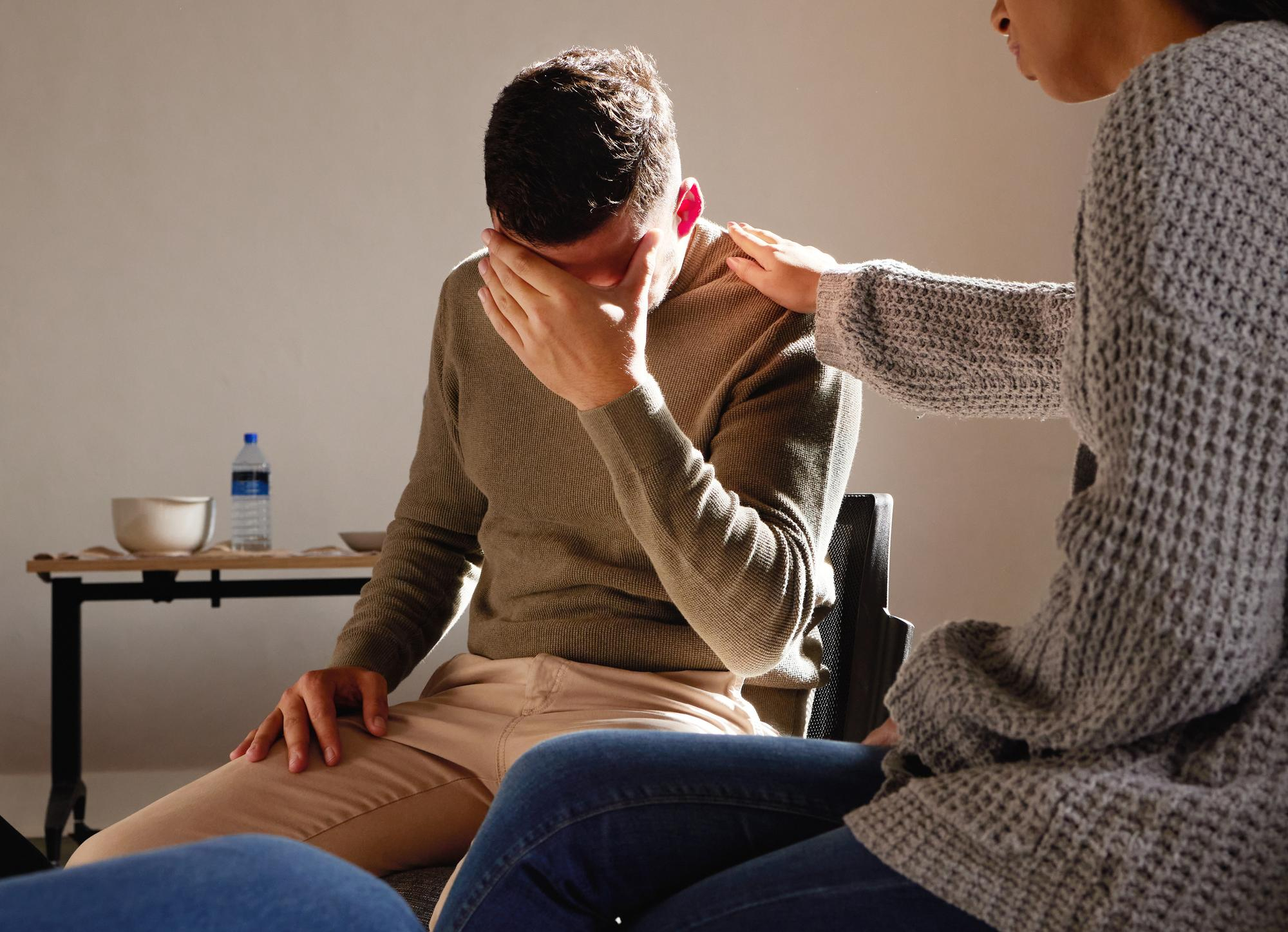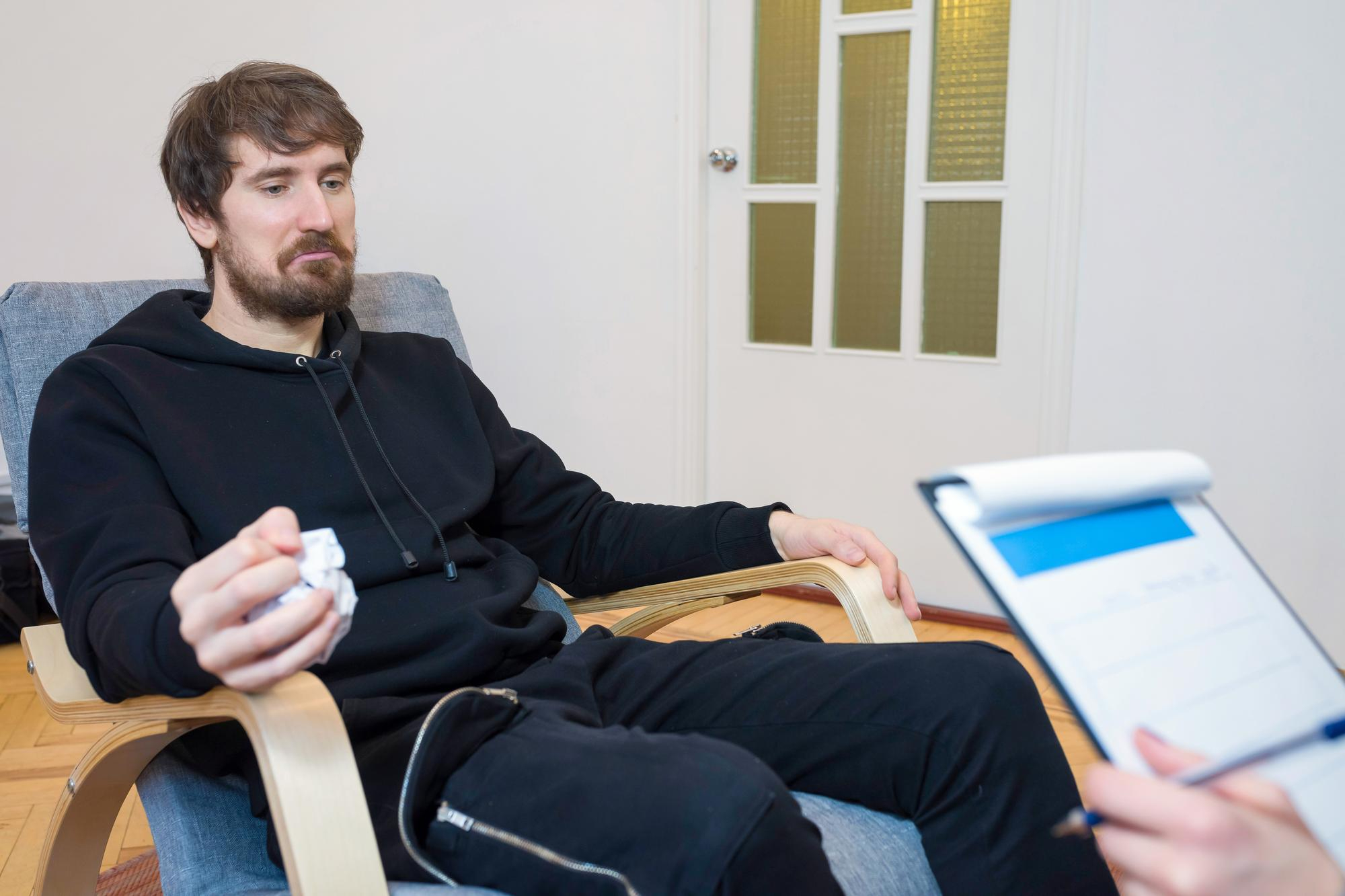
Medically assisted detox is detox with doctors and nurses involved from the start. Instead of asking someone to get through alcohol, opioid, or benzodiazepine withdrawal on their own, the care team can use approved medications to ease symptoms and watch for problems. That support matters because withdrawal can be more than uncomfortable; it can become risky without proper monitoring.
At Niagara Recovery in Newfane, medically assisted detox is handled with 24/7 clinical oversight in an OASAS-licensed facility. Patients using trusted Newfane rehab services are monitored closely, and the plan is based on what substance they are coming off, how severe the symptoms are, and what their health looks like. The goal is to help the body stabilize safely before moving into the next stage of treatment.
What Medically Assisted Detox Actually Involves
Medically assisted detox combines two things: medical supervision and medication. The supervision means nursing staff and physicians are present around the clock to monitor vital signs, track withdrawal progression, and respond to any complications. The medication component uses FDA-approved drugs to reduce the severity of withdrawal symptoms, control cravings, and keep the client physically stable.
This is not a passive process. The clinical team is actively managing the client's condition from the moment they arrive. Medications are adjusted based on how the client responds. Monitoring is continuous, not periodic.
What Medications Are Used in Medically Assisted Detox
The specific medications depend on the substance involved. For opioid dependence, we use Suboxone, Buprenorphine, Sublocade, and Vivitrol. Suboxone and Buprenorphine are partial opioid agonists that reduce cravings and withdrawal symptoms without producing the full effect of opioids. Sublocade is an extended-release injectable form given once monthly.
Vivitrol is a monthly injection that blocks opioid effects entirely and is used after the acute withdrawal phase is complete.
For alcohol detox, the protocol uses a tapering approach. Physicians administer decreasing doses of medication over the course of detox to prevent seizures and manage symptoms. Benzodiazepine detox uses a similar physician-supervised taper. All medications are prescribed and managed by our medical team.
Why Medical Supervision Changes the Outcome
Attempting to detox without medical support produces a high failure rate, and the reasons are clinical, not motivational. Withdrawal symptoms from opioids, alcohol, and benzodiazepines are severe enough that most people cannot sustain abstinence without physical support. The body reacts to the absence of the substance with symptoms that feel unmanageable, and relapse provides immediate relief.
With medical supervision and MAT, those symptoms are controlled. The client is physically supported through the hardest part of the process, which means they can make it to the other side and begin the treatment work that follows. Detox is the foundation. It stabilizes the body so that rehabilitation can actually start.
Who Needs Medically Assisted Detox
Medically assisted detox is recommended for anyone who is physically dependent on alcohol, opioids, or benzodiazepines. Physical dependence means the body has adjusted to the presence of the substance and produces withdrawal symptoms when it is removed.
Signs that medical detox is needed include: morning shakes or tremors with alcohol use, withdrawal symptoms appearing within hours of the last dose, prior failed attempts to quit without medical support, or a history of seizures during withdrawal. If there is any doubt about whether medical detox is required, the safest course is to call and speak with a clinical intake team directly.
What Comes After Medically Assisted Detox
Detox addresses the physical dependence. It does not treat the addiction. After detox is complete, the next step is residential rehabilitation, where the behavioral, psychological, and social dimensions of substance use disorder are addressed through individual counseling, group therapy, and evidence-based therapeutic models.
At our facility, clients move directly from detox into the 28-day residential program. We hold separate OASAS licenses for both levels of care, which means there is no transfer, no gap, and no disruption to the clinical relationship built during detox.
Frequently Asked Questions
Is medically assisted detox the same thing as rehab? No. Detox clears substances from the body and manages withdrawal. Rehab is a structured treatment program that follows. Both are necessary, and at our facility, clients can complete both without leaving or changing care teams.
Is MAT only for opioids? No. Medication-assisted approaches are used for alcohol and benzodiazepine detox as well, though the specific medications and protocols differ by substance.
How quickly can I start medically assisted detox? Same-day admissions are available. Reach out to our intake team to confirm current availability and begin the process.
Does insurance cover medically assisted detox in New York? Most New York Medicaid plans cover inpatient detox at OASAS-licensed facilities. A dedicated staff member at our facility handles insurance verification so you do not have to work through that process alone.
Contact Us
If you or a loved one is seeking compassionate and professional addiction treatment, Niagara Recovery is here to help. Reach out to us to begin the journey toward recovery.
Facility Address: 2600 William St, Newfane, NY 14108
- Intake Phone: (716) 203-8000
- Facility Phone: (716) 265-3700
Email: admissions@niagararecovery.com
Office Hours: Monday–Sunday: 24 hours
Related Topics: