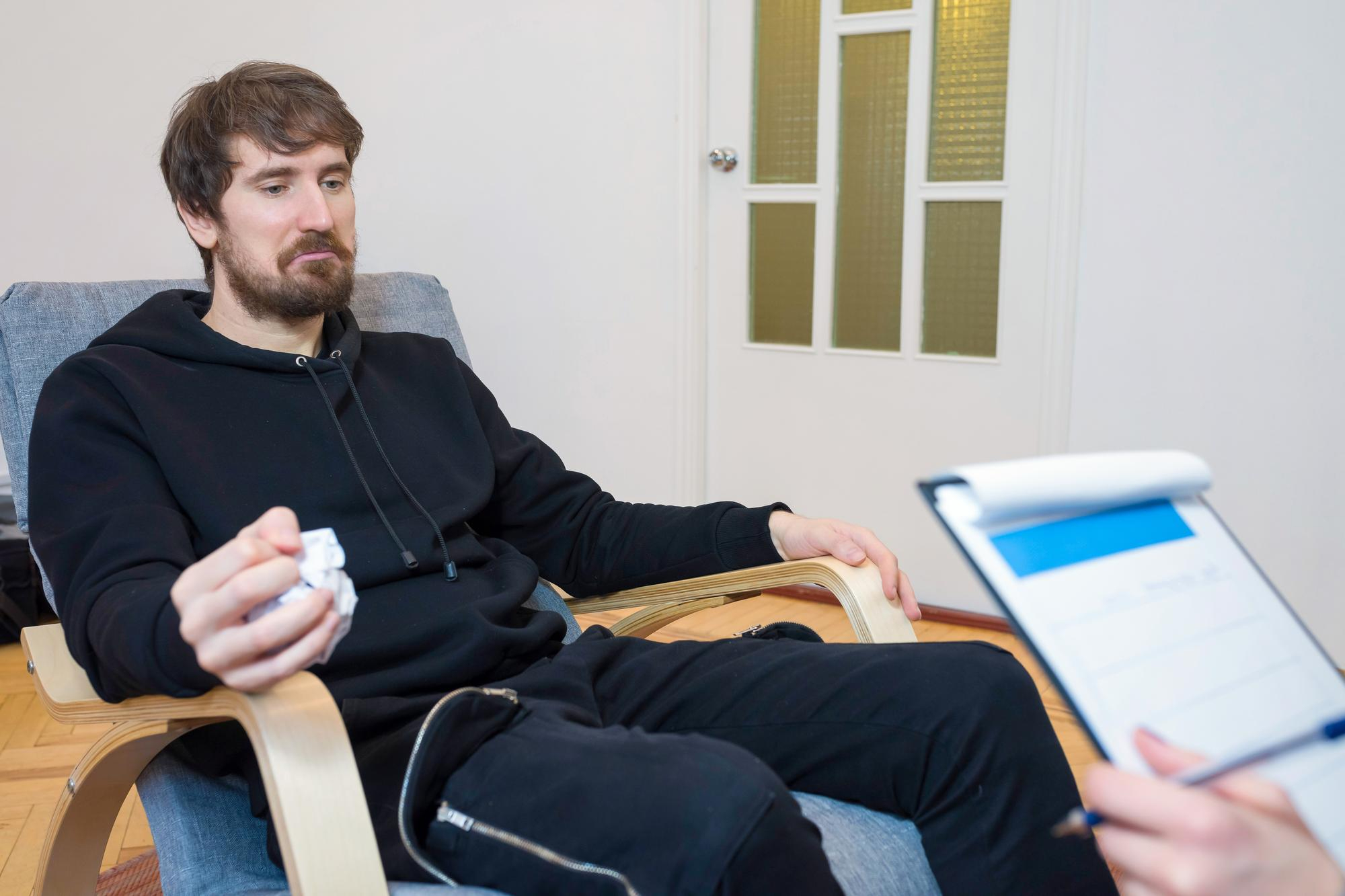
When someone in your life enters inpatient rehab, the relief that they are finally in a safe place can sit alongside a set of practical questions nobody prepares you for.
What is happening in there? What are you supposed to say when you talk to them? Should you visit? How do you help without making things more difficult?
These are not small questions. The way family members engage during someone's treatment and in the period after discharge has a real effect on outcomes. That is something we see firsthand at our trusted rehab center in Newfane, where families who stay involved, in the right ways, make a noticeable difference in how their loved one moves through recovery.
This piece covers what families in Western New York should understand about the treatment process, how to be present without adding pressure, and how to take care of your own mental health through all of it.
What Your Loved One Is Actually Going Through During Treatment
Having an accurate picture of what the person in treatment is experiencing is the starting point for being genuinely useful to them. The first days are likely to include:
- Physical withdrawal symptoms
- Fatigue and sleep disruption
- Significant adjustment to a new environment and a highly structured daily schedule
The clinical team at our Newfane facility manages the medical side of that process, but emotionally, the person in treatment is doing something genuinely demanding. They are not resting. They are working, and in the earliest phase of detox especially, it is hard work.
Once the detox phase is complete and the residential program gets underway, the daily structure includes:
- Individual counseling
- Group therapy every day of the week
- Evidence-based therapeutic programming
DBT (Dialectical Behavioral Therapy) is used throughout the residential program to help clients identify the thinking and behavioral patterns tied to their substance use and develop more functional responses.
A psychiatric evaluation takes place within the first 24 hours of admission to identify any co-occurring mental health conditions and shape the treatment plan accordingly. When families understand that their loved one is actively engaged in demanding clinical work rather than waiting out a clock, it changes what outside support looks like and what it is for.
How to Have Conversations That Help Rather Than Add Pressure
Families who want to be supportive often default to expressing worry, asking about plans for after discharge, or conveying expectations about how quickly the person should be progressing.
These conversations come from a place of genuine care, but during the early stages of treatment, they tend to add weight to someone who is already in a physically and emotionally demanding process. The most helpful conversations during inpatient treatment are the ones that communicate steady care without loading on expectations the person cannot yet meet.
Consistency matters more than intensity. Knowing that a call or a message will arrive reliably, at a predictable time, is more stabilizing than a sudden flood of contact followed by silence.
You do not need to say the perfect thing. What matters is showing up without conditions. Starting with "I'm glad you're there" and not needing anything more from the conversation in return is often the most genuinely supportive thing a family member can offer during this period.
Our clinical team handles the therapeutic work. Your role is to be a consistent, pressure-free presence.
What You Can Do on Your End While Treatment Is Happening

Research consistently shows that family involvement supports recovery in ways that clinical work alone cannot replicate. The time while someone is in inpatient treatment is a window families can use practically.
If conditions at home contributed to the substance use, whether that is another household member who is actively using, a pattern of conflict or instability, or simply an environment that made using easy, this is the time to address those things as directly as possible.
A person who completes a residential program and returns to an unchanged home environment is working against themselves from the first day of discharge.
Most families carry the expectation that 28 days of treatment means the problem is solved. It does not, and having a more grounded understanding of what recovery actually requires changes how you engage in the months that follow.
Our clinical team and the discharge planning process are resources for families who want to understand what they are preparing for. The aftercare plan that each client leaves with is something families are part of, not something separate from them.
Learning alongside your loved one's treatment, rather than waiting for it to be over, puts you in a much better position when they come home.
Taking Care of Yourself Is Part of Supporting Them
Families often experience a significant amount themselves by the time a loved one enters inpatient rehab. The stress, the fear, the disrupted sleep, and managing someone else's crisis over weeks or months take a toll that doesn't disappear when the person is admitted.
There can be an expectation that the pressure lifts once your loved one is safely in treatment, and that the waiting period is simply a matter of getting through the days until they come home. In reality, this period reveals much of what you pushed aside during the acute phase.
You cannot be a steady presence for someone coming out of treatment if you have run yourself into the ground waiting for them to come home. Taking care of your mental and emotional health during this time is part of being the person they need when they return.
Support groups for families of people in recovery exist specifically for this period and give you a space to process what the experience has been like without placing that weight on the person who is in treatment. Keeping your commitments, maintaining your sleep, and talking to someone you trust are not luxuries. They maintain your capacity to show up for the next stage.
Preparing for What Happens After Discharge
Discharge from inpatient rehab is not the finish line, and treating it as such sets you up for difficulty in the weeks that follow. The person who comes home after a residential program is in early recovery. They are not the fully restored version of who they were before substance use changed things.
The discharge plan that our clinical team builds with each client before they leave includes:
- Aftercare referrals
- Relapse prevention strategies
- A structure for the immediate weeks following discharge
Families who understand that plan and align themselves with it are in a significantly stronger position to support the transition. This means:
- Knowing what outpatient appointments are scheduled in the first weeks after discharge
- Understanding what the relapse prevention plan involves
- Having an honest conversation about what the home environment your loved one is returning to actually looks like
If things have genuinely changed at home, that matters. If they have not, it is also important to be realistic, and it is better to address it before discharge than after.
The recovery process continues well after the residential stay ends. What happens in the weeks following discharge is one of the strongest predictors of whether the work done during treatment holds over time.
Related Topics: