One of the most common things people want to know before entering treatment is what a day actually looks like inside a residential program. That uncertainty is understandable, honestly. Most people have never been in an inpatient setting before, and walking into something unfamiliar makes the decision harder than it needs to be.
What's worth knowing upfront is that the structure itself is a deliberate part of recovery, not just a schedule for the sake of having one. A day built around consistent routines, therapeutic work, and appropriate rest gives the body and mind a real chance to stabilize.
At our facility in Newfane, an expert rehabilitation center, the daily schedule is designed to keep treatment at the center while still being sustainable across 28 days. Here's an honest look at how a typical day actually unfolds, start to finish.
Morning: Structure Starts at Breakfast
The day begins at a consistent wake-up time, and three nutritious meals are provided each day. Starting the morning with a real meal might seem like a minor detail, but it's really not.
Many people arrive at treatment nutritionally depleted after periods of heavy substance use, and regular meals are a genuine part of the physical stabilization the early weeks of recovery require, the kind of groundwork that also matters during drug detox services.
Past clients have specifically called out the quality of food at our facility in their own words, which reflects a deliberate commitment to the basics of physical care.
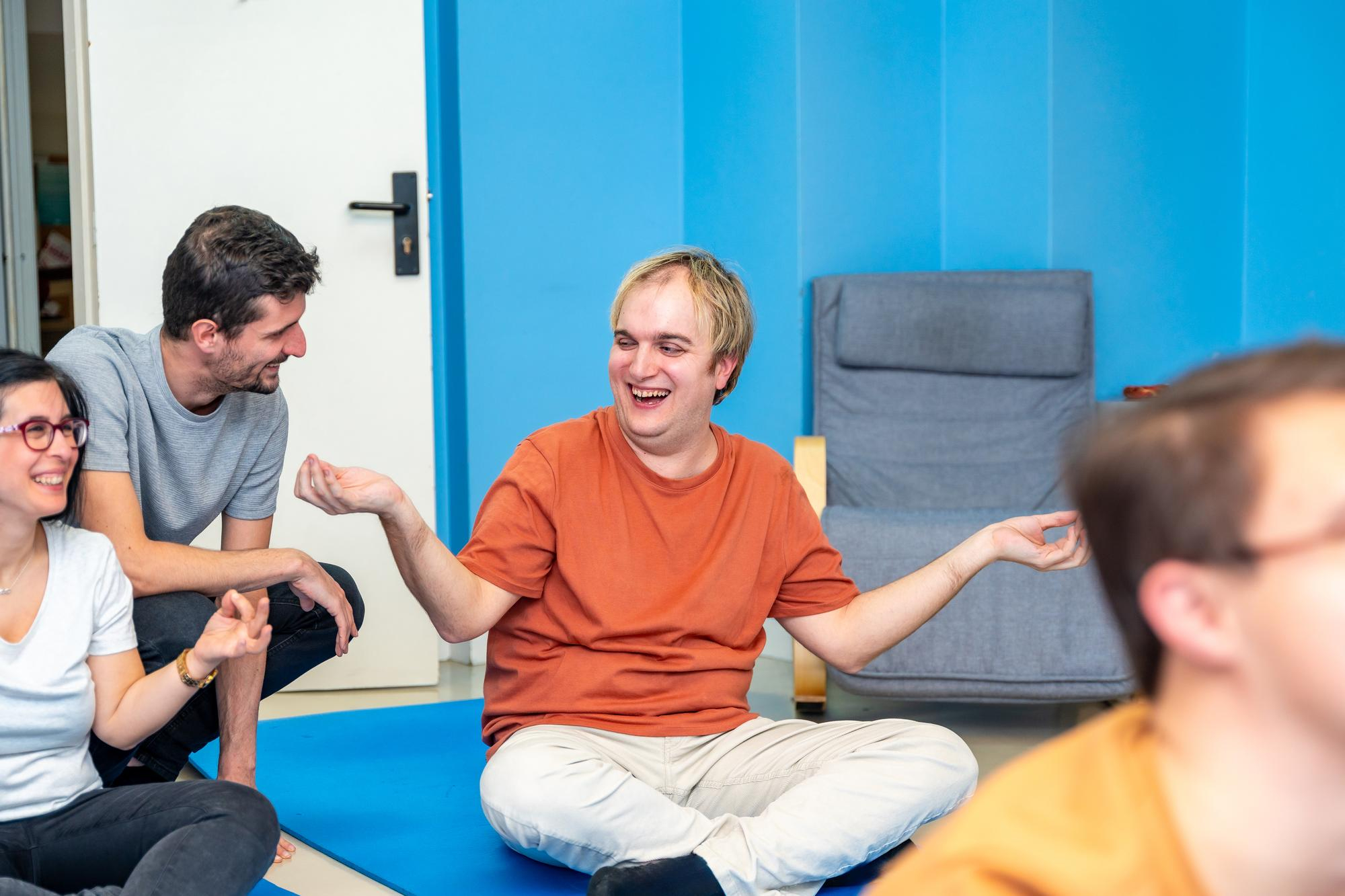
After breakfast, morning groups begin. Group therapy sessions run seven days a week at Niagara Recovery, and the morning sessions often focus on checking in, processing what came up overnight, and orienting toward the day ahead.
These aren't lectures, not even close. They're structured conversations where people in similar situations get to speak openly and hear from others going through the same early stages of recovery.
Individual Counseling: One Hour, Every Day
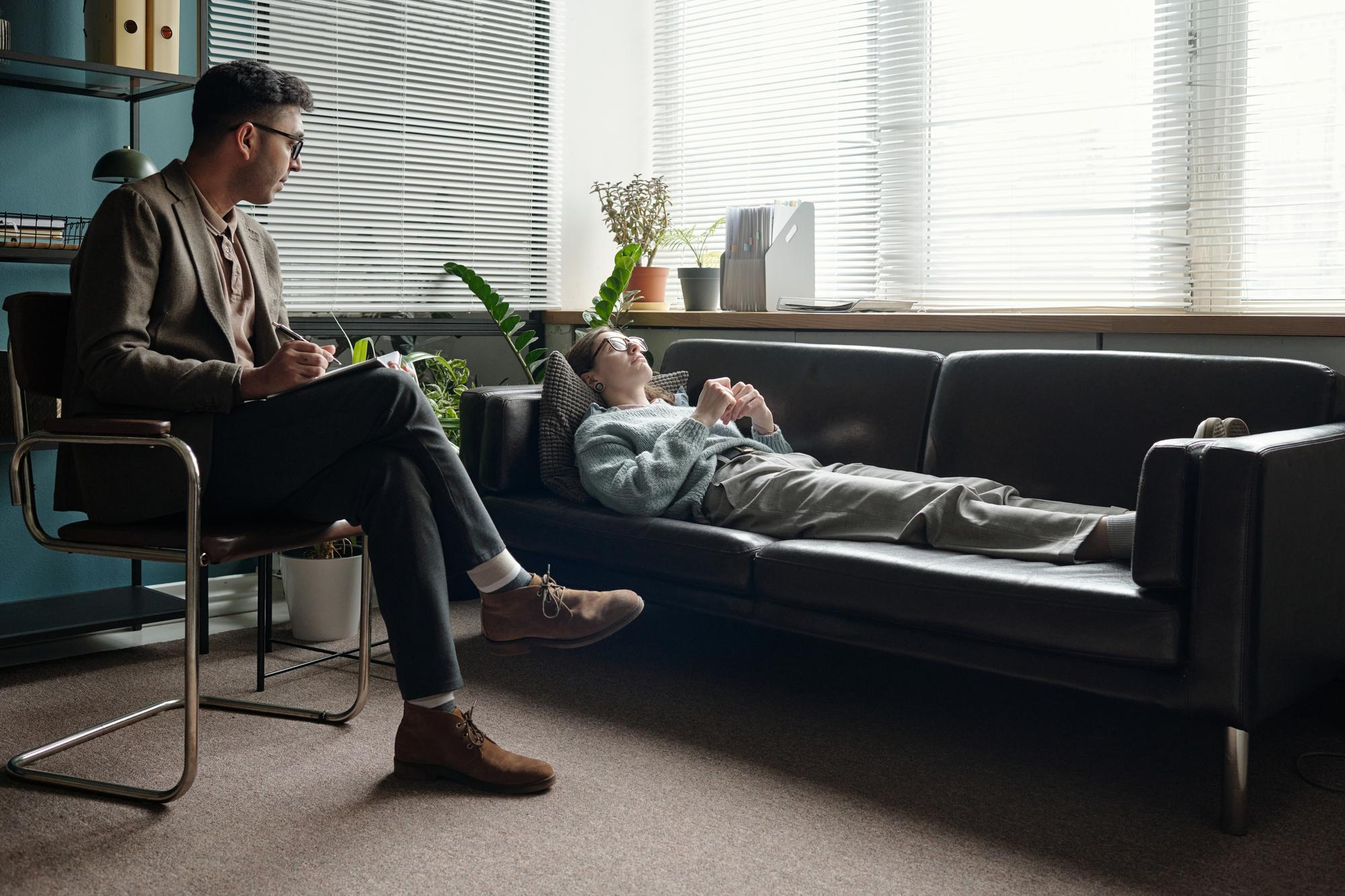
Each client in our residential program receives one hour of individual counseling daily. This is one of the things that sets our program apart from a lot of other residential facilities, where individual sessions might be weekly or even less frequent, and it's part of what makes a structured environment for recovery actually mean something day to day.
The one-on-one counseling session is where the more specific work of recovery happens. Group therapy addresses shared dynamics and builds communication and coping skills in a social context. The individual session, though, is where a person can talk about the details of their history, their triggers, and their patterns.
Over the course of the 28-day program, those daily sessions build a clear picture of what's driving each person's substance use and what strategies are most likely to support their recovery after discharge.
Afternoon Therapy and Evidence-Based Programming
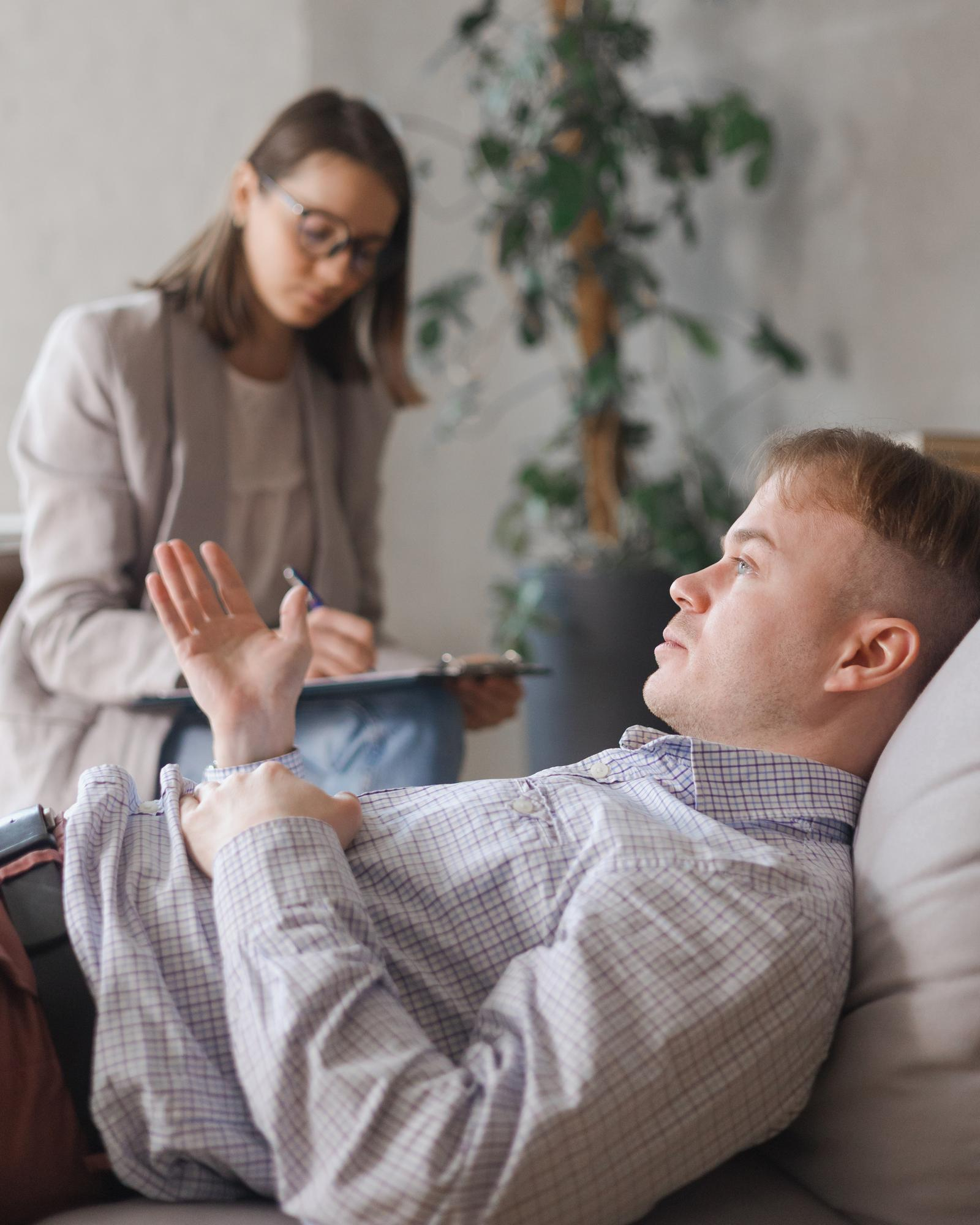
Afternoon hours include structured therapeutic programming using models studied and validated for addiction treatment, with medical professionals involved from the start.
Dialectical Behavioral Therapy, or DBT, is one of the primary frameworks used in our residential program. DBT helps people identify the thought patterns that lead to self-destructive behavior and build practical skills for managing difficult emotions and high-pressure situations.
For clients who've experienced trauma alongside substance use disorder, Seeking Safety is also worked into their programming. Seeking Safety is designed specifically for people managing both PTSD and substance use at the same time.
Rather than requiring someone to revisit traumatic memories before they're stable enough to process them safely, the model focuses on building safety in present-day life. That means safe relationships, safe behaviors, and a clearer sense of what recovery actually looks like in concrete terms.
Noticed cravings hitting hardest in the evenings, or just not sure what kind of program fits? Give us a call at (716) 203-8000, and we'll walk you through it.
Downtime, Outdoor Space, and Physical Recovery
Not every hour is scheduled programming, and that's on purpose. Time for rest and physical movement is built into the daily structure deliberately.
Our facility includes outdoor recreational space and a recreation room where clients can use their downtime between sessions. For a lot of people arriving in early recovery, having quiet time in a calm environment is therapeutic in its own right, regardless of what specifically happens during that time.
The balance between programming and unstructured time is a considered part of the program design. A schedule that runs without breaks from morning through evening wouldn't support the recovery process. The body and nervous system need periods of lower stimulation as part of healing. The rhythm of the day is built to support that, alongside the structured therapeutic work.
Evening Groups and Winding Down
Evening programming typically includes another group session. The focus in the evening often shifts toward reflection, processing what came up during the day, and practicing the relapse prevention skills that will carry clients beyond the residential stay.
Our team understands that evening hours can be a harder time for people in early recovery, when cravings and difficult feelings tend to surface. The evening group creates a structured space to work through what's coming up before the night settles in.
After the evening session, there's time for personal routines before the day wraps up. Laundry service is available at our facility, and clients have time to tend to personal needs. That regularity, as basic as it sounds, is part of what helps the brain and body begin to recalibrate during the first weeks of recovery.
How the Structure of the Day Serves Recovery
The schedule at our facility isn't just a logistical framework for organizing 28 days of programming. Structure itself is a therapeutic tool, maybe one of the more underrated ones. Active addiction tends to strip away all routine from a person's life.
Sleep, meals, physical activity, and social connection all become secondary to substance use over time, and that shift happens more gradually than people expect. One of the most consistent features of early recovery is how disorienting the absence of that structure can feel.
The daily schedule reintroduces predictability in a gradual, manageable way. Knowing what the next few hours look like, having a consistent meal time and a regular bedtime, and building the habit of attending sessions every day creates a foundation that clients can carry with them after discharge.
The goal isn't to replicate the residential structure exactly in life outside the facility. It's to rebuild the capacity for routine that long-term recovery actually requires.
Frequently Asked Questions
Is there any flexibility in the daily schedule?
The core programming, including individual counseling and group therapy, follows a consistent schedule seven days a week. There's unstructured time built into the day for rest and personal activities.
What happens if I have trouble in group therapy?
The counseling team addresses this during individual sessions. Group therapy discomfort is pretty common in early recovery, and our clinical staff is experienced in helping clients work through it.
Can I communicate with family during my stay?
Communication policies follow clinical guidelines. Contact our intake team directly for current information on family communication during treatment.
What if I need mental health support alongside addiction treatment?
Every client receives a full psychiatric evaluation within the first 24 hours of admission. Co-occurring conditions are built into the treatment plan from the start and addressed alongside addiction throughout the program.
Is the program structured differently for someone still in detox versus someone in residential rehab?
Yes. Clients in the medical detox phase have a different daily experience than those in the residential program, with more clinical monitoring and less structured group programming. Once detox is complete, clients move into the full residential schedule.
Ready to Begin?
If you want to know more about what the first day looks like, or you're ready to start the admissions process, our team is available now. Same-day admissions are available, and we're open 24 hours a day, every day.
Call: (716) 203-8000
Email: admissions@niagararecovery.com
Address: 2600 William St, Newfane, NY 14108
Related Topics: