Nobody uses for no reason. The substance was doing a job, usually managing something the person had no other way to manage. Take it away without replacing the function, and people end up back where they started.
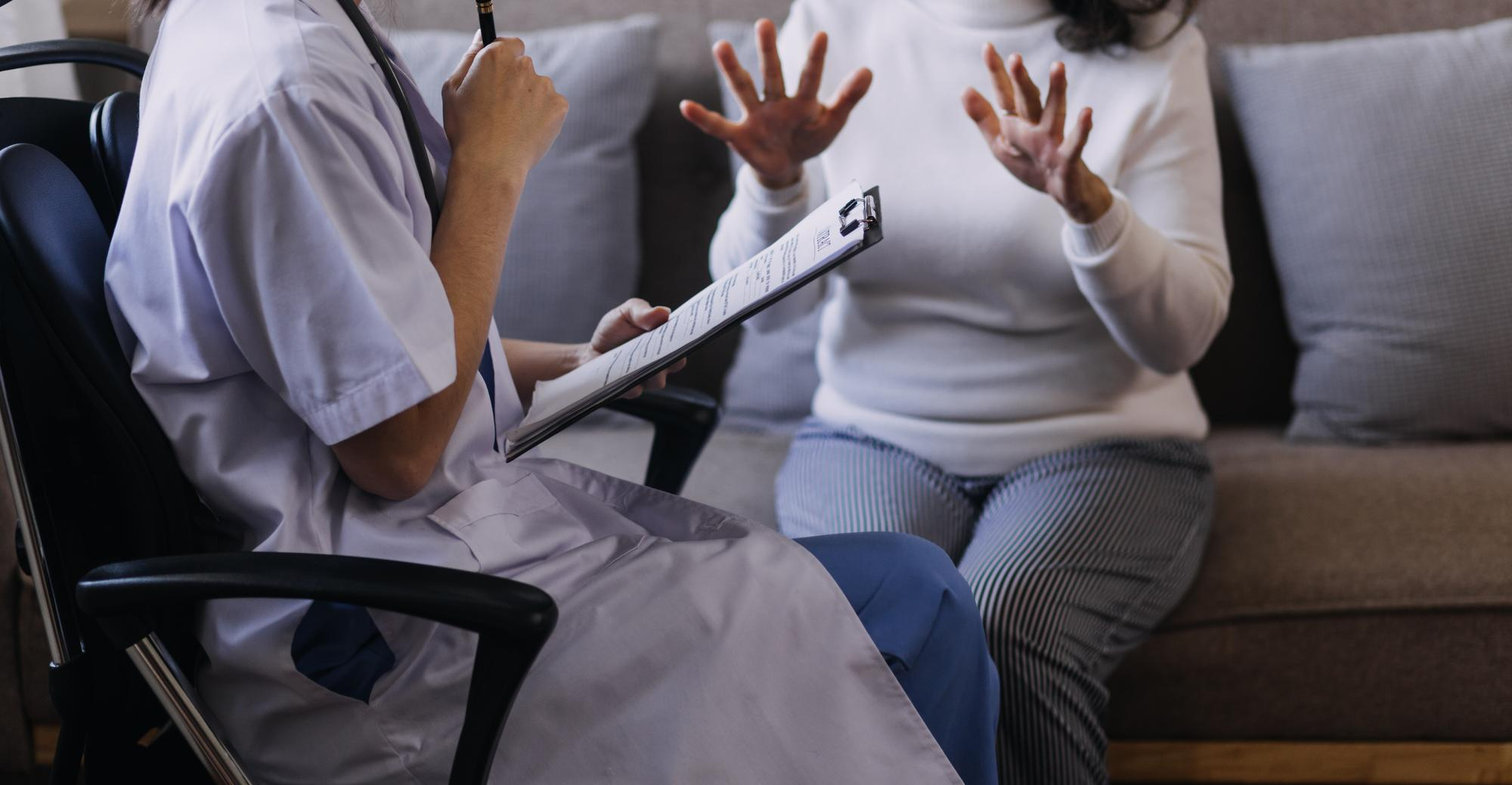
Our top rehab center in Newfane, NY runs individual counseling an hour a day and group therapy seven days a week, and much of that time goes on building the replacement rather than just discussing the problem.
The Substance Was Already Doing a Job
Ask most clients what the drinking or the pills were for, and the answer is pretty specific. Getting to sleep. Getting through a shift. Going to a family gathering without the anxiety taking over, or just sitting still in the evening without the thoughts arriving. These are coping functions, and they worked in the short term, which is exactly why the habit stuck.
Treatment that only addresses the chemistry leaves the function uncovered. Someone discharged with a clean system and no new way of getting to sleep faces the same nightly problem with one fewer tool. A lot of relapses get described afterward as a loss of motivation, but really an unsolved problem came back, and the only known solution was the old one.
Benzodiazepines are a good example, since the prescription was often written for anxiety or insomnia to begin with. That's why benzodiazepine detoxification services here run on a physician-supervised taper, with counseling alongside it to build something that handles what the medication was handling. A taper without that replacement is only half a plan.
The Skills That Replace It, and Where They Come From
We use dialectical behavior therapy as the main vehicle, because it was designed for this. DBT targets negative thinking patterns and builds specific capacities, like tolerating distress without acting on it, regulating emotion, or handling a difficult conversation without it becoming a reason to use. These get taught as skills with steps, not attitudes to adopt.
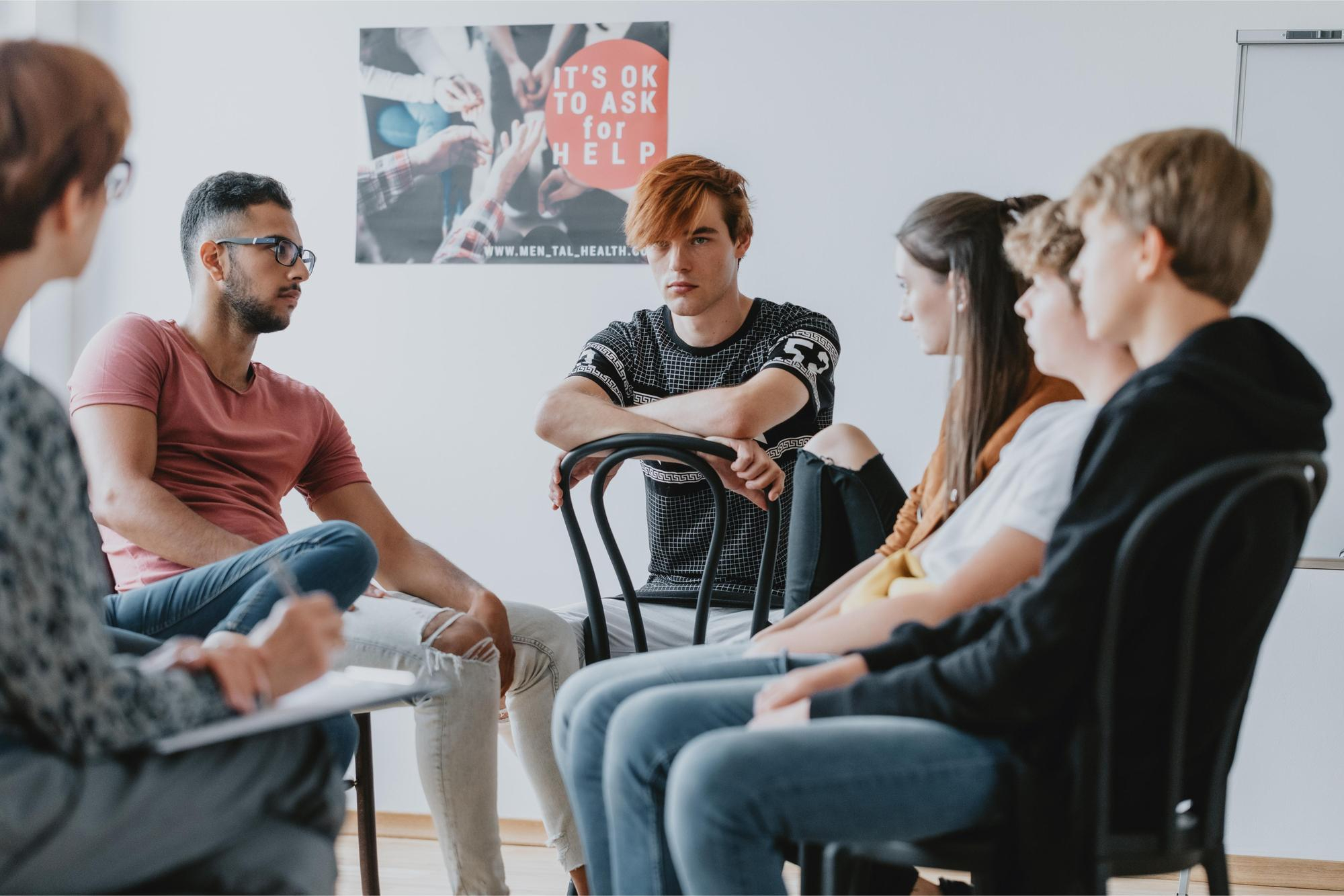
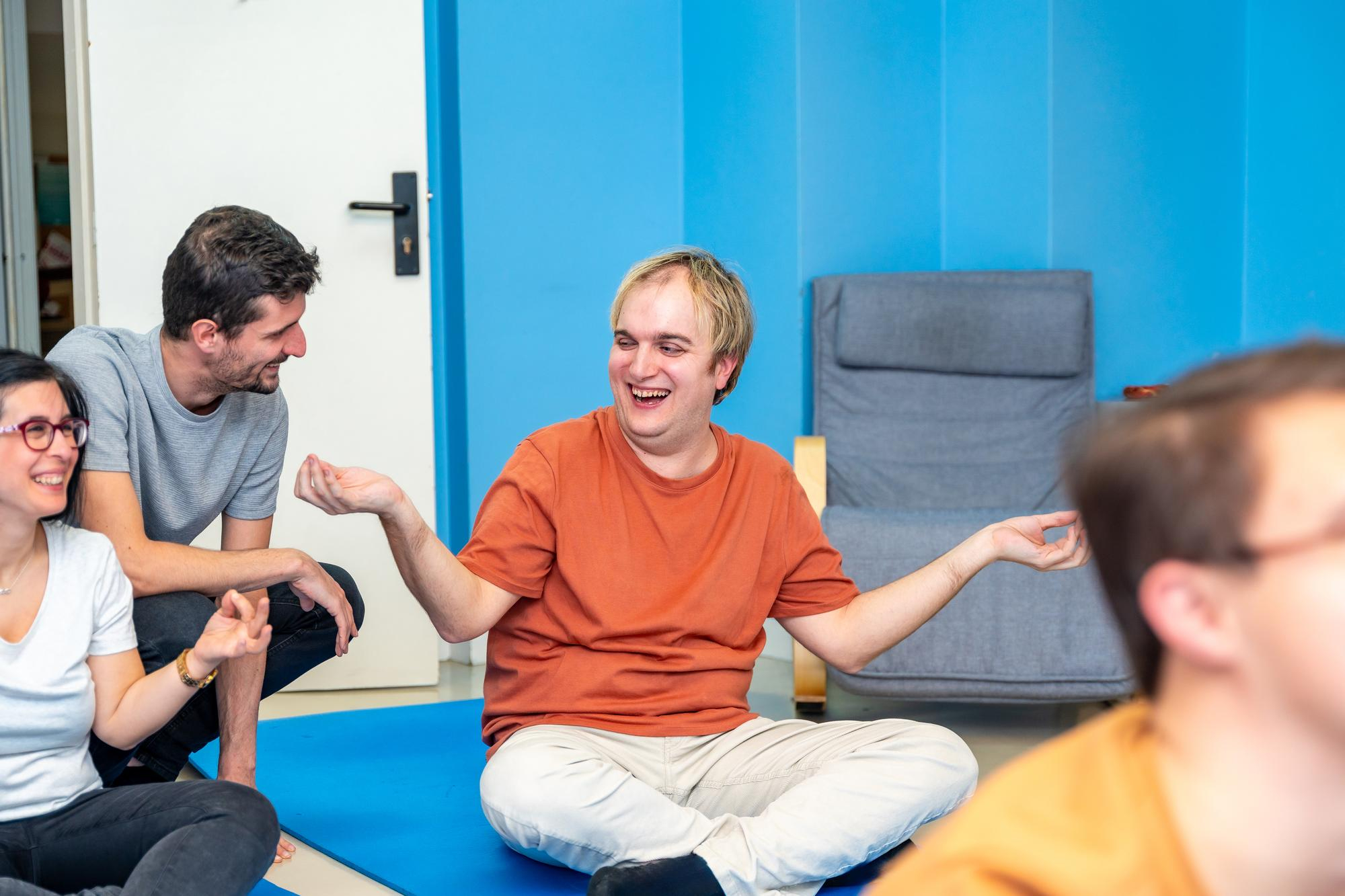
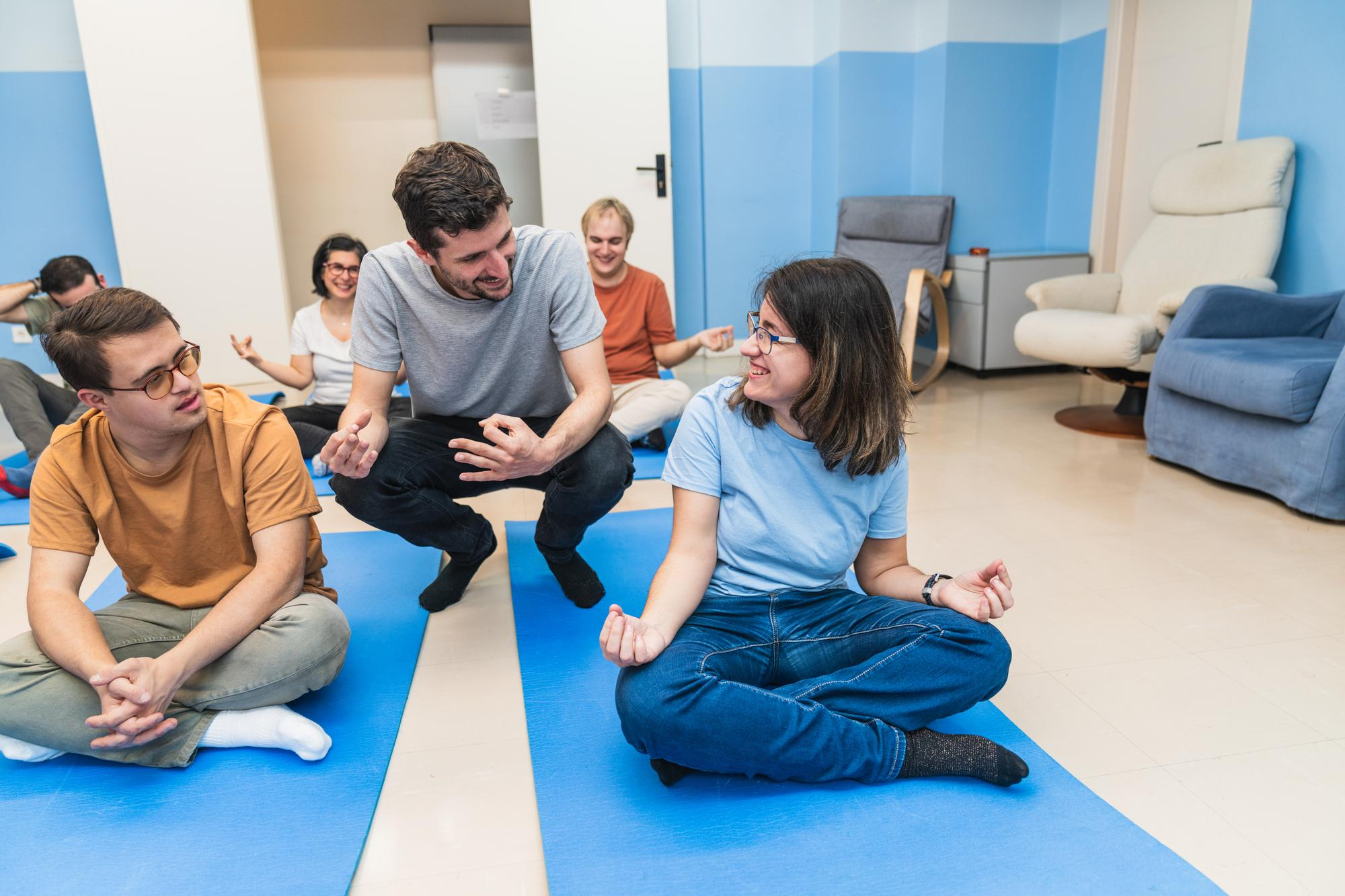
Group counseling does a different half of the work. A skill rehearsed in a room with other people, under mild social pressure, transfers better than one discussed privately.
Clients also watch each other try things and fail at them, which normalizes the awkward stage where most people quit. That practice-heavy approach is how behavioral therapies for drug addiction tend to work in clinical settings.
How a Coping Skill Actually Gets Built

Skills do not arrive fully formed from a handout. The process is deliberate and takes the length of the program, which is one argument for residential treatment over a weekly appointment.
The sequence our counselors work through with each client:
- Identify the specific situation the substance was handling, in concrete terms rather than general ones
- Name what the substance provided in that moment, whether sedation, confidence, or distraction
- Choose a replacement that provides something comparable, since a weak substitute will not survive a real craving
- Practice it inside the facility, where the stakes are low, and someone is watching
- Rehearse it against the hardest realistic version of the trigger before discharge
Step three is where most self-directed attempts come apart. A person who drank to fall asleep will not be convinced by a suggestion to try herbal tea, and offering it damages credibility for everything after.
The replacement has to be proportionate to the problem. Sometimes the honest answer is a skill, a medication, and a change in circumstances together, rather than a skill alone.
Not sure whether inpatient is the right fit for you? Give us a call at (716) 203-8000, and we'll talk through what a residential day in Newfane actually looks like.
When the Thing Being Coped With Is Trauma
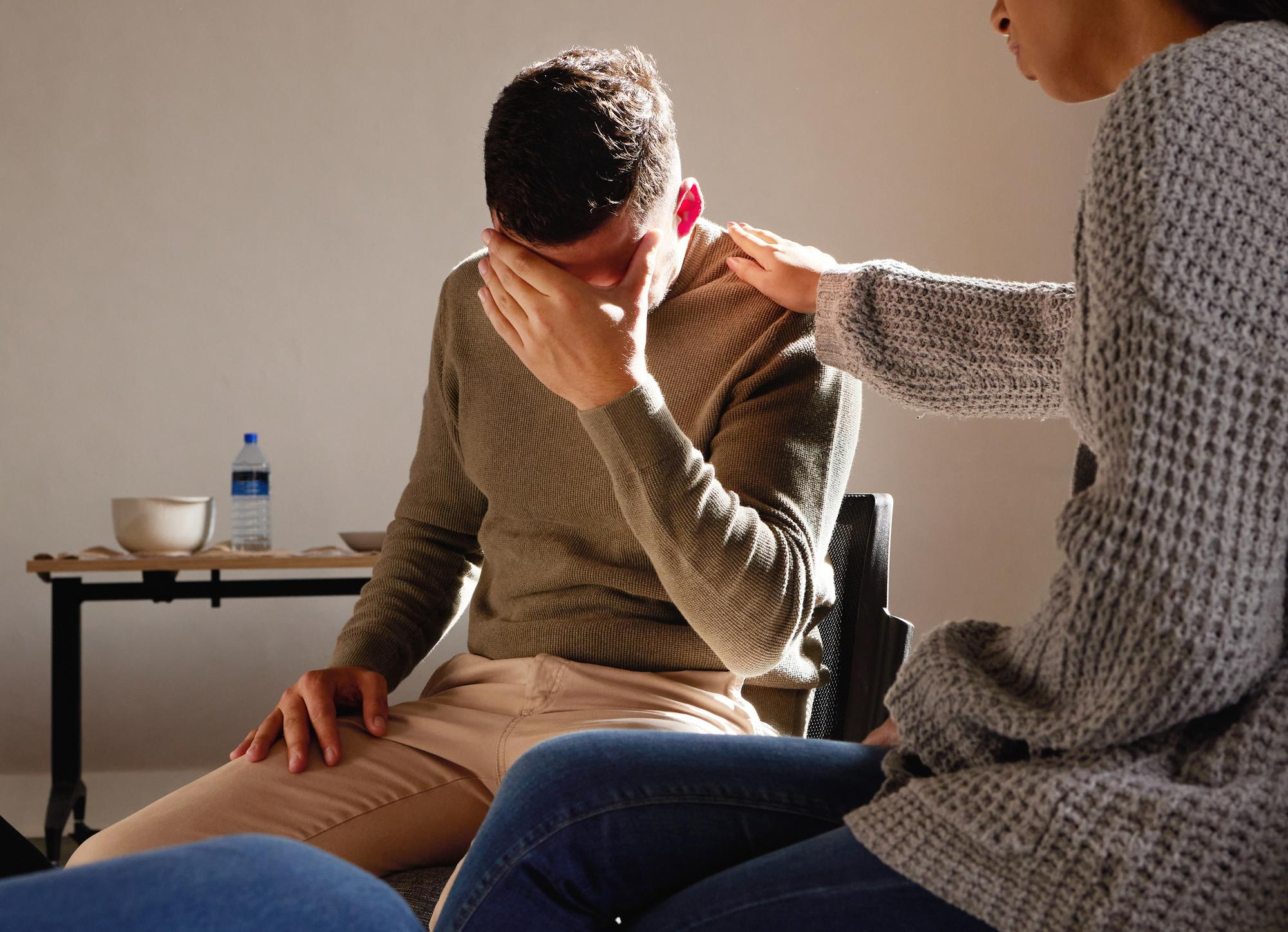
A significant share of clients were not managing ordinary stress. They were managing the aftermath of something, and the substance held it at a distance. For those clients, standard coping work can backfire, since removing that distance with nothing in place leaves the trauma fully present in a body already unstable from withdrawal.
We use Seeking Safety for this, a trauma-informed model built for people carrying PTSD alongside substance use. It deliberately does not bring up trauma early. The focus stays on present safety, across relationships, behavior, and the physical environment, because that has to hold before anything deeper is attempted.
The psychiatric evaluation every client gets within 24 hours flags trauma history at the start, which is where trauma-informed care in inpatient rehab really shapes the program.
Testing the Skills Before You Need Them
A coping strategy used only inside a facility has not really been tested. Discharge planning works through the specific circumstances each client is returning to. For adults across Niagara County, NY, that ranges from a supportive household to a living situation with the trigger sitting right there. Counselors write the relapse prevention plan around those realities.
It names the highest-risk situations, the skill attached to each, and the fallback for the day a skill does not hold. The fallback is usually a person to call. Writing it down is not pessimism, you know. A plan that assumes every skill works right away collapses the moment one does not, usually in week three, usually over something small.
Have questions about starting treatment, or just want to talk through your options first? Contact us, and we'll help you figure out the right next step. You can also reach us at (716) 203-8000 or admissions@niagararecovery.com, or stop by 2600 William St, Newfane, NY 14108.
Related Topics: