Withdrawal is survivable for most people and genuinely dangerous for some, and the difficulty is that nobody can reliably tell in advance which group they belong to. Medical detox removes that gamble. Our 24/7 medically supervised drug detox at Niagara Recovery exists to catch the complications that turn an uncomfortable few days into a medical emergency, and to manage the risk that arrives after withdrawal ends rather than during it.
The Complications That Make Unsupervised Withdrawal Risky
Alcohol withdrawal carries the clearest danger. Heavy daily drinkers who stop abruptly can develop seizures, and delirium tremens is a life threatening condition requiring medical management. These are not rare outcomes in people with significant dependence, and they do not announce themselves in advance. Benzodiazepine withdrawal behaves similarly, which is why stopping those abruptly without supervision is medically unsafe.
Opioid withdrawal sits differently. It rarely kills directly, but the vomiting and diarrhea it produces can cause dehydration serious enough to need intervention, and the symptoms are severe enough that relapse becomes close to certain without support. Muscle cramps, insomnia, agitation, rapid heartbeat, and high blood pressure all run together for several days. A person trying to manage that alone at home has no medication to reduce it and no way to tell a bad night from a developing emergency.
What Round the Clock Clinical Monitoring Actually Catches
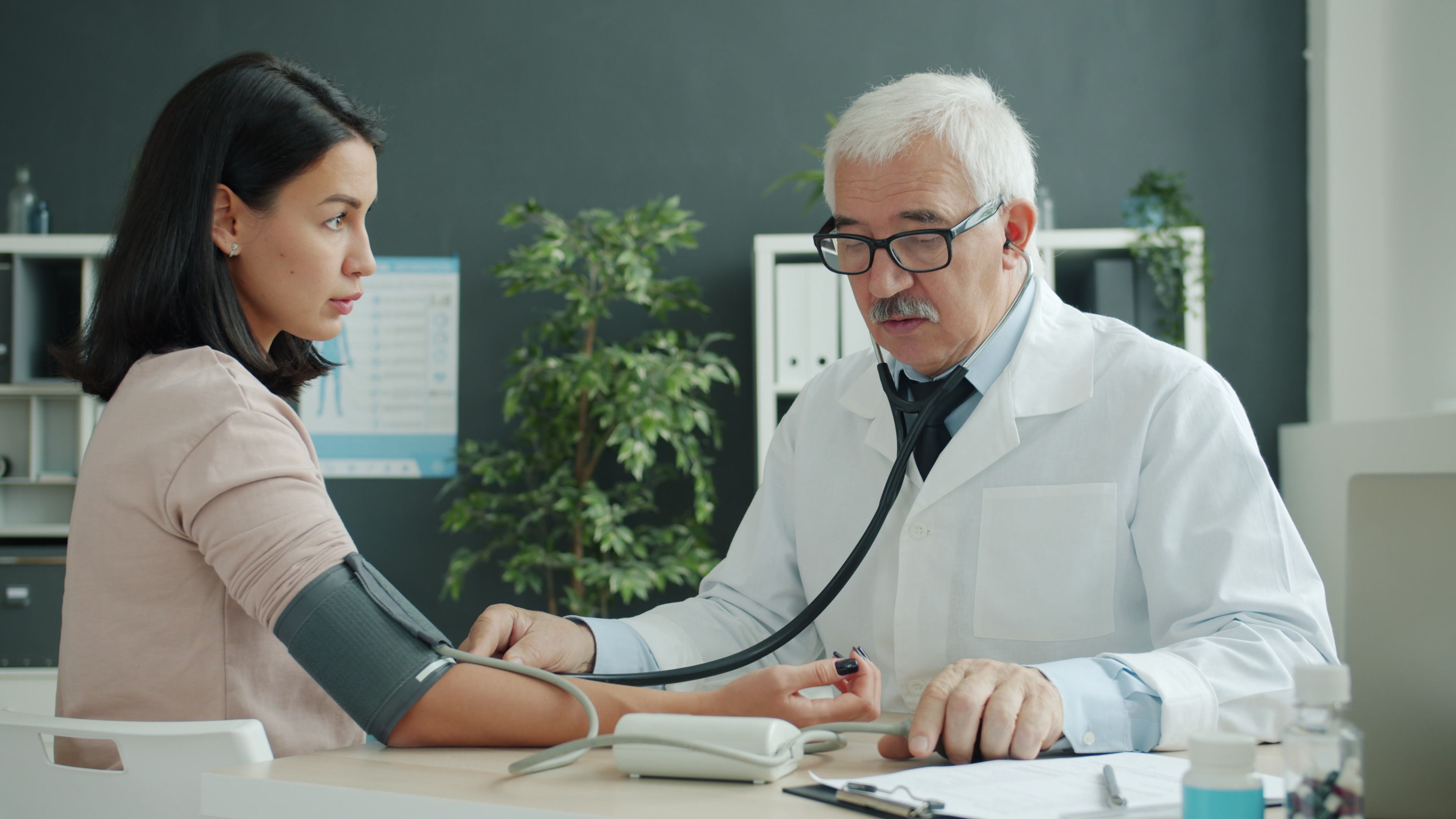
Continuous monitoring is the mechanism that converts those risks into managed events. Our clinical team checks vital signs on a regular schedule throughout detox, because blood pressure, heart rate, and temperature are where a complication shows itself before the person feels it. A rising heart rate and climbing blood pressure during alcohol withdrawal are the kind of early signal that changes a medication plan within the hour rather than after a seizure.
The monitoring also covers things no monitor reads. Nursing staff watch for confusion, tremor, hallucinations, and changes in orientation, since those are the markers that distinguish ordinary alcohol withdrawal from the beginning of delirium tremens. Kathleen Vogt, our Director of Nursing, brings more than 30 years of nursing experience to overseeing client medical care and clinical standards across the unit. Detail on how vital signs are monitored during withdrawal covers what that schedule looks like day to day.
Unsure whether withdrawal needs medical supervision in your case? Call (716) 203-8000, and our intake team can assess that over the phone, with same-day admission available pending clinical approval.
How Medication Reduces Both Severity and Risk
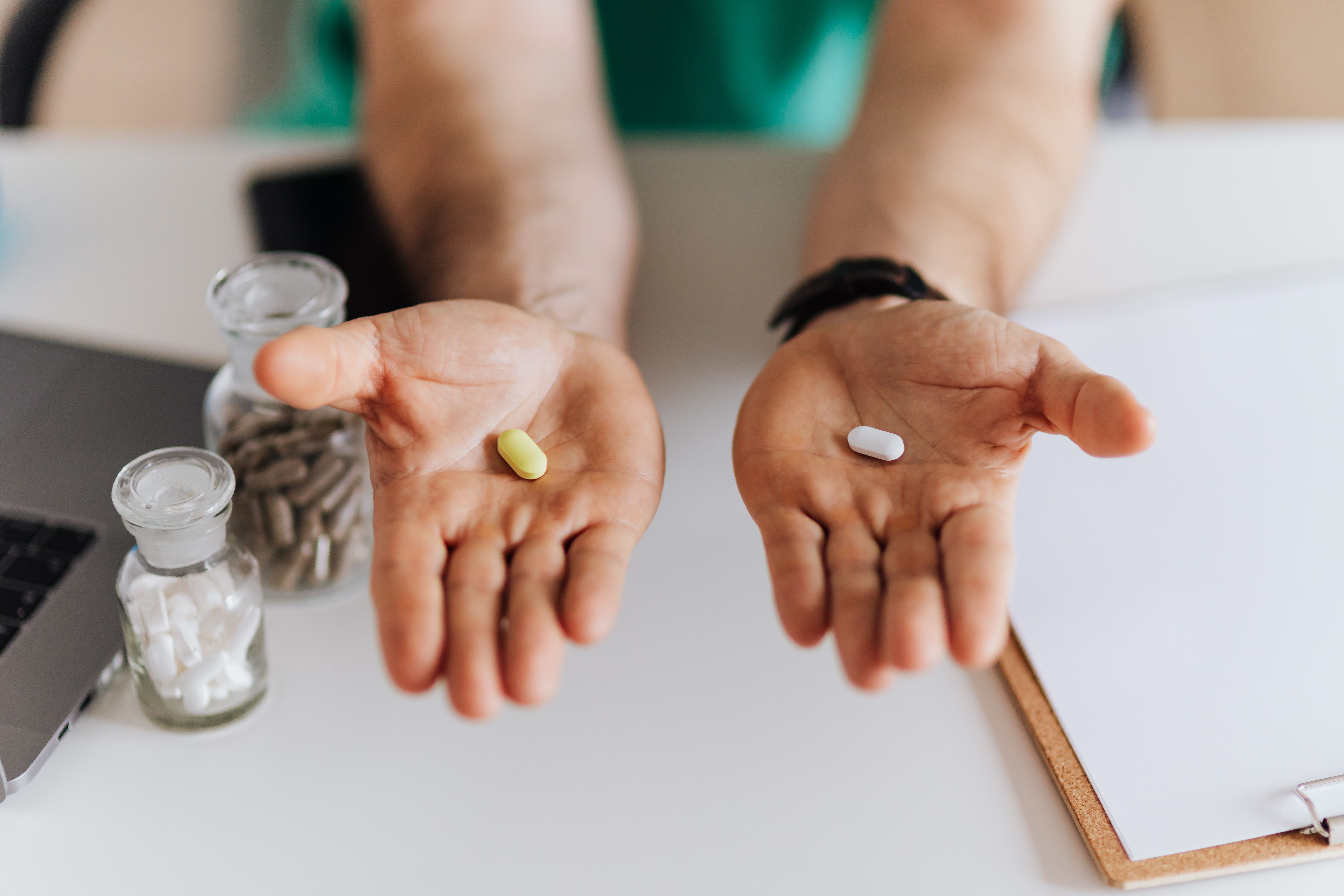
Medication does two jobs during detox. It reduces how bad withdrawal feels, which matters for keeping someone in treatment, and it prevents specific dangerous outcomes, which matters for keeping them alive. Our medical team uses different protocols depending on the substance.

- Alcohol: a tapering protocol with decreasing doses, managing symptoms while preventing seizures and delirium tremens
- Opioids: Suboxone or Buprenorphine to reduce withdrawal severity and cravings without producing opioid effects
- Benzodiazepines: a physician supervised taper that brings the dose down at a pace the body can absorb
- After acute withdrawal: Vivitrol to block opioid effects and reduce relapse risk, introduced only once detox is complete
Every one of these is prescribed and monitored by our medical team rather than self managed, and Dr. Harnath Clerk, our Medical Director, oversees the medication protocols. Decisions are made against the individual assessment rather than applied as a standard sequence. More on what medically assisted detox involves is worth reading before admission.
The Overdose Risk That Arrives After Withdrawal Ends
This is the risk people least expect, and it is the one that kills most often. Opioid tolerance drops sharply during even a few days of abstinence. Someone who relapses after detox at the dose they used before is taking an amount their body can no longer handle, and that is the mechanism behind a large share of fatal overdoses among people who have recently stopped using.
Medical detox addresses this in two ways. The first is environmental: during an inpatient stay, substances are not accessible, so the highest risk window passes inside a supervised setting rather than at home. The second is clinical continuity. Because we hold OASAS licenses for both withdrawal management and inpatient rehabilitation, clients move straight from detox into our 28 day residential program with the same team and no discharge in between. A detox only facility has to send someone home at exactly the moment their tolerance is lowest, which is the structural flaw in that model.
What Else Gets Caught During a Supervised Detox
Detox is often the first sustained medical contact someone has had in years, which makes it a useful point for finding things nobody was looking for. Our nursing assessment at admission covers medical history, current medications, and a urine sample identifying what is actually in the system, which sometimes differs from what a person believed they were taking.
The psychiatric evaluation within the first 24 hours catches the other category. Depression, anxiety, PTSD, and bipolar disorder appear frequently alongside substance use disorder and are often the underlying driver. Identifying a co occurring condition during detox means it enters the treatment plan immediately instead of surfacing later as an unexplained relapse. Chronic pain conditions get the same attention, with the treatment plan coordinated so pain management supports recovery rather than creating a new dependency. For anyone whose withdrawal is likely to be difficult, managing severe withdrawal in a supervised setting describes how those cases are handled.
Withdrawal handled under clinical supervision is a manageable medical process with a known shape. Handled alone, it is a risk nobody can calculate in advance.
Ready to detox somewhere safe? Call Niagara Recovery at (716) 203-8000 or email admissions@niagararecovery.com, or come to 2600 William St, Newfane, NY 14108. We’ll determine the right level of care over the phone, verify your insurance, and admit you the same day, pending clinical approval.
Related Topics:
- Understanding the Different Phases of Inpatient Detox and Rehab
- What Happens if I Relapse After Inpatient Detox