

Professional Suboxone MAT Treatment
Suboxone treatment at Niagara Recovery gives adults with opioid use disorder a medically supervised way off opioids instead of a solo attempt that ends in relapse. Inside our OASAS-licensed facility at 2600 William St, Newfane, NY 14108, buprenorphine and naloxone dosing starts during inpatient detox and continues through our 28-day residential program, so cravings stay quiet while counseling and therapy do the deeper work.
We are an inpatient program, and that shapes what starting this medication looks like here. Starting medication-assisted treatment here means round-the-clock nursing through the hardest days rather than a prescription and a follow-up two weeks out. Call our intake team at (716) 203-8000 to ask whether this fits your situation.
Signs Of Opioid Addiction That Point Toward A MAT Program
Opioid addiction rarely announces itself. Most people arrive here after months of promising themselves that next week will be different. Consider medication-assisted treatment (MAT) if any of this sounds like your life right now.
You wake up sick before your alarm, and the first thought of the day is finding more.
The amount you take keeps climbing because the old dose stopped working.
You have finished detox before and gone back to using within weeks.
Your use has moved from pills to heroin or fentanyl.
It started with prescribed pain medication after surgery or an injury.
Alcohol addiction or benzodiazepine use is running alongside the opioids.
You have tried Suboxone before and stopped because nothing else in your life changed.
Any one of these is reason enough to call.
Medication Assisted Treatment For Opioid Use Disorder
Medication-assisted treatment (MAT) pairs an FDA-approved medication with counseling rather than forcing a choice. MAT does not trade one drug for another, and it is standard care for opioid use disorder rather than an experiment. Addiction changes brain chemistry, and MAT works on that chemistry directly so the rest of treatment has room to land.
Suboxone combines two medicines. Buprenorphine is a partial agonist, which means it settles onto the same opioid receptors that heroin and painkillers use but only turns them partway on. That is enough to stop withdrawal without producing a high. Naloxone is added to discourage misuse of the medication itself.
Our medical team prescribes Suboxone, Sublocade, and buprenorphine for opioid dependence, then introduces naltrexone as Vivitrol once acute withdrawal has passed. Niagara Recovery holds OASAS licenses for medically supervised inpatient withdrawal and stabilization services and for inpatient rehabilitation, so the clinicians who start your medication manage it through the rest of treatment.

How Suboxone Works When Treating Opioid Dependence
Heroin, fentanyl, oxycodone, and hydrocodone flood opioid receptors and then leave them empty. That empty stretch is what makes withdrawal symptoms so punishing. Buprenorphine holds those receptors steadily instead, with a ceiling on how far it can go. It reduces cravings and physical distress without the high that keeps opioid addiction running.
It also holds on tightly, so other opioids struggle to push it aside. That blockade lowers overdose risk during the weeks when risk runs highest. Treating opioid dependence with medication-assisted treatment (MAT) rather than willpower is what the National Institute on Drug Abuse and SAMHSA both recommend as first-line care, because the outcomes are consistently better. The specific drug matters less than the receptor it occupies.
Suboxone Compared With The Other MAT Options
Not everyone needs the same MAT medication. Here is how the main options compare.
| Medication | How it is taken | What it does | Available here |
|---|---|---|---|
| Suboxone, buprenorphine with naloxone | Daily film or tablet | Partial agonist that reduces cravings and blunts withdrawal | Started here during inpatient detox |
| Sublocade, extended-release buprenorphine | Monthly injection | Same medicine at steady levels with no daily dosing | Available here |
| Vivitrol, extended-release naltrexone | Monthly injection | Blocks opioid effects with no agonist activity, and requires a fully opioid free stretch first | Available here after acute withdrawal has passed |
| Methadone | Daily dosing at a certified clinic | Full agonist, sometimes the right call for long-standing high tolerance | Not available here, because methadone can only be dispensed through a federally certified opioid treatment program |
We would rather tell you that now than have you arrive expecting something we do not provide.
Our intake team answers around the clock and nothing said on that call obligates you to admit.

What To Expect At Your First Appointment
Your first appointment is a phone call with our intake department at (716) 203-8000. We ask what you have been taking, how much, how long, and what your drug, alcohol, and mental health history looks like. Nothing said on that call obligates you to admit.
A staff member confirms what your health plan covers before you arrive. Same-day admissions are available whenever a bed is open, and in early withdrawal the gap between today and next Tuesday is often the whole story.
Every person admitted receives a psychiatric evaluation within the first 24 hours. Anxiety, depression, and untreated trauma frequently sit underneath opioid dependence, and finding them early keeps them from driving the next relapse. Those findings shape your treatment plan and the support built around it.
What Confidentiality Covers
Addiction treatment records carry stronger federal protection than ordinary medical records under 42 CFR Part 2. Your employer, your landlord, and even your family are not told you are here unless you sign a release saying so. Many people hesitate to call because they are afraid of who finds out, so that question deserves a direct answer rather than fine print.
Your First Days Taking Suboxone
MAT starts with getting the timing right. Here is roughly how the first stretch goes.
Hours 0 to 12
You arrive, you are assessed, and nursing staff begins scoring your withdrawal symptoms on a standard scale. No Suboxone yet.
Hours 12 to 24
Once withdrawal reaches the right stage, you receive a first small dose, and we watch how you respond.
Day one to day three
The dose is adjusted until the medication reduces cravings, nausea, and muscle pain. Most people feel the turn somewhere in here.
Day three onward
Your MAT dose holds steady and attention shifts from your body to everything sitting underneath the using.
Why We Wait Before The First Dose
Consuming Suboxone too early triggers precipitated withdrawal, which means the medication shoves the remaining opioids off the receptor all at once and makes you far sicker than waiting would have. So we wait, and we score rather than guess. For someone physically dependent on opioids, that timing is the difference between finishing detox and walking back out of it. That single decision is the most common reason a first attempt at this medication goes badly somewhere else.
Side Effects Worth Knowing About
Buprenorphine is well studied, but it is still a medication with side effects. The common ones are headache, nausea, constipation, trouble sleeping, and sweating, and most fade across the first week or two. Because your MAT is delivered inpatient, a nurse sees these as they happen and your dose can change the same day instead of at an appointment weeks away. Tell us when something feels wrong, because adjusting MAT early is far easier than restarting it later. We would rather adjust than have you quietly decide this is not for you.
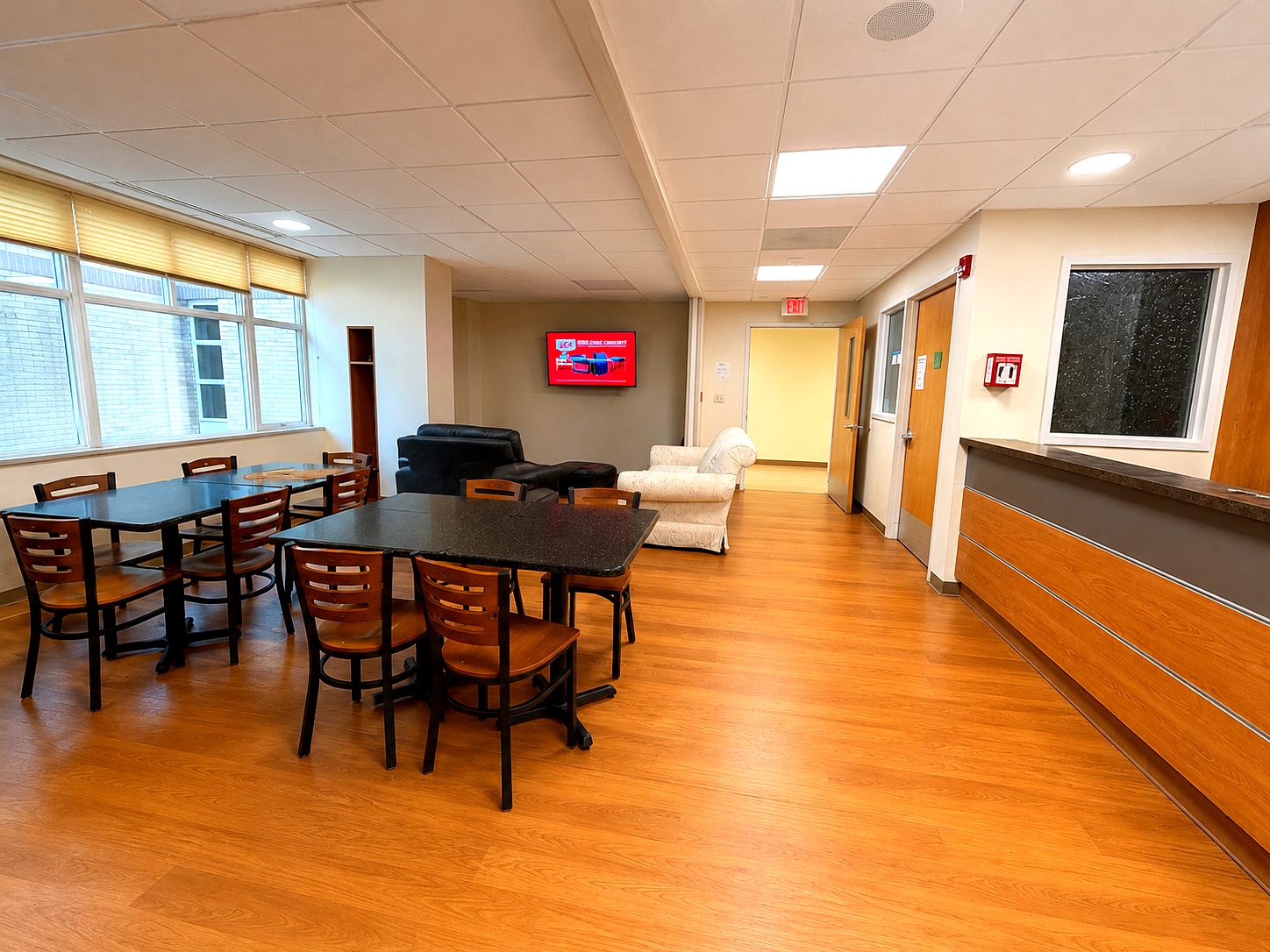


Suboxone Treatment (MAT) Inside Our Newfane Addiction Treatment Program
Medication alone does not rebuild a life, which is why our MAT program runs inside a 28-day residential stay. Clients receive 35 hours of counseling services each week, with group sessions seven days a week and individual counseling built around their own history of drug and alcohol use. A MAT program without counseling is only half a treatment plan.
Therapy includes Dialectical Behavioral Therapy for the thinking patterns that lead back to use, and Seeking Safety for clients carrying PTSD and other mental health conditions alongside a substance use disorder. Medication combined with this structure is what turns a few clean days into sustained recovery, and research ties that combination to better outcomes than either piece of addiction treatment alone.

What Suboxone MAT Costs
MAT is covered under most Medicaid plans along with some commercial plans, and a staff member handles verification so you are not decoding a benefits document during your worst week. Ask about cost on that first call, because no person should have to guess. It is a fair question, and cost should never be the reason someone skips addiction treatment.
Support After Discharge
Medication-assisted treatment does not have to end when your stay does. Your counselor writes a relapse prevention plan around your own triggers, arranges naloxone and overdose education for your family, names who continues your MAT prescription, and connects you with community support services so a drug-free life has structure behind it.
Families are welcome throughout, because support at home carries more weight in long-term recovery than any single week of treatment.
Questions About Suboxone MAT Program
How long do patients stay on medication-assisted treatment?
Some patients taper before discharge while others stay on the medication for months or longer, because recovery does not run on a calendar. That decision belongs to you and your prescriber.
Is Suboxone simply another addiction?
No. Taken as prescribed, the medication steadies brain chemistry, reduces cravings, and leaves you clear-headed enough for counseling and therapy to do their work.
Is it hard to come off Suboxone later?
Stopping abruptly is uncomfortable, which is why tapering is done gradually and with medical guidance rather than on your own.
Can I work while on MAT?
Yes. At a stable dose, most people drive, work, and parent normally. That is the point of it.
Is buprenorphine safe during pregnancy?
It is one of the recommended options for treating opioid dependence in pregnancy, and any pregnant client needs an individual assessment with our medical team.
Can you treat alcohol and opioid problems at the same time?
Yes. We hold OASAS licenses covering alcohol, benzodiazepine, and opioid detox, and treatment plans here routinely address more than one substance.
Do you accept people already prescribed Suboxone somewhere else?
Yes. Bring your medication details to intake, and our team will support your dosing without a gap.
Our addiction treatment services are here whenever you are ready to start
If you are in immediate danger, call or text 988. The SAMHSA National Helpline is 1-800-662-4357 and answers around the clock.