Recovery from substance use disorder isn't only psychological. The body goes through its own process of repair during detox and the early weeks of residential treatment, and how that physical recovery unfolds matters for what comes next.
Physical activity is one part of that healing process that doesn't always get enough attention in conversations about inpatient rehab, but the link between regular movement and better recovery outcomes shows up pretty consistently in the clinical research.
At our facility in Newfane, we're known as one of the best rehabilitation center options in the region, and physical activity is part of the broader approach to helping the body and mind stabilize together during the residential program. Here's what the evidence shows and how movement actually gets built into daily life at Niagara Recovery.
What Substance Use Does to the Body
Before getting into how physical activity helps, it's worth being clear about what it's actually helping to fix. Prolonged substance use affects the body in ways that go well beyond the acute withdrawal period. Heavy alcohol use can disrupt sleep architecture, put strain on cardiovascular function, and affect how the body processes nutrients over time.
Opioid use interferes with the body's natural pain regulation systems and often leads to real physical deconditioning during periods of active use, when basic self-care tends to stop being a priority for someone in the middle of addiction.
Many people arrive at inpatient programs in genuinely compromised physical shape, not just emotionally worn down but physically depleted after months or years of substance use. The body needs time and support to find its baseline again.
Staying sedentary for 28 days doesn't speed that up. Movement, even slow and gentle movement early on, supports physical recovery in ways you can actually measure: better sleep, steadier mood, lower anxiety, and the gradual rebuilding of stamina that fades during active addiction. Our residential program is built with this in mind from day one.
How Exercise Affects Brain Chemistry During Recovery
One of the bigger reasons physical activity matters so much during recovery is its effect on brain chemistry. Substance use disorders throw off the brain's reward and regulation systems in ways that take time to rebalance once a person stops using.
Early on, a lot of people go through a stretch where everyday things feel flat or just not rewarding, because the dopamine system is still recalibrating after being artificially pushed up for so long.
Physical exercise supports dopamine regulation directly, without bringing in an outside substance. Moderate aerobic activity produces changes that improve mood, lower the stress response, and build a sense of accomplishment that comes from the person themselves, not from anything external.
For someone in early recovery, relearning what it feels like to feel okay without substances matters more than it might sound. It's not a replacement for the therapeutic work happening in counseling and group sessions. It works alongside it, and if you're curious about what to expect in inpatient rehab, this is usually part of the picture.
What Physical Activity Looks Like at Our Facility
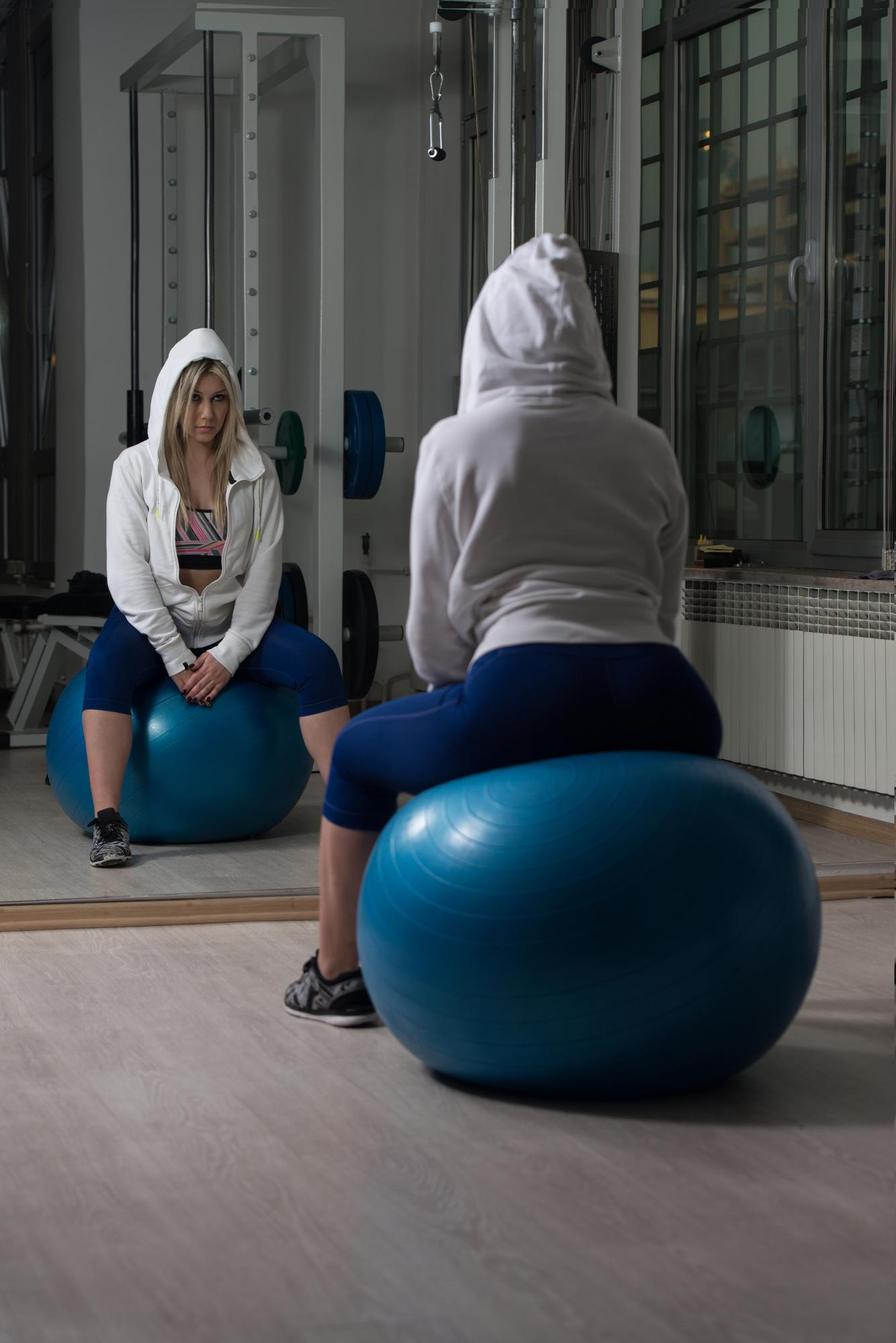
Our facility in Newfane includes a gym and outdoor recreational space. The approach here isn't performance-driven or overly structured. It's built into the daily schedule as one piece of a broader commitment to physical and mental recovery, not as some fitness program with targets to hit, and every client's plan is tailored to individual needs from the start.
The outdoor space is honestly a real asset here. Time outside, in a quiet setting near the Lake Ontario shoreline, gives people a kind of calm that structured programming just can't fully replicate. A lot of clients spend time outdoors between sessions, walking, thinking things through, or just being somewhere that doesn't feel clinical or institutional.
Our facility was built new and purpose-designed, not converted from something else, and that reflects an understanding that the physical space around someone affects how recovery feels.
Noticed that your energy, sleep, or mood has been slipping the longer you've gone without support? Give us a call at (716) 265-3700, and we'll talk through what a program built around your needs could look like.
The Connection Between Physical Health and Relapse Prevention
Physical health and relapse risk are more connected than a lot of people expect. Poor sleep, ongoing physical stress, low energy, and bad nutrition all raise the chances of cravings and the kind of decision-making slips that tend to come before relapse.
Physical activity, along with regular meals and a steady sleep schedule, is one of the building blocks of the physical resilience that makes long-term recovery more sustainable.
During the 28-day residential program, part of what our clinical team works on with each client is figuring out which lifestyle habits will actually support their recovery after discharge. Physical activity is one of those habits, and it's a big one.
Someone who leaves treatment having felt what regular movement actually does for their body is in a better spot to keep that pattern going once they're back home. The habits built during the inpatient stay don't just belong to that period, they become part of the foundation for what recovery looks like on the outside.
Building Routine Through Movement
One of the less talked-about parts of physical activity in recovery is what it does for building routine. Active addiction tends to break down predictable structure in a person's life.
Sleep, eating, movement, and social connection, all of it becomes secondary to substance use over time. A core purpose of the inpatient residential program is restoring some sense of structure and predictability to daily life, and physical activity plays a real part in that restoration.
A steady schedule that includes time for movement, meals, rest, and therapeutic programming starts to rebuild the daily rhythms that support a functioning life outside treatment. For a lot of people, the 28-day residential stay is the first extended stretch in years where daily life has had this kind of predictable shape.
That regularity isn't just comforting either. The brain and body adapt to routine in ways that lower anxiety and sharpen clear thinking, both of which matter for the decisions recovery asks of someone in the months and years after discharge.
Have questions about starting treatment, or just want to talk through your options first? Contact us, and we'll help you figure out the right next step. You can also reach us at (716) 265-3700 or admissions@niagararecovery.com. We're here Monday through Sunday, open 24 hours.
Related Topics: