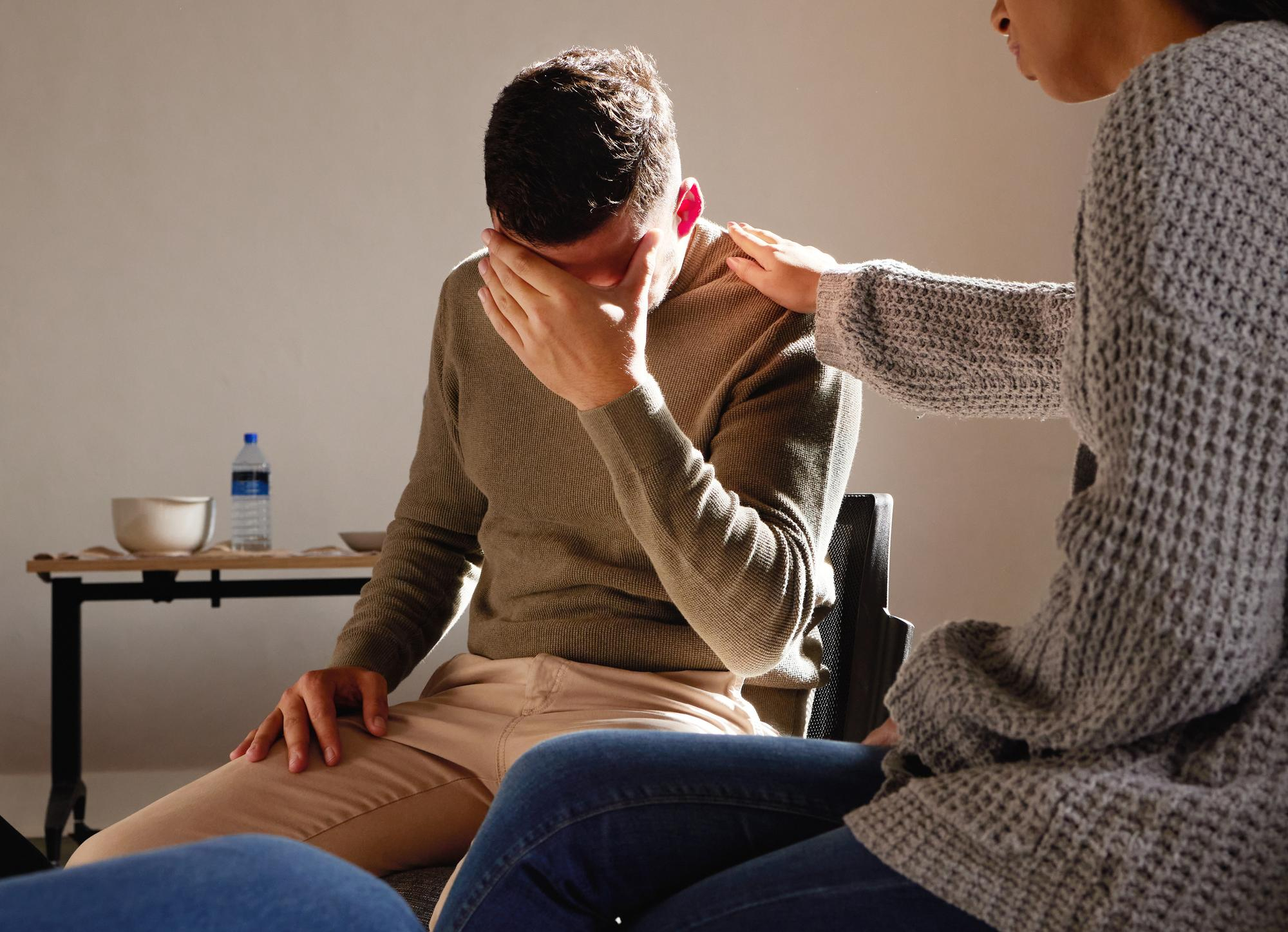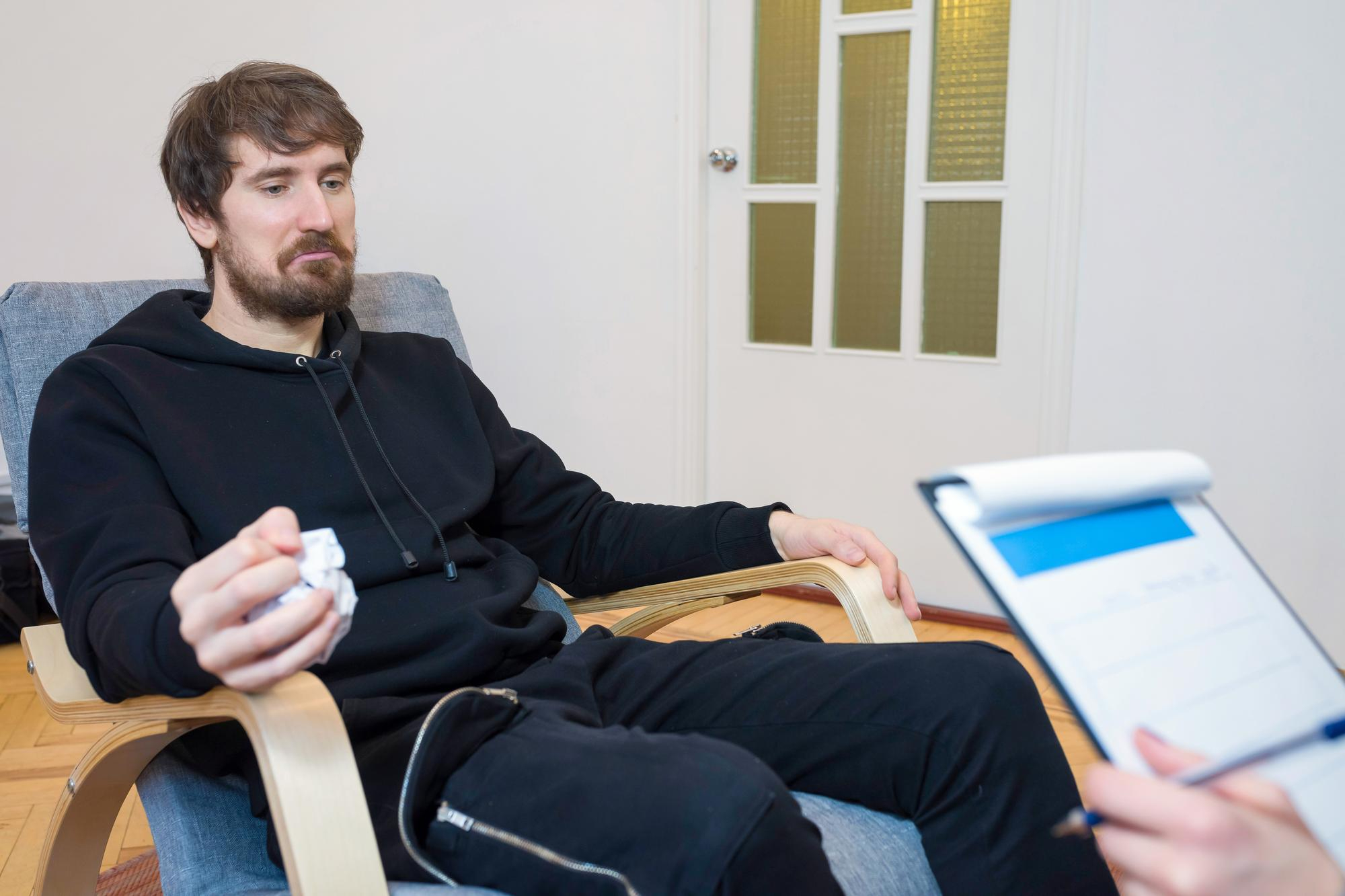
Inpatient rehab gets recommended often, but the question of whether it actually works and for whom deserves a straight answer. The short version is this: inpatient treatment isn't a guarantee for anyone, and it's honestly worth saying that plainly upfront.
What it is, when chosen for the right clinical reasons, is the most structured and medically supported environment available for treating substance use disorder, at least for a professional rehab center in Newfane, NY, like ours. That matters a lot for certain people and certain situations and a lot less for others.
Some people enter inpatient and come out with a foundation that holds. Others leave and relapse within weeks. Understanding what separates those outcomes starts with understanding who inpatient care is actually built for and where it has real limits.
Who Benefits Most From Inpatient Rehab
Inpatient treatment is built for people whose situation has reached a point where the structure and medical support of a residential setting genuinely change what becomes possible, which is really the core of what inpatient rehab is meant to be. That's really the whole premise, at its core.
People who've tried outpatient programs without much success are among those who benefit most from inpatient care. Outpatient works for a lot of people, but it requires going back each day to the same environment where substance use was happening.
When that environment is unstable, when substances are easy to get, or when ongoing stressors and relationships act as constant triggers, outpatient care gets really hard to maintain over time. Removing that environment entirely, even just for 28 days, changes the conditions for recovery in a way that's clinically meaningful, not just logistically convenient.
People dealing with physical dependence on alcohol, opioids, or benzodiazepines also typically need inpatient care, at least for the detox phase. Withdrawal from these substances can turn medically serious, and managing it safely takes around-the-clock nursing oversight, access to MAT medications, and the ability to respond right away if complications show up. That level of support just can't happen in an outpatient setting.
The Genuine Strengths of Inpatient Care
The most significant strength of inpatient rehab is the complete removal of environmental triggers. Inside a residential treatment facility, a person doesn't have access to substances, and they're not surrounded by the people, places, or daily routines that supported their use, which ties closely into opioid detoxification services during the earliest days of a stay.
That separation creates a window, the full length of the program, where the brain can start to stabilize without the constant pull of environmental cues that reinforce craving.
The second major strength is the intensity and consistency of clinical support. At our facility, clients get one hour of individual counseling daily, group therapy seven days a week, a psychiatric evaluation within the first 24 hours of admission, and structured programming from morning through evening.
That level of sustained attention to both mental and physical well-being just can't be replicated in once-weekly outpatient sessions.
For clients with co-occurring mental health conditions, which are common among people with substance use disorders, the early psychiatric evaluation matters quite a bit. Catching and treating those conditions from the start, rather than after a failed discharge, directly affects long-term outcomes.
The Real Limitations of Inpatient Treatment

Inpatient rehab has limitations worth naming directly, and pretending otherwise wouldn't do anyone any favors. The most obvious is that it's time-limited. A 28-day program doesn't resolve a substance use disorder that may have developed over years, and that transition is really part of what to expect in inpatient rehab from the very start.
The transition from the structured residential environment back to daily life outside the facility takes its own set of skills and ongoing support, and not everyone gets through that transition without some difficulty.
There's also the practical reality that inpatient care means stepping away from daily life for a month. Work obligations, family responsibilities, and housing arrangements don't pause during treatment. For some people, these logistics feel like real barriers even when inpatient is clinically the most appropriate choice.
Our admissions team works with clients and families to think through these practical questions before admission. A lot of concerns that seem hard to solve in the moment actually have workable solutions, but they're real factors that deserve attention rather than being brushed off.
Wondering whether what you're dealing with even calls for inpatient care? Give us a call at (716) 203-8000, and we'll talk it through with you.
What Happens When Inpatient Is Not the Right Fit
Inpatient rehab being the wrong fit for a specific situation doesn't mean treatment is off the table, not at all. It just means a different level of care may be more appropriate at that point in time.
Outpatient programs, intensive outpatient programs, and MAT-based treatment through a physician can all be appropriate paths depending on a person's clinical profile. During the admissions process, our clinical team runs a full assessment before any decision about level of care is made.
If inpatient isn't the right fit for someone who reaches out to us, we can help point toward appropriate alternatives. The goal isn't to place people into a residential program regardless of fit. It's to match each person with the care that actually serves their situation.
The Role of Discharge Planning in Long-Term Outcomes
The 28-day residential program is meant to be the foundation of recovery, not its entirety. Detox handles the physical stabilization.
The residential program addresses the behavioral, psychological, and emotional sides of substance use disorder. Discharge planning, which starts before the final week of the program, is where the structure for what comes next actually gets built.
That plan typically includes outpatient counseling referrals, peer support group connections, continued MAT where clinically indicated, and a written relapse prevention plan specific to each person's triggers and circumstances.
The most complete inpatient programs treat discharge planning as a clinical priority rather than some final administrative step. What happens in the weeks and months after discharge matters just as much as what happened during the program itself, maybe more.
Making the Right Decision for Your Situation
Deciding whether inpatient rehab is the right choice isn't something you need to figure out alone. A conversation with a clinical admissions team is the most reliable way to assess what level of care fits a specific set of circumstances. At our facility, that conversation can happen the same day someone's ready to have it.
The question of whether inpatient rehab works isn't really a yes or no answer. It works when it's the right choice for the right person at the right moment, when it's followed by a real discharge plan, and when the person in treatment is actually engaged with the process.
Our role is to create the conditions where that engagement is possible and to make sure what comes after the 28 days is planned just as carefully as what happens during them.
Frequently Asked Questions
How do I know if inpatient is the right level of care?
The most reliable way is a clinical assessment conducted by our admissions team. They'll ask about substance use history, prior treatment attempts, your current living situation, and any medical or mental health history. That information determines which level of care best fits the situation.
What if someone has been to inpatient before and relapsed?
Prior treatment attempts aren't disqualifying, not even close. They're clinical information. If a previous inpatient stay didn't address a co-occurring mental health condition or lacked a solid aftercare plan, a new treatment plan can account for those gaps directly. Our psychiatric evaluation at admission is built to catch what prior programs may have missed.
Does inpatient rehab require a referral?
No. Anyone can call our intake line directly at any time. No referral is required to begin the admissions process.
Is same-day admission possible?
Yes. When someone's ready to come in, we work to make that happen as quickly as possible.
Does insurance cover inpatient rehab?
Most Medicaid plans in New York cover inpatient treatment at OASAS-licensed facilities. Some commercial plans also provide coverage. A dedicated staff member handles insurance verification before admission, so clients and families don't have to work through that process on their own.
We Are Here When You Are Ready
If you have questions about whether inpatient care is the right fit, or you're ready to start the process, our team is available now. Same-day admissions are available, and we're open 24 hours a day, every day.
Call: (716) 203-8000
Email: admissions@niagararecovery.com
Address: 2600 William St, Newfane, NY 14108
Related Topics: