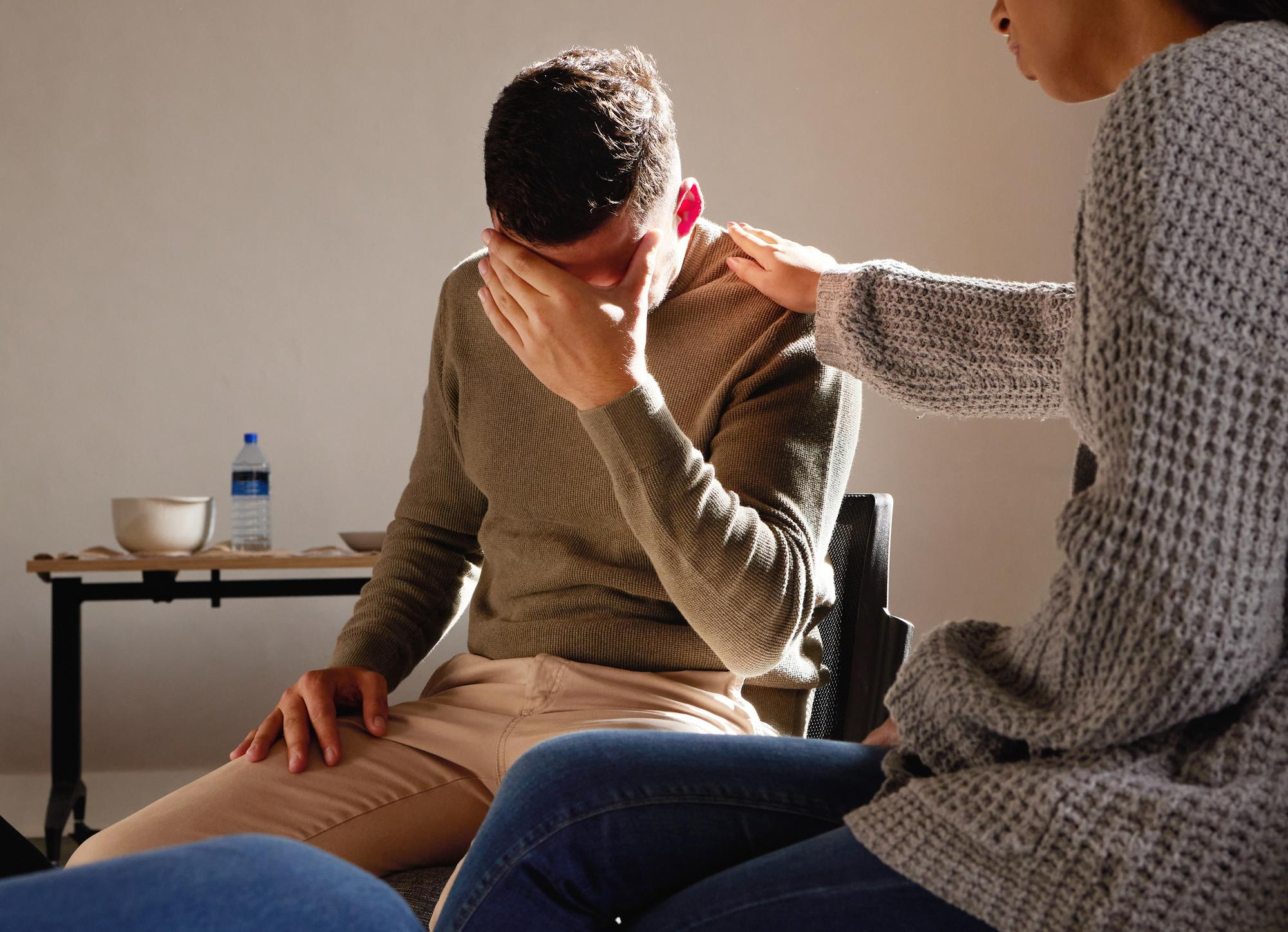
The beliefs that keep people out of treatment are rarely the dramatic ones. They are small, plausible assumptions picked up from television and from somebody's cousin who went somewhere once.
We admit adults at our trusted rehab clinic in Newfane who sat on a decision for two years, you know. Correcting the belief usually takes ninety seconds on the phone.
Detox Is Not Something You Can Power Through at Home
The belief that withdrawal is a test of character is the most dangerous one here. Alcohol and benzodiazepine withdrawal can kill people. Alcohol withdrawal carries a risk of seizures and delirium tremens, and stopping benzodiazepines abruptly after sustained use is medically dangerous rather than merely unpleasant.
Both are managed with a supervised taper, paced by a physician, which just can't be improvised in a spare room.
Opioid withdrawal is rarely fatal on its own, which is precisely why it gets underestimated. The danger sits on the other side of it, because tolerance drops fast during even a few days of abstinence.
Someone who gives up partway through and returns to their usual amount faces a far higher overdose risk than the week before. Medical detox removes that window by keeping the person somewhere they cannot use, and from there a residential reintegration program can pick things up under the same roof.
Rehab Does Not Mean Being Locked In and Cut Off
Inpatient treatment is voluntary. People picture a locked ward, white corridors, and no say in their own decisions, and a residential addiction program looks nothing like that.
Clients here live in a purpose-built facility in Newfane, NY, with outdoor space, a recreation room, laundry, and three meals a day. The building was constructed for this rather than converted from something else.
The structure is real, and it is the point. Days run to a consistent schedule of individual counseling, group therapy, and structured therapeutic programming. A predictable rhythm does more for early recovery than free time does, which is a clinical decision rather than a restriction.
Most people are a bit surprised once they learn what to expect in inpatient rehab, because the days are far more ordinary than the movies suggest.

Waiting for Rock Bottom Costs People Their Lives
Rock bottom is a storytelling device rather than a clinical threshold. The idea that someone must lose everything before treatment can work has no basis in how substance use disorder is treated, yet it has justified a great deal of waiting. People who enter treatment with a job, a marriage, and a home have more left to rebuild around. That helps rather than hinders.
What matters more is how short the gap is between deciding and arriving. Readiness is fragile, and someone willing to go on a Tuesday afternoon is frequently unwilling by Thursday. That is why we keep same-day admissions available when a bed is open. Anyone weighing the pros and cons of inpatient rehab should protect the decision window, not the wreckage.
Been putting off a call for a week, or maybe a few months? Give us a call at (716) 203-8000, and our Newfane team will talk through what a same-day admission could look like.
What Inpatient Treatment Actually Costs a Family
Cost is the most common reason people put off a call. The figure in their head usually belongs to a destination facility in another state.
Most New York Medicaid plans cover inpatient substance use treatment at licensed facilities, and we accept most Medicaid plans along with some commercial insurance. A staff member handles verification before admission, so coverage gets settled in advance rather than discovered afterward.
Before committing to any facility, a few things are worth establishing on the initial call.
Questions worth asking any inpatient facility:
- Is the facility state-licensed for both withdrawal management and inpatient rehabilitation
- Does a staff member verify insurance for you, or are you expected to do it yourself
- Can you move from detox into rehabilitation without transferring elsewhere
- Does every client receive a psychiatric evaluation, and how soon after admission
- What specifically gets arranged before discharge, and who writes it down
The answers separate facilities quickly. A program that cannot say what happens between detox and rehab usually has a gap there, and that gap is where people relapse. It's kind of a tell, honestly.
A Failed Attempt Is Clinical Information, Not a Verdict
Plenty of people arrive certain that nothing will work, because a previous program did not. That skips the obvious question of why it did not work, and often the answer is an untreated mental health condition nobody screened for.
Every client here receives a psychiatric evaluation within 24 hours of admission. Depression, anxiety, PTSD, and bipolar disorder then get treated alongside the substance use rather than after it.
The other common answer is a handoff. Someone completes detox at one facility, gets a referral elsewhere, and falls out of treatment in the weeks between.
We hold licenses for both stages, so clients move from withdrawal management into our House of Hope residential program inside the same building, with the same clinical team. Nobody has to arrange their own transfer during the hardest fortnight of the year.
Have questions about starting treatment, or just want to talk through your options? Contact us, and we'll help you figure out the right next step. You can also reach us at (716) 203-8000 or admissions@niagararecovery.com. We're located at 2600 William St, Newfane, NY 14108.
Related Topics: