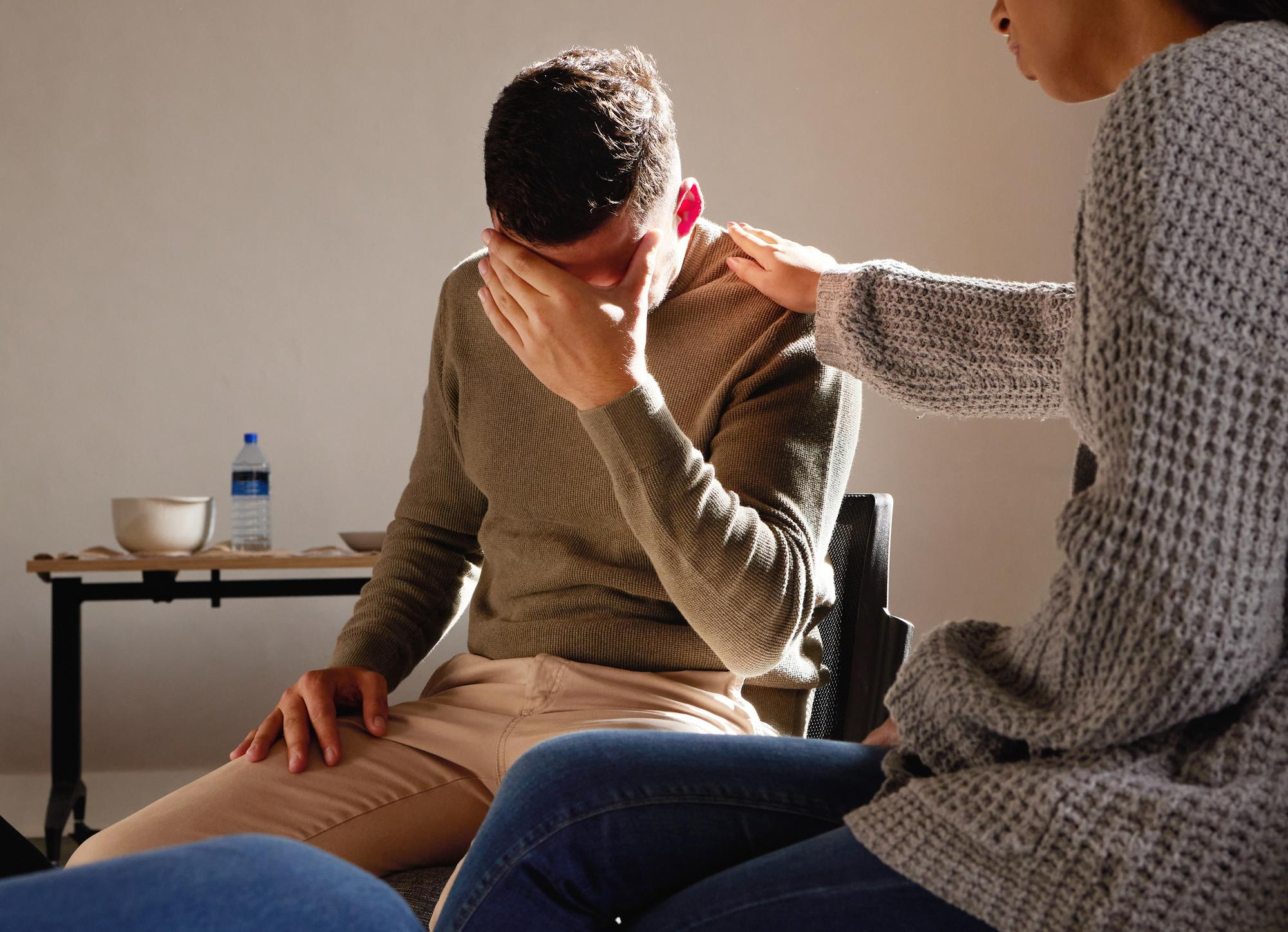
Group therapy during detox does three things medication just can't. It proves that withdrawal is survivable, and it gives cravings somewhere to go besides your own head. It also holds you accountable to people who are two days further along than you are.
We run group counseling seven days a week at our top-rated rehab center in Newfane, NY, right alongside inpatient drug and alcohol detox. Every client also gets an hour of individual counseling daily. There's a psychiatric evaluation within a day of arrival too, so nothing sits around waiting.
Why We Start Group Work During Detox Instead of After It
Most people assume group therapy belongs to the rehab phase, once the physical symptoms settle down a bit. We schedule it from day one because the first few days are when isolation does the most damage.
Someone lying in a room counting hours will eventually talk themselves into leaving. Someone who just heard three other people describe the same restlessness has a reason to stay.
The clinical argument is retention. Leaving detox early strongly predicts relapse, and that decision is usually made alone, at an hour when nobody is around to argue with it. Group sessions interrupt that pattern by filling the parts of the day that would otherwise sit empty.
Our nursing team covers the medical side overnight, and group work covers the part that isn't medical at all. That's really how group therapy treats addiction in the early days, you know, by keeping people connected when they'd rather disappear. It's kind of simple, honestly.
What a Detox Group Session Actually Involves
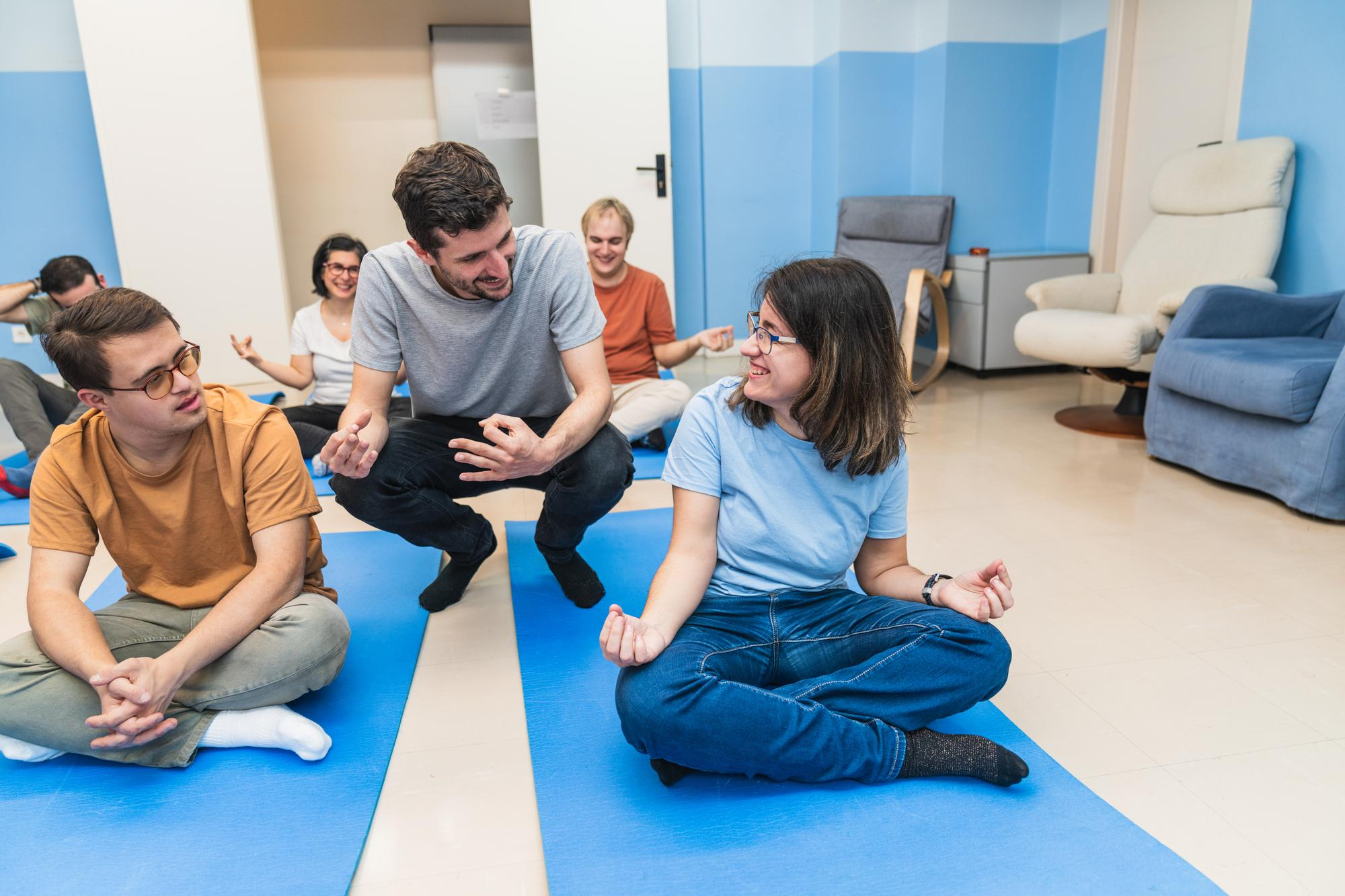
Sessions are small, facilitated by a counselor, and built around what people are dealing with that day rather than a fixed curriculum. Nobody has to speak on arrival. Clients in acute withdrawal often listen for an early session or two, which our counselors expect rather than push against.
A session runs to a check-in, a focused topic, and a close. That close gives everyone something concrete to carry into the next few hours, and the topics stay practical. Nothing fancy, just a structure people can follow while their head is still foggy.
What a group session usually includes:
- A round of check-ins where each person names where symptoms and cravings sit that day
- One focused subject, such as a specific trigger or a difficult phone call home
- Skills work from dialectical behavior therapy, which targets the thinking patterns behind substance use
- Space for people further along to describe what changed for them
- A close that sets one concrete thing to do before the next session
Clients carrying PTSD alongside substance use work in Seeking Safety, a model built for that combination. It keeps the focus on safety in the present, because reopening trauma while someone is still physically unstable does more harm than good. The same format carries into our short-term residential program, so the structure feels familiar later on.

Does Group Therapy Help With Cravings?
It helps, though not the way medication does. Medication lowers the physical intensity of a craving, while group therapy changes what a person does with it. Saying out loud that you want to use, in a room where nobody reacts with alarm, takes the shame out of it. Shame is what turns a craving into a secret plan.
The other mechanism is modeling. Someone a week ahead of you describes a craving they sat through without using, and that is evidence rather than reassurance. Evidence persuades better, and maybe that's why it sticks.
Our clinical team pairs this with medication-assisted treatment where it is indicated. The physical and behavioral sides get handled together rather than one standing in for the other. Anything too personal for the room goes into individual counseling during rehab, which picks up right where group leaves off.
Dealing with cravings that feel too loud to handle on your own? Give us a call at (716) 203-8000, and we'll walk you through what the first day looks like before it turns into a bigger struggle.
Group Counseling Compared With One-on-One Counseling
The two do different jobs, so we run both daily rather than choosing. Individual counseling is where personal history gets examined: the specific trigger events, the family dynamics, the attempts that did not hold. That work needs privacy and a counselor following one thread across several sessions, which a group can't really do.
Group counseling builds what only exists between people. Explaining your situation to a room is a bit different from explaining it to a clinician. The feedback also comes from people with no professional obligation to be gentle. Clients often say a peer naming something directly landed harder than the same observation from staff.
Who Finds Group Therapy Harder, and How We Handle It
Group work isn't easy for everyone, and that's okay. People with social anxiety often arrive expecting to be judged. So do people who had a bad experience in a previous program, and people pushed into treatment by a court or a family ultimatum. Older adults sometimes land in a room where most people are a generation younger and decide they have nothing in common.
None of that exempts anyone, though it changes how we bring them in. Counselors manage participation deliberately. That can mean letting a client observe for several sessions, matching topics to the room, or moving work into individual counseling.
The psychiatric evaluation at admission flags anxiety and trauma early. So the counselor running the room already knows who needs a slower entry. Nobody gets thrown in, basically.
What Happens to Group Work After Detox Ends
Detox stabilizes the body, and the behavioral work carries on in our short-term residential program, where groups keep running seven days a week. Clients move from detox into residential care inside the same building, with the same clinical team. The group is largely the same room of people, so nobody restarts their story for a new set of strangers.
Discharge planning extends that outward, and before anyone leaves, a counselor helps them find peer support in their own community. That might be a meeting in Lockport, something in Buffalo, or a group closer to home in Niagara County, NY.
The written relapse prevention plan names those connections specifically. Talking to other people about cravings is the habit that has to survive discharge.
Frequently Asked Questions
Contact Us
Same-day admissions are available when a bed is open. If you are ready, or calling on behalf of someone who is, contact us and our intake team will verify your insurance up front. They'll also explain what happens on arrival before you leave the phone.
Call intake at (716) 203-8000, email admissions@niagararecovery.com, or come to us at 2600 William St, Newfane, NY 14108.
Related Topics: