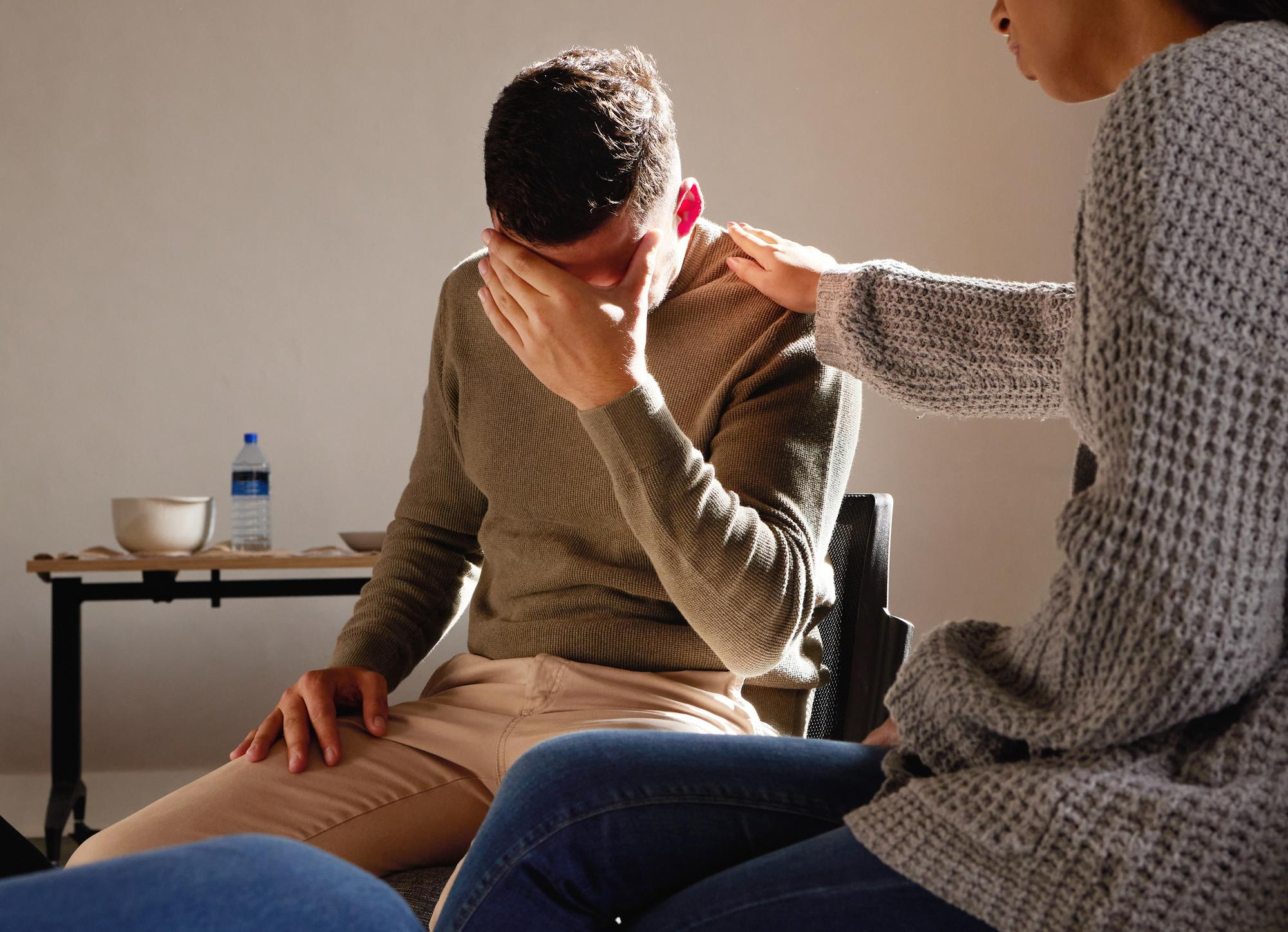
Detox that ignores mental health sends people home physically stable and clinically untreated. That is why so many come back. Depression, anxiety, PTSD and bipolar disorder sit underneath a large share of substance use, and they are still there on day 29.
Every client at our professional rehab center receives a psychiatric evaluation within 24 hours. What it finds goes into the treatment plan rather than into a file.
What Happens When a Co-Occurring Condition Goes Unaddressed
A person who drank for years to manage untreated panic attacks has two conditions. Remove the alcohol and the panic attacks remain, except now nothing is dampening them. The drinking only looked like the problem because it was the visible part of it. Two weeks after discharge the anxiety is at full strength with nothing replacing it.
The odds of returning to alcohol are high, and the person usually gets blamed for lacking willpower. This is the most common reason a previous program did not hold, you know, and clients tell our counselors some version of it constantly.
The detox worked, the rehab was fine, and within a month they were back where they started. Programs that treat substance use as a standalone condition are not failing on effort. They are failing on scope, because the driver was never inside the part they treated.
The Psychiatric Evaluation Within 24 Hours of Admission
Within a day of admission, every client sits with a clinician for a full evaluation. It covers mental health history, current symptoms, trauma history, prior diagnoses and any psychiatric medication already prescribed.
The timing is deliberate, because decisions made in the opening days set the direction of everything after them. That is a big part of why psychiatric evaluations in rehab happen so early here.
Early evaluation also catches what people do not volunteer. Someone admitted for opioid dependence rarely opens with the car accident four years ago. That detail surfaces in a structured assessment, and it changes the plan.
Our medical team then coordinates any psychiatric medication alongside withdrawal management, so both prescribing decisions are made by people talking to each other.
Which Conditions Turn Up Most Often

The evaluation screens broadly. Certain conditions still appear repeatedly in adults entering inpatient care across Niagara County and the wider Buffalo area.
Conditions our clinical team most commonly identifies at admission:
- Depression, often predating the substance use by years rather than following it
- Generalized anxiety and panic disorder, frequently self-medicated with alcohol or benzodiazepines
- PTSD, including trauma never disclosed to a previous treatment provider
- Bipolar disorder, sometimes undiagnosed because manic periods were read as heavy using
- Chronic pain alongside opioid dependence, which complicates every medication decision
Identifying which one is present changes the clinical work, not just the paperwork. A client with PTSD and substance use disorder goes into Seeking Safety, a model designed for exactly that pairing.
That model establishes safety in the present rather than processing trauma while the body is still unstable. A client whose anxiety was managed with benzodiazepines needs a supervised taper and a replacement strategy during our drug detox services, not just a taper.
Noticed panic, low mood, or sleepless nights tangled up with someone's drinking or drug use? Give us a call at (716) 203-8000, and we'll listen to the whole story before it turns into a bigger problem.
Can Withdrawal Itself Look Like a Mental Health Condition?
Yes, and telling them apart is part of the clinical work. Acute withdrawal produces anxiety, agitation, insomnia, and low mood in almost everyone, whether or not an underlying condition exists. Diagnosing depression in someone on day two of alcohol withdrawal would be unreliable.
Our approach to managing mental health during withdrawal is to evaluate early, treat what is clearly present, and keep watching as the body settles.
Symptoms that lift as the body stabilizes were withdrawal. Symptoms that remain in week two, once sleep and appetite return, are something else, and the plan adjusts. Mental health counseling begins while detox is still underway rather than afterward.
Treating Both Conditions at the Same Time
The older model treated substance use first and mental health later, usually somewhere else. That sequence has a gap in it, and the gap is where people fall out of treatment. Someone discharged with a psychiatrist referral six weeks out has six weeks to manage alone, which is the exact period when relapse risk peaks.
We hold both licenses needed to avoid the handoff. Withdrawal management and inpatient rehabilitation happen in the same building with the same team.
Dialectical behavior therapy runs through the residential program, targeting the thinking patterns and emotional regulation problems underneath both conditions. Psychiatric medication, where indicated, is prescribed here by the same medical team managing the withdrawal.
What Mental Health Care Looks Like After You Leave
Discharge planning starts well before the last day. A counselor arranges continuing mental health follow-up, which means a named provider and a specific appointment rather than a printed list of options. For clients on psychiatric medication, the plan confirms who continues the prescription before they walk out.
The written relapse prevention plan treats mental health symptoms as triggers in their own right. If a stretch of poor sleep has historically preceded a return to using, that goes in the plan with a named response.
Clients leave our facility in Newfane, NY for Lockport, Buffalo, Niagara Falls, and towns across Orleans County. The aftercare plan is built around what is actually reachable from where they live.
Frequently Asked Questions
Contact Us
If a previous attempt did not hold, an untreated condition underneath it is worth ruling out first. Same-day admissions are available when a bed is open. Contact us and our team will verify insurance before you arrive, so coverage is settled in advance rather than discovered afterward.
Call intake at (716) 203-8000, email admissions@niagararecovery.com, or find us at 2600 William St, Newfane, NY 14108.
Related Topics: