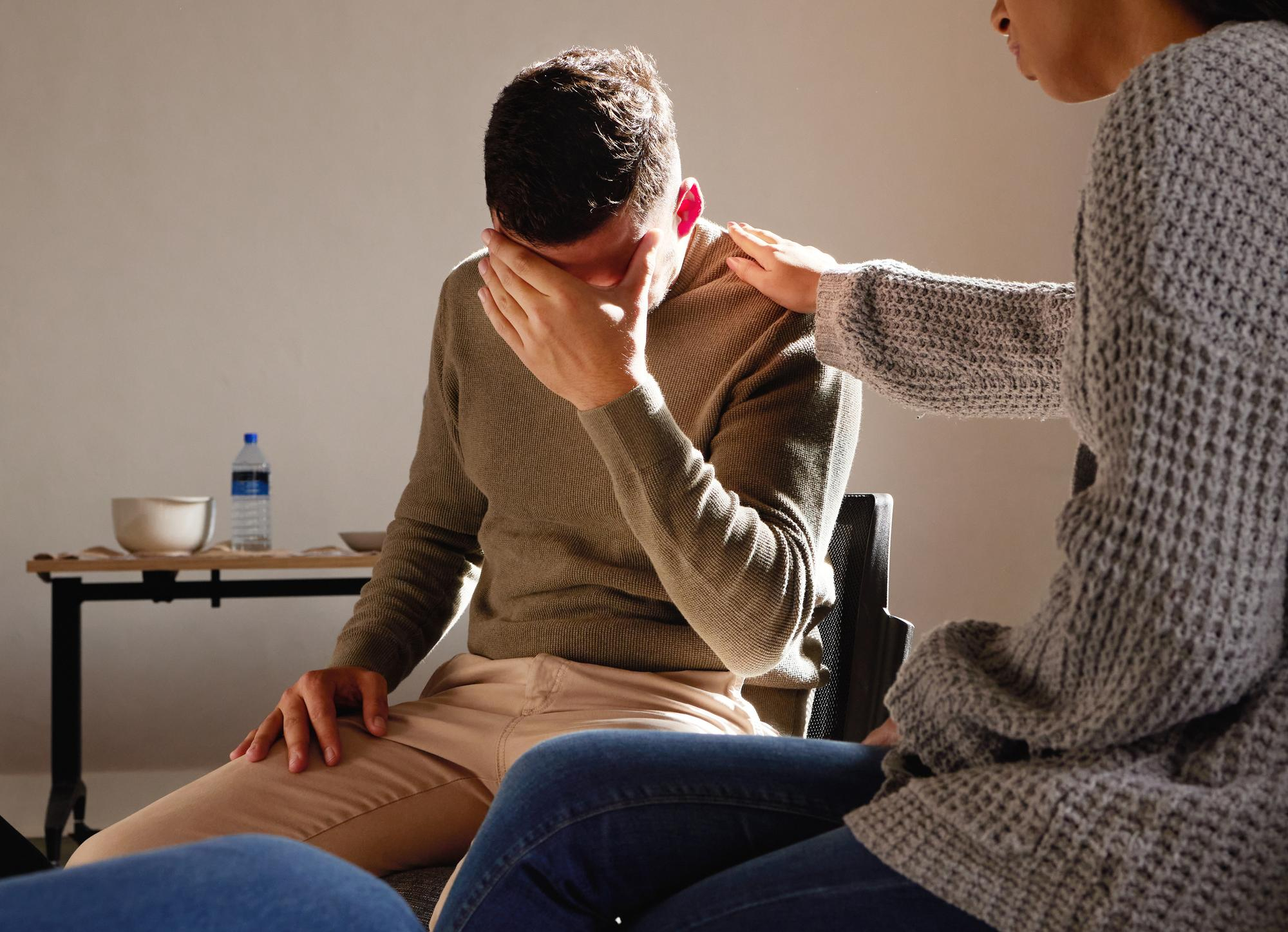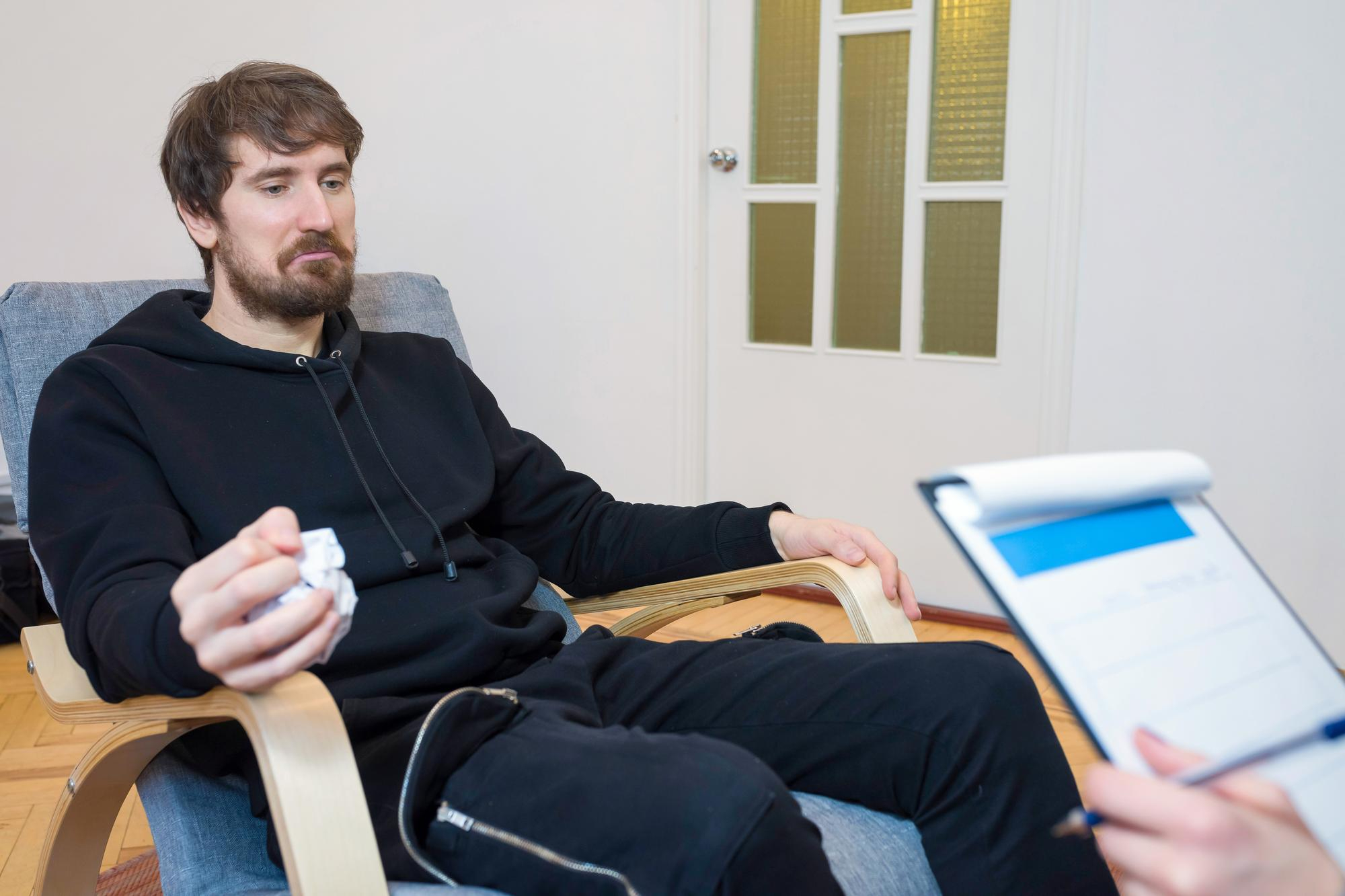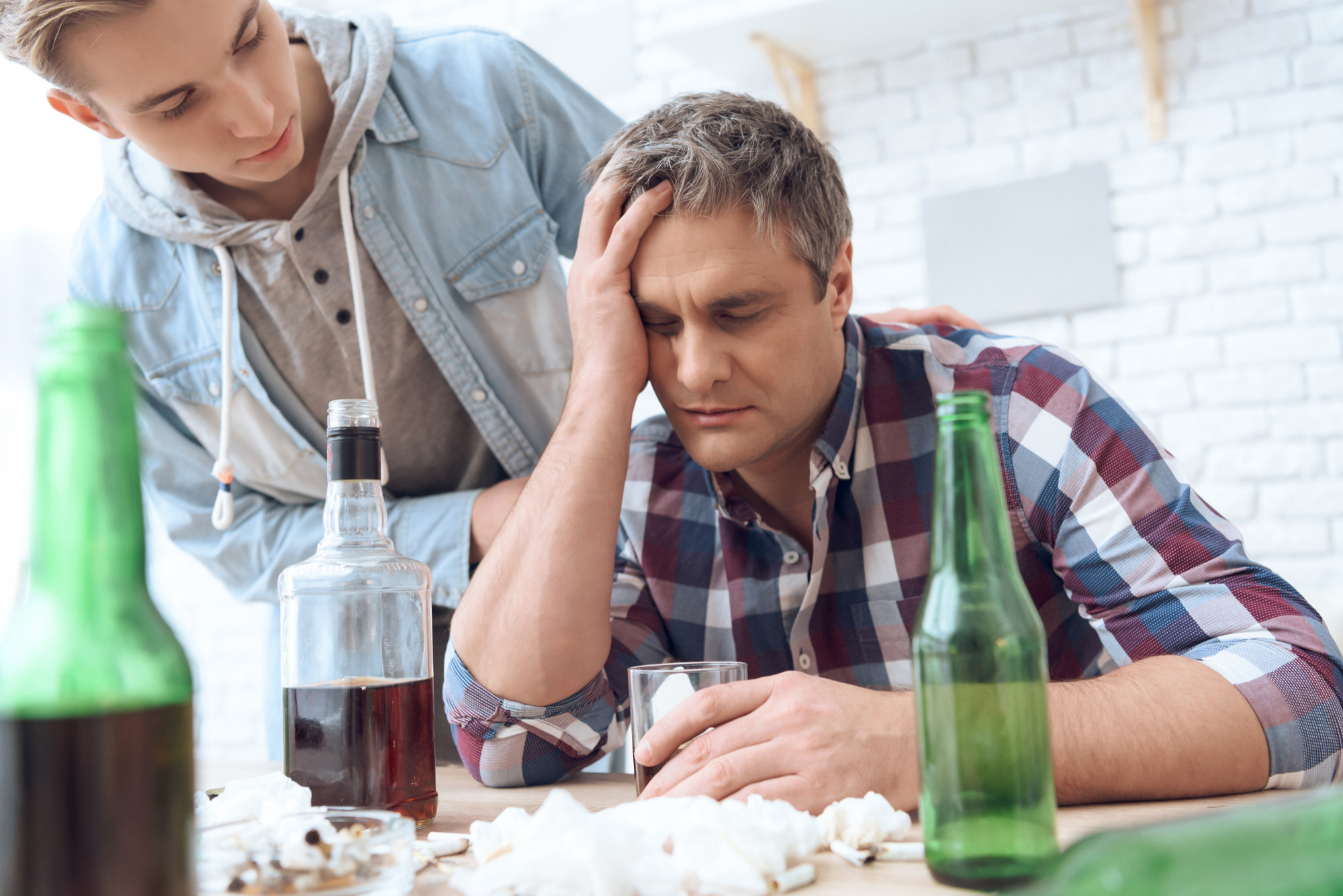
When people use the term "holistic treatment" in the context of inpatient drug rehab, what it means concretely is treatment that addresses the full picture of addiction rather than just the physical withdrawal process. Addiction does not affect only the body. It affects behavior, mental health, emotional regulation, relationships, and the practical circumstances of a person's life.
Treatment that only manages the physical component of dependence rarely produces lasting recovery. A quality rehab center understands this and builds care around the whole person, not just the symptoms. This piece breaks down what well-rounded inpatient treatment actually includes and why each component matters.
Detox Is the Entry Point, Not the Complete Treatment
For people with physical dependence on alcohol, opioids, or benzodiazepines, medically supervised detox is the required first stage of inpatient care. The clinical team manages withdrawal safely, using medications where appropriate to reduce symptom severity and prevent serious complications.
The body needs to be stable before the next stage of treatment can begin, and detox provides that stability. But clearing substances from the system and managing the physical withdrawal process does not treat addiction. It treats the physical state of dependence that has developed alongside it.
The reason inpatient rehab extends beyond detox into a structured residential program is that the behavioral, psychological, and emotional dimensions of addiction require direct attention.
The thinking patterns that contributed to substance use, the emotional states that were being managed through substances, and the environments and relationships that carry ongoing risk, none of these resolve when the substance leaves the body.
They require clinical work, structured time, and a supportive setting to be effective. That is what the residential component of inpatient care is designed to provide.
The Therapy Models That Address the Roots of Continued Use
Evidence-based therapy sits at the center of a well-designed inpatient program. At our facility, Dialectical Behavioral Therapy (DBT) is used throughout the residential program. DBT is a form of cognitive-behavioral therapy that teaches clients to:
- Identify destructive patterns of thinking
- Build concrete skills for managing difficult emotions
- Tolerate distress
- Handle interpersonal situations more effectively
For many people in recovery, substances have been filling the function of emotional regulation for years. DBT provides an actual set of skills to fill that role instead.
Seeking Safety is another model used in our residential program, specifically designed for people with co-occurring PTSD and substance use disorder. Rather than asking clients to process trauma directly in the early stages of recovery, Seeking Safety focuses on helping clients feel genuinely safe in the present, including in their:
- Behaviors
- Relationships
- Daily emotional state
It is a practical, skills-based approach that runs alongside the rest of the treatment plan and gives clients specific clinical tools for managing both trauma and addiction at the same time.
Psychiatric Care Built Into the Treatment From Day One

A significant share of people who enter inpatient treatment have a mental health condition alongside their substance use disorder. Common co-occurring diagnoses include:
- Depression
- Anxiety
- Bipolar disorder
- PTSD
In many cases, these conditions have either driven the substance use, worsened it, or both. Programs that do not identify and treat these conditions are addressing addiction while leaving one of its primary drivers in place. This is one of the reasons prior treatment attempts, in settings without integrated psychiatric care, often did not produce lasting results.
Every client who comes to us receives a full psychiatric evaluation within the first 24 hours of admission. This is a standard part of the admission process, built in from the start rather than offered as a referral later. The evaluation shapes the treatment plan from the beginning, making sure that any co-occurring mental health condition is addressed alongside the addiction treatment.
Medication management for mental health conditions is available where clinically appropriate, and the therapeutic models we use are chosen in part because they address the overlap between mental health and substance use rather than treating them as entirely separate problems.
Individual Counseling as the Most Personalized Layer of Care
Group therapy serves real clinical functions in a residential program. It:
- Builds accountability
- Reduces the isolation that often accompanies addiction
- Exposes clients to others working through similar challenges
But individual counseling is where the most specific clinical work happens. Each person's relationship with substances reflects their particular history, specific emotional patterns, family situation, and the circumstances of their own life.
One of the reasons inpatient detox programs are tailored to individual needs is that a generic plan just does not hold up against a person's real triggers and real life. In our residential program, each client receives daily individual counseling. Those sessions focus on the personal history, thinking patterns, and behaviors specific to that individual.
An ongoing relationship with a consistent counselor provides a stable clinical presence during the harder moments of the residential stay, when a direct conversation with a trusted clinician can make the difference between staying in treatment and walking away.
How Discharge Planning Connects the Program to Real Life
Even the most thorough residential program has a defined end point, and what happens in the weeks immediately following discharge is one of the strongest predictors of whether the work done during treatment holds over time.
A residential program that sends clients home without a structured aftercare plan leaves a critical gap between treatment and real life. Discharge planning at our facility begins well before the final day of the residential stay and is woven into the treatment plan throughout.
Every client leaves Recovery Center of Niagara with an aftercare plan that includes:
- Referrals to outpatient counseling
- Connections to peer support resources
- Continued MAT prescriptions arranged where clinically appropriate
- A written relapse prevention plan tailored to the specific triggers and situations identified during treatment
The goal is a supported transition from the residential setting to daily life, rather than an abrupt ending to care. Recovery does not stop when the residential program ends. The 28 days of the program are designed to build a foundation, and the discharge plan is what connects that foundation to the life the client is returning to.
Related Topics: