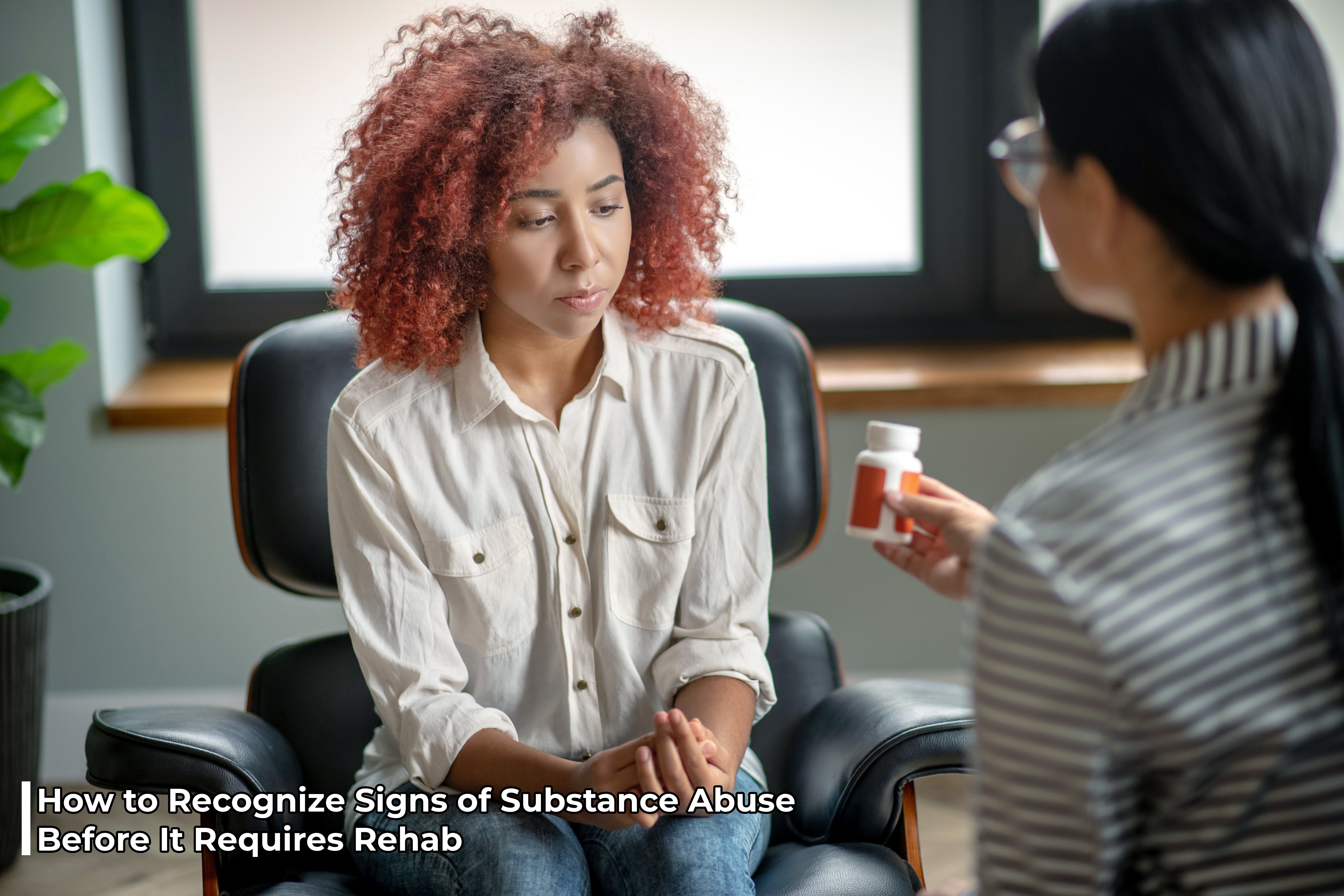
Nobody wakes up one day and suddenly needs inpatient treatment. The warning signs are usually there months in advance, quietly building long before anyone calls it a crisis. And more often than not, those signs get talked away instead of talked about.
That doesn't mean anyone wasn't paying attention. It just means this is how it usually plays out. The shift happens slowly, the excuses sound reasonable enough, and the person going through it is often working hard to keep everything looking fine on the surface.
Once you know what real change looks like when substance use turns into a problem, it gets a lot harder to look away from what's right in front of you. And if that moment comes, having access to trusted Newfane rehab services nearby can make all the difference between hesitation and getting real help started.
Physical Changes That Often Get Written Off as Something Else
The body reacts to consistent substance use before most other things do. The catch is that many of the physical changes look like something else entirely: exhaustion, a rough few months, stress, poor sleep. That surface-level similarity is exactly what makes them so easy to miss.
Visible Physical Signs:
- Bloodshot or consistently glassy eyes with no clear explanation
- Noticeable weight shifts over a short period, either up or down
- Skin that looks off in ways that are hard to name specifically, whether pale, flushed, or broken out more than usual
- Tremors in the hands, particularly in the morning, which in someone with a history of heavy drinking can signal physical dependence on alcohol
- A smell that lingers, whether alcohol or something chemical
Sleep Changes:
Sleep is one of the clearest physical markers. Substance use disrupts how the brain cycles through sleep stages, and what it typically produces is someone who either sleeps far too much or barely at all, with very little in between. If sleep patterns have changed significantly without a clear cause, that is worth taking seriously.
Withdrawal Symptoms:
Physical withdrawal symptoms are harder to observe from the outside but include:
- Nausea
- Sweating
- Shaking
- Intense restlessness that seems to appear at predictable intervals, particularly when the person has not used recently, suggesting the body has become physically dependent
How Behavior and Social Connections Start to Shift
Physical signs can stay hidden for a surprisingly long time. Behavioral changes are harder to conceal because they affect other people. Below are the key indicators to watch for:
Missed Commitments
- Not once or twice, but as a consistent pattern across work, family events, and other responsibilities
- Explanations may sound legitimate one at a time, but the pattern is what matters
Financial Problems
- Money borrowed and not paid back
- Things around the house that disappear
- Purchases that don't make sense given what the person earns
- These are details families often only connect in retrospect
Withdrawal from Social Contact
- Specifically from people who don't use substances
- Old friendships go quiet
- The person may become defensive or irritable when asked simple questions about where they've been or how they're doing
- That defensiveness usually has a source
Mood Changes
- Swings that don't match the situation
- A flatness that has replaced what used to be genuine engagement
- Secretiveness around a phone or finances that wasn't there before
- Small lies that don't quite add up
What Families and Close Friends Most Often Miss
Families are typically the last to name what they're seeing. Not because they're unobservant, but because naming it means having a difficult conversation with someone they love and want to believe the best about. That hesitation is human. It just sometimes costs time.
"They're still functioning" is one of the most common things we hear from families who contact us after months of watching someone decline. The person still goes to work, still shows up sometimes, still seems like themselves in moments. But functional and not struggling are two very different things. A lot of people with serious substance use disorders maintain the appearance of functioning for a long time before something breaks visibly.
"They've been through a lot" is another one. Difficult circumstances are real, and it makes sense to want to give someone grace for that. But if someone has been consistently turning to a substance as the primary way through those circumstances, the substance use itself needs to be addressed on its own terms. Separate from whatever triggered it.
"It's probably just a phase" comes up often when the person is younger, or when the pattern is intermittent. Here is the thing about phases, though. They don't tend to keep getting worse over time. Recognizing the signs you or a family member need inpatient drug rehab early, before things escalate, is one of the most important things a family can do.
When a Habit Becomes a Physical Dependency
There's a meaningful clinical difference between heavy use and physical dependency. The shift happens gradually, which is part of why it's hard to catch. Below are the key signs to be aware of:
Signs of Physical Dependency
- Increased tolerance. Needing more of the substance to feel the same effect. Tolerance builds slowly, and people often don't notice how much it's climbed until they look back and compare where they are now to a year ago.
- Using to feel normal, not good. Using not to feel good but to avoid feeling sick represents a significant shift. When someone needs a drink before noon to stop their hands from shaking, or needs to use it within a few hours of waking up to get through the day without discomfort, that's a physical dependency. It's not a choice in the same way it was at the beginning.
- Failed attempts to cut back. One failed attempt might be a willpower question. A pattern of trying and not being able to follow through is something else. The substance has reorganized how the brain and body function, and that doesn't resolve through determination alone.
For alcohol and benzodiazepine dependence specifically, stopping without medical supervision carries real medical risk. Withdrawal from both can cause seizures. That is why medically supervised detox exists and why we strongly recommend it for anyone who has been drinking heavily or using benzodiazepines regularly for an extended period.
What to Do When You Recognize These Signs
Recognizing the signs is not the same as knowing what to do next. The most common first response is to wait, either hoping the person will come around on their own, or not wanting to say something that pushes them away. The problem with waiting is that it gives the situation more time to deepen. Physical dependency doesn't plateau on its own.
A conversation matters more than a confrontation. Approaching someone from genuine concern, focused on what you've actually observed rather than what you believe about their character, gives them something they can respond to rather than something they feel the need to defend against.
If someone is ready to take that step, or close to it, our admissions process is built to move quickly. Same-day admissions are available. We work with most Medicaid plans, and a dedicated staff member handles insurance verification before admission, so neither the person seeking help nor their family has to sort through that alone.
Frequently Asked Questions
Does someone have to hit rock bottom before they can get help?
No. Waiting for rock bottom typically means more time for physical dependency to deepen, more damage to employment and relationships, and in some cases more medical risk. Getting help earlier tends to lead to better outcomes. There is no required level of loss before treatment becomes appropriate.
Can a family member arrange treatment for someone who isn't ready to go?
A person generally needs to be willing to participate for treatment to work effectively. What families can do is create the conditions that make someone more likely to be willing. Calling our intake team, even before the person themselves is ready to pick up the phone, is a good starting point.
What if I'm not sure whether what I'm seeing is serious enough to call about?
Call anyway. Our intake team can help you understand what you're describing and whether it points toward something we can help with. That conversation doesn't commit you to anything.
Does Niagara Recovery offer same-day admissions?
Yes. Same-day admissions are available. Call our intake line to confirm current availability and begin the process.
What happens on the first day someone arrives at your facility?
An intake coordinator meets them on arrival. A nurse takes vitals, reviews medical history and current medications, and collects a urine sample. Based on that assessment, the clinical team determines the immediate next step: medically supervised detox or direct entry into the residential program.
Ready to Talk to Someone
If what you've read here sounds familiar, reaching out is the right next move. Same-day admissions are available, most Medicaid plans are accepted, and our staff handles insurance verification so you don't have to.
If you or a loved one is seeking compassionate and professional addiction treatment, Niagara Recovery is here to help. Reach out to us to begin the journey toward recovery.
Facility Address: 2600 William St, Newfane, NY 14108
- Intake Phone: (716) 203-8000
- Facility Phone: (716) 265-3700
Email: admissions@niagararecovery.com
Office Hours: Monday–Sunday: 24 hours
Related Topics: