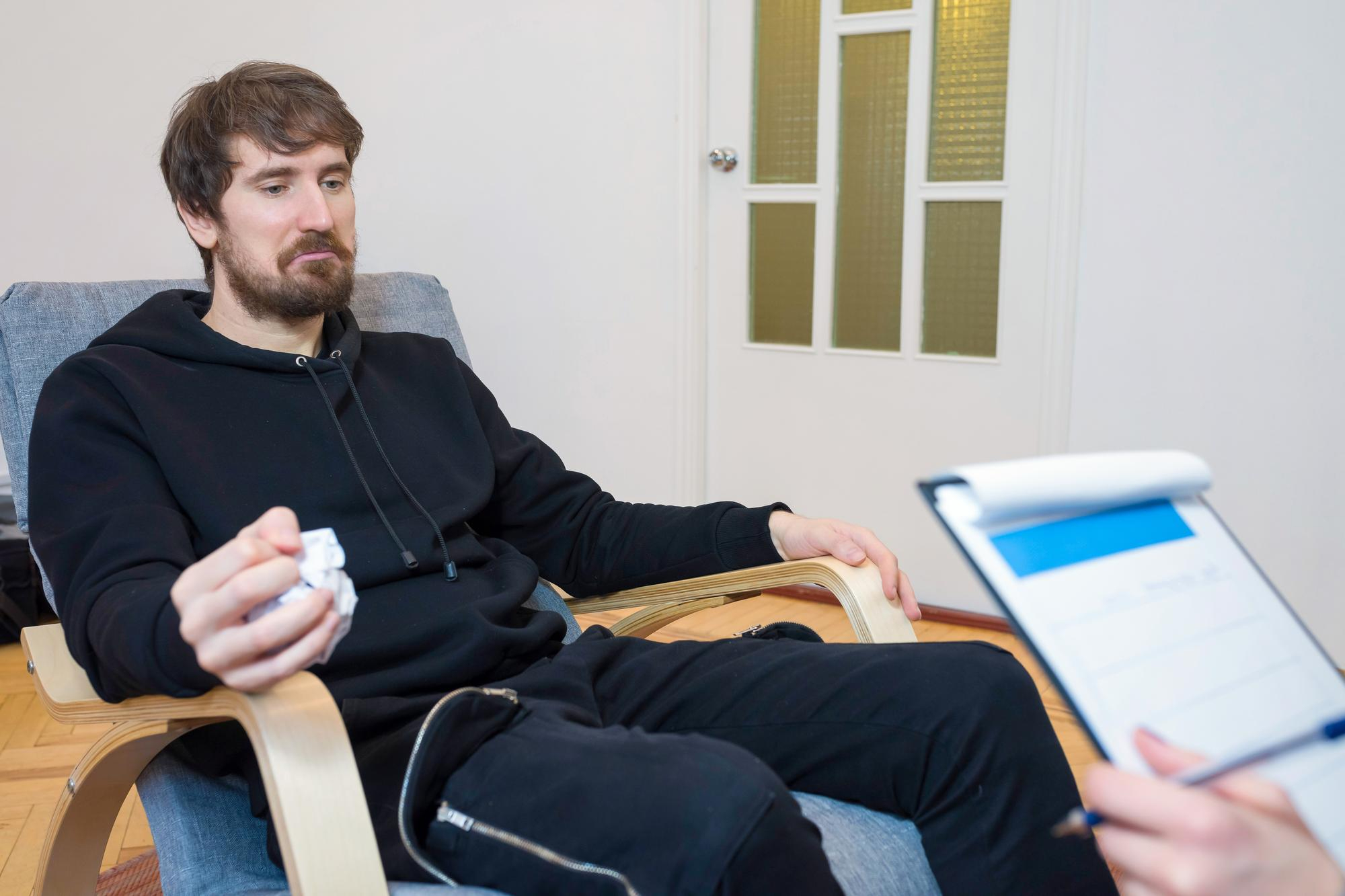
Many people who enter treatment are carrying more than addiction. Depression, anxiety, trauma, and PTSD often sit beside alcohol or drug use, shaping how a person feels and how they cope. Compassionate rehab care in Newfane has to account for both sides of that reality from the start. When mental health symptoms and substance use are treated together, the work becomes more complete and more realistic.
What a Co-occurring Disorder Actually Is
A co-occurring disorder, sometimes called dual diagnosis, means a person is living with both a substance use disorder and a mental health condition at the same time. That might look like alcohol use and depression, opioid dependence and anxiety, or trauma symptoms alongside ongoing drug use. These problems do not sit in separate boxes. They often feed into each other in ways that make recovery harder when only one is addressed.
Someone may use substances to quiet panic, numb sadness, or get through sleepless nights. Over time, that coping pattern can deepen both the addiction and the mental health condition. When treatment only focuses on stopping substance use, the emotional and psychological strain underneath it may still be there. That is one reason relapse risk can stay high without dual diagnosis care.
Why Integrated Treatment Produces Better Outcomes
People with co-occurring disorders usually do better when both conditions are treated within one plan. If addiction care happens in one place and mental health care is pushed off for later, the gap between the two can become a problem. That kind of split approach often leaves too much room for symptoms to keep building after discharge. A person may stop using for a short time but still feel overwhelmed by the same depression, trauma, or anxiety that drove the substance use.
At Niagara Recovery, co-occurring conditions are addressed as part of inpatient care rather than treated as an afterthought. Assessment begins at admission, and those findings are worked into the treatment plan right away. That means the clinical team is not trying to catch up later. The person enters care with both parts of the picture already in view.
The Clinical Modalities Used for Co-occurring Treatment
Treating both addiction and mental health requires more than one type of support. Different therapies help patients understand how thoughts, emotional reactions, and past experiences affect their behavior. Dialectical Behavior Therapy can help with emotional control, distress tolerance, and relationship patterns that often show up in both addiction and mental health struggles. Cognitive Behavioral Therapy helps patients notice the thinking patterns that connect symptoms to substance use and begin changing them.
Trauma-informed care also matters in this setting. Many people entering treatment have histories that still affect the way they respond to stress, conflict, fear, or shame. Seeking Safety is one model often used when trauma and substance use overlap, because it gives patients practical ways to build stability without forcing them into deeper trauma work before they are ready. The goal is to help patients feel safer, steadier, and more able to stay engaged in recovery.
How Medication-Assisted Treatment Fits Into Dual Diagnosis Care
For some patients, medication is an important part of stabilizing early recovery. This is especially true for opioid use disorder, where medication-assisted treatment can reduce cravings and help the body settle enough for therapy to begin working. Buprenorphine and naltrexone are often used to support that process. When the physical side of addiction is less intense, patients usually have a better chance of engaging with the emotional work of treatment.
Medication decisions also need to make sense alongside a patient’s mental health condition. Someone dealing with anxiety, depression, trauma symptoms, or another diagnosis may need a plan that takes the full picture into account. At Niagara Recovery, Dr. Harnath Clerk oversees MAT protocols and reviews medication needs in the context of the patient’s overall presentation. That helps keep treatment coordinated instead of fragmented.
What Family Counseling Adds to Co-occurring Disorder Treatment
Addiction and mental health symptoms often affect the whole family, not just the person in treatment. Loved ones may feel confused, worn down, angry, or afraid, especially if they have been trying to help for a long time without understanding what is really happening. Family counseling gives them a place to ask questions and begin making sense of the situation. It also gives the patient a chance to work on trust and communication in a more structured way.
This can matter even more when trauma or PTSD is part of the picture. Family members may not understand why a loved one reacts strongly, pulls away, or struggles with certain situations. Counseling can help them see those patterns more clearly and respond in ways that support recovery rather than add more strain. That can make the home environment feel less chaotic once treatment ends.
Aftercare Planning for Dual Diagnosis
Discharge planning for co-occurring disorders has to be specific. It is not enough to finish inpatient treatment and hope the next step becomes clear later. A person leaving rehab may still need mental health support, medication follow-up, recovery coaching, outpatient treatment, or sober living, depending on their situation. The days and weeks right after discharge are often some of the most vulnerable.
Before a patient leaves our 28-day inpatient rehabilitation program, the clinical team builds an aftercare plan that reflects both addiction recovery and mental health needs. That may include referrals to outpatient providers, continuing care options, recovery support, and housing resources where needed. The goal is to make the transition out of inpatient care feel connected rather than abrupt. When that handoff is handled well, the work done in treatment has a stronger chance of holding.
Getting Started
If you are dealing with a mental health condition alongside substance use, reaching out for help can be the first real shift. Our intake team can talk through your situation, verify insurance, and explain how co-occurring disorder treatment fits into your care plan. That conversation can help you understand what treatment may look like before admission begins. It can also make the process feel less uncertain.
To get started, call our intake team at (716) 265-3700 or email admissions@niagararecovery.com. You can also read more about our medically supervised inpatient detox program as the first stage of care, or contact us directly to discuss admission.
Related Topics: