Alcohol detox centers provide medically supervised withdrawal management for individuals seeking recovery from alcohol dependence. These specialized facilities combine medical expertise with therapeutic interventions to address both physical and psychological aspects of alcohol withdrawal. Professional treatment teams monitor patients throughout the detoxification process, ensuring safety while managing potentially dangerous withdrawal symptoms that can occur when someone stops drinking after prolonged alcohol use.
The detox process requires careful medical oversight since alcohol withdrawal can produce serious complications, including seizures, delirium tremens, and cardiovascular issues. At Newfane's best alcohol rehabilitation facility, treatment programs report success rates of 85-90% for completing the initial detoxification phase when patients receive proper medical supervision and supportive care.
The Purpose of Alcohol Detox Centers
Detox centers serve as the starting point for alcohol recovery, focusing primarily on safe withdrawal management. Medical teams work around the clock to monitor patients and intervene when complications arise. The primary goal involves stabilizing patients both physically and emotionally while their bodies adjust to functioning without alcohol.
Most centers provide 24/7 medical monitoring, medication management for withdrawal symptoms, and basic counseling support. Staff members trained in addiction medicine understand that withdrawal symptoms can range from mild discomfort to life-threatening medical emergencies. This level of professional oversight makes the difference between a safe detox experience and potentially dangerous complications that could occur without supervision.
The controlled environment helps patients focus on recovery without external pressures or access to alcohol. Many people find that removing themselves from their usual environment reduces triggers and temptations during this vulnerable period.
The Detoxification Process Explained
Detox typically lasts between 3-7 days, though the timeline varies based on individual factors like drinking patterns, overall health, and previous withdrawal experiences. During this period, the body works to eliminate alcohol while adjusting to normal functioning.
Common withdrawal symptoms include tremors, sweating, anxiety, nausea, headaches, and sleep disturbances. More severe cases might experience hallucinations, seizures, or delirium tremens (DTs), which require immediate medical intervention. Medical staff track symptoms using standardized assessment tools like the Clinical Institute Withdrawal Assessment for Alcohol (CIWA-Ar) scale.
Proper hydration becomes particularly important during detox since alcohol withdrawal often causes dehydration and electrolyte imbalances. Nutritional support helps replenish vitamins and minerals that chronic alcohol use typically depletes, especially B vitamins and magnesium.
Rest plays a significant role in recovery, though sleep disturbances are common during the first few days. Medical teams may prescribe sleep aids or anti-anxiety medications to help manage these symptoms safely.
Medical Supervision and Safety Protocols
Medical supervision distinguishes professional detox from attempting withdrawal alone, which carries significant risks. Healthcare providers monitor vital signs, including blood pressure, heart rate, and temperature, at regular intervals throughout the day and night.
When withdrawal symptoms become severe, medical teams can administer FDA-approved medications like benzodiazepines to prevent seizures and reduce anxiety. Other medications might include anti-nausea drugs, sleep aids, or blood pressure medications, depending on individual needs.
Nursing staff conduct frequent assessments to monitor symptom progression and identify concerning changes that may indicate complications. This constant monitoring enables immediate intervention in the event of medical emergencies.
Some facilities use evidence-based protocols that have shown effectiveness in reducing withdrawal severity and improving patient outcomes. These standardized approaches help ensure consistent, high-quality care across different treatment teams.
Treatment Approaches and Therapeutic Interventions
Modern detox centers integrate multiple treatment modalities beyond basic medical care. Medication-assisted treatment uses FDA-approved drugs to manage cravings and withdrawal symptoms more effectively than detox alone.
Cognitive behavioral therapy sessions help patients identify triggers and develop coping strategies for managing cravings once they leave the facility. Individual counseling provides space to explore underlying issues that may contribute to alcohol dependence.
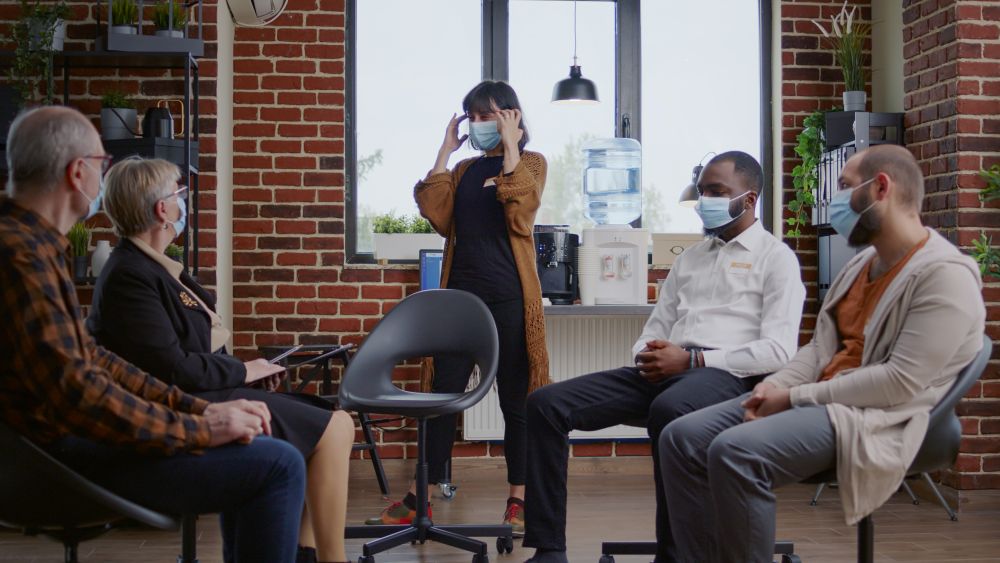
Group therapy sessions allow patients to connect with others going through similar experiences. Many people find peer support particularly valuable during this challenging time. Sharing experiences and coping strategies builds a sense of community that can continue beyond the detox period.
Some centers offer specialized therapies such as art therapy, meditation, or yoga to help patients develop healthy stress-management techniques. These complementary approaches address the mental health aspects of recovery that medication alone cannot treat.
Creating a Supportive Treatment Environment
The physical environment plays an important role in recovery success. Most detox centers design spaces to feel comfortable and welcoming rather than clinical or institutional. Private or semi-private rooms provide dignity and a place to rest during a vulnerable time.
Common areas allow for social interaction and group activities while maintaining appropriate boundaries. Many facilities include outdoor spaces where patients can get fresh air and gentle exercise as their health improves.
Staff training emphasizes empathy and non-judgmental care, since many patients arrive feeling ashamed or embarrassed about their situation. Creating an atmosphere of acceptance and hope helps patients engage more fully in their treatment.
Visitor policies typically allow family involvement while maintaining appropriate limits that support the recovery environment. Some centers offer family education sessions to help loved ones understand addiction and learn how to provide effective support.
Planning for Long-Term Recovery Success
Detox represents only the beginning of the recovery process, not a complete solution to alcohol dependence. Most successful outcomes require ongoing treatment after the initial detox period ends.
Treatment teams work with patients to develop aftercare plans that might include outpatient counseling, support group participation, intensive outpatient programs, or residential treatment. These recommendations depend on individual circumstances, severity of addiction, and available support systems.
Relapse prevention planning helps patients identify high-risk situations and develop specific strategies for managing cravings and triggers. Learning these skills during detox gives patients tools they can use immediately upon discharge.
Many centers provide connections to community resources like Alcoholics Anonymous, SMART Recovery, or other peer support programs. Building these connections before leaving detox increases the likelihood that patients will follow through with ongoing support.
Follow-up contact from treatment teams helps track progress and address any challenges that arise during the transition period. Some facilities offer alumni programs or continuing care services to maintain these supportive relationships long-term.
Contact Us
If you or a loved one is seeking compassionate and professional addiction treatment, Niagara Recovery is here to help. Reach out to us to begin the journey toward recovery.
Facility Address: 2600 William St, Newfane, NY 14108
- Intake Phone: (716) 203-8000
- Facility Phone: (716) 265-3700
Email: admissions@niagararecovery.com
Office Hours: Monday–Sunday: 24 hours
Related Topics: