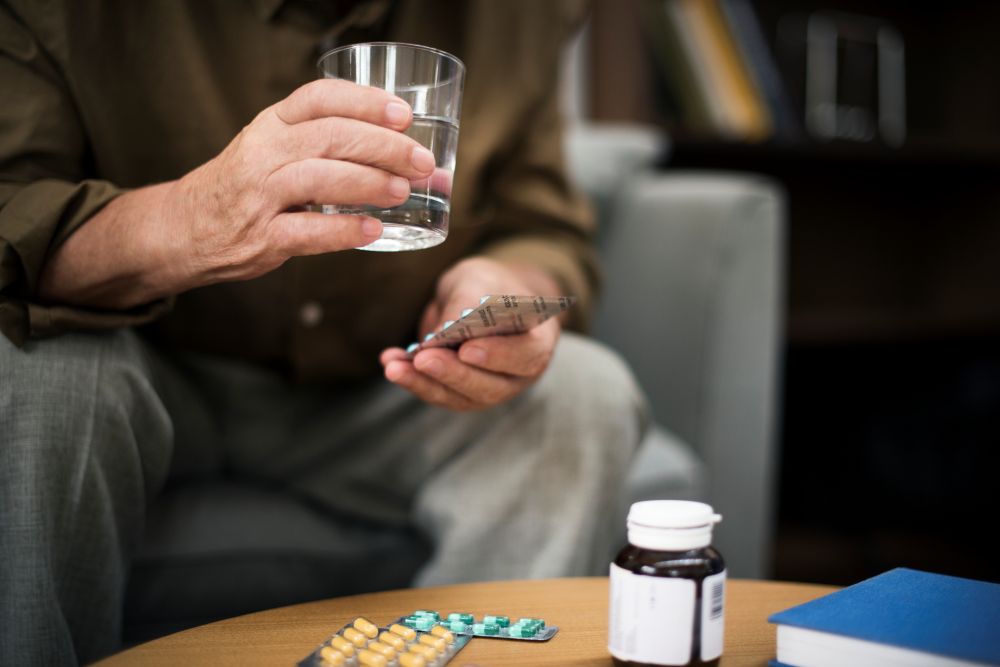
Recovery from alcohol dependence is absolutely possible with the right medical support. Several proven medications can make withdrawal safer and more manageable, helping people move toward lasting sobriety. A trusted alcohol rehabilitation team can guide patients through the detox process and recommend the best treatment options for their situation. This post covers the most commonly used medications for alcohol withdrawal, including how they work and what benefits they offer. Understanding these options gives you a clearer path forward on the road to recovery.
Benzodiazepines
Benzodiazepines are among the most widely used medications for managing alcohol withdrawal. Drugs like diazepam and lorazepam work by boosting the effects of GABA, a brain chemical that helps calm nerve activity. Since alcohol withdrawal often causes the nervous system to become overactive, benzodiazepines help bring things back into balance. They're effective at reducing anxiety, tremors, and the risk of seizures or delirium tremens during detox. Medical teams monitor dosing carefully to make sure patients get the relief they need while staying safe throughout the process.
Anticonvulsants
Anticonvulsants offer another solid option for managing withdrawal symptoms, especially for patients who have a history of seizures or can't take benzodiazepines. Medications like carbamazepine and valproate work by stabilizing nerve cell membranes and lowering brain excitability. This helps prevent severe symptoms like seizures from developing during withdrawal. While anticonvulsants can cause side effects like drowsiness or dizziness, they're a helpful alternative for many people. A healthcare provider can determine if this type of medication fits your needs and medical history.
Naltrexone
Naltrexone helps people in recovery by reducing alcohol cravings and lowering the chance of relapse. It blocks opioid receptors in the brain, which are tied to the rewarding feelings alcohol produces. By cutting off that reward signal, naltrexone makes it easier to cut back on drinking over time. Research shows it works especially well for people who experience strong cravings or have struggled with repeated relapses. Naltrexone comes in daily pill form or as a monthly injection, giving patients flexibility in how they receive treatment.
Acamprosate
Acamprosate takes a different approach than naltrexone by targeting the glutamate system in the brain. Chronic drinking throws off brain chemistry, and acamprosate helps restore that balance, which can reduce the urge to drink. It works best for people who have already stopped drinking and want to stay sober long-term. Studies show that acamprosate combined with counseling and support groups can significantly improve abstinence rates. For many people in recovery, this medication provides a helpful boost in maintaining their progress.
Disulfiram
Disulfiram works differently from other medications on this list; it creates a strong deterrent to drinking. The medication blocks an enzyme that breaks down alcohol in the body. If someone drinks while taking disulfiram, they'll experience uncomfortable symptoms like flushing, nausea, and a rapid heartbeat. This unpleasant reaction discourages drinking and reinforces the commitment to sobriety. Disulfiram is most effective when paired with counseling and a solid support system, and patients should fully understand how it works before starting treatment.
Clonidine
Clonidine, originally developed for high blood pressure, can also help manage physical withdrawal symptoms like elevated blood pressure, rapid heart rate, and anxiety. It works by activating certain receptors in the brain that reduce the release of norepinephrine, calming down the overactive nervous system that's common during withdrawal. Clonidine is especially useful for mild to moderate withdrawal cases or for patients who can't take other standard medications. Since it can lower blood pressure and cause drowsiness, medical supervision during treatment keeps patients safe and comfortable.
Related Topics: