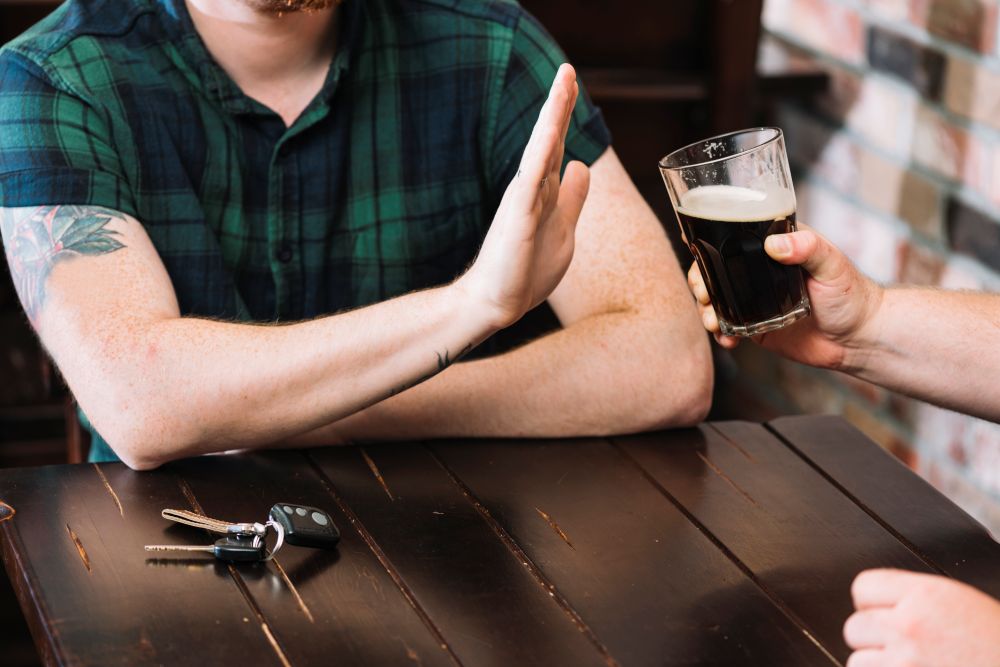
Deciding to quit daily drinking is one of the best choices you can make for your health and future. Your body and mind will go through changes during this time, but the rewards are worth it. A recommended alcohol rehab clinic can provide the support and guidance you need to get through the adjustment period safely. This post covers what to expect physically and emotionally, plus the positive changes you'll start to notice. You're taking a powerful step toward a healthier, happier life.
Physical Withdrawal Symptoms
When you stop drinking after doing it daily, your body needs time to adjust. You might experience symptoms like tremors, sweating, nausea, or headaches during the first few days. These signs can feel uncomfortable, but they're usually temporary as your system recalibrates without alcohol. Staying hydrated, eating good meals, and getting plenty of rest will help your body through this transition. If symptoms feel severe, getting medical support can make the process safer and more manageable. Remember, these physical changes mean your body is healing and resetting itself.
Mental Health Challenges
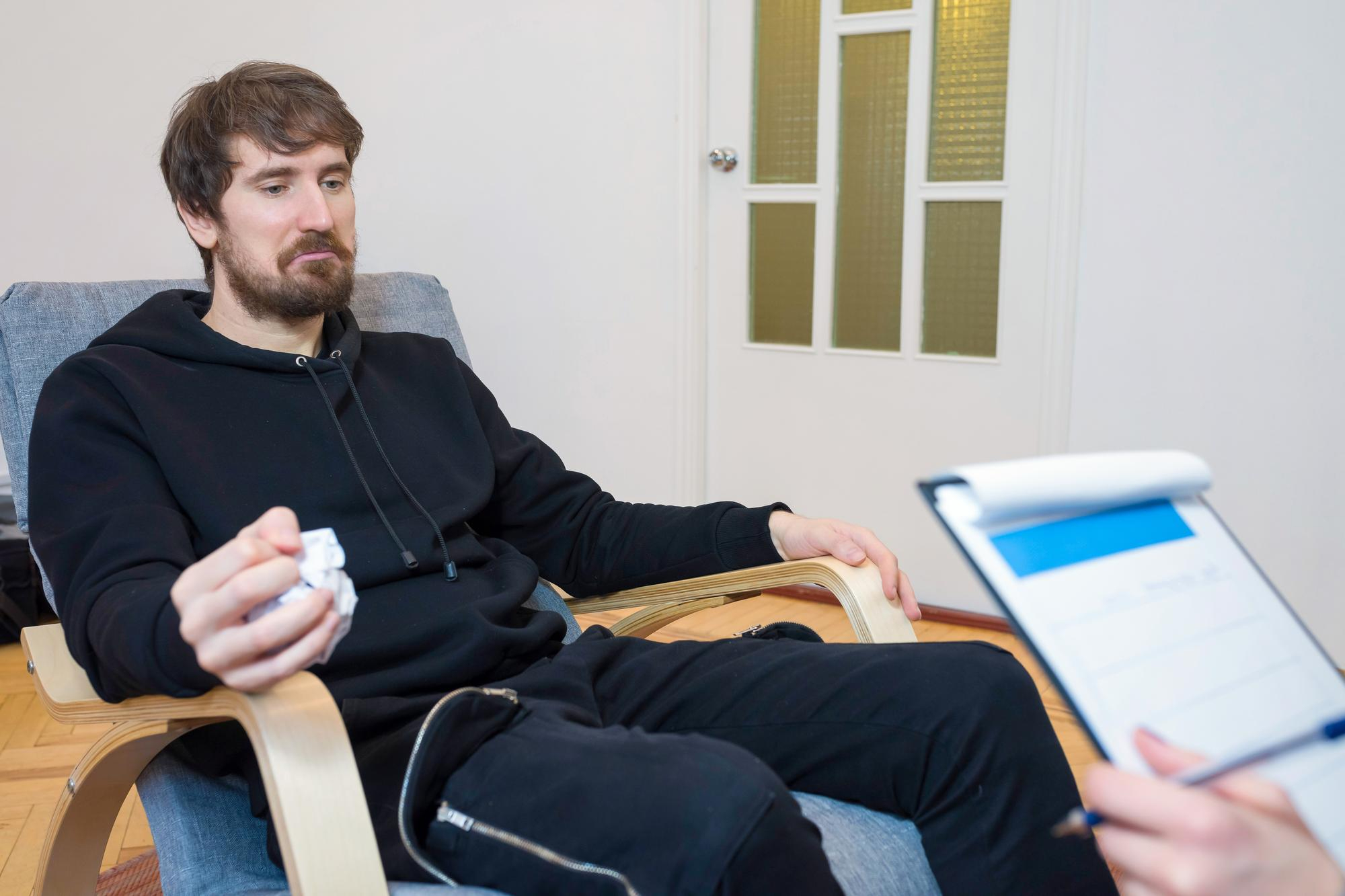
Quitting alcohol can also affect your mental state as your brain chemistry adjusts. You might notice increased anxiety, mood swings, or moments where your thinking feels foggy. These responses are normal and tend to ease up as your brain adapts to functioning without alcohol. Talking to a mental health professional, trying therapy, or practicing self-care through meditation and exercise can make a real difference. Be patient with yourself during this time. These challenges are part of the recovery process, and working through them puts you on the path to feeling clearer and more balanced.
Sleep Disturbances
Sleep can get tricky when you first stop drinking. Your body is used to alcohol affecting your sleep patterns, so you might have trouble falling asleep or staying asleep through the night. Creating a relaxing bedtime routine helps, such as reading, taking a warm bath, or doing some light stretching before bed. Cutting back on caffeine and putting away screens in the evening can also make a difference. If sleep issues stick around, a healthcare provider can offer guidance. Good sleep is a big part of feeling better overall, and it will improve as your body adjusts.
Emotional Rollercoaster
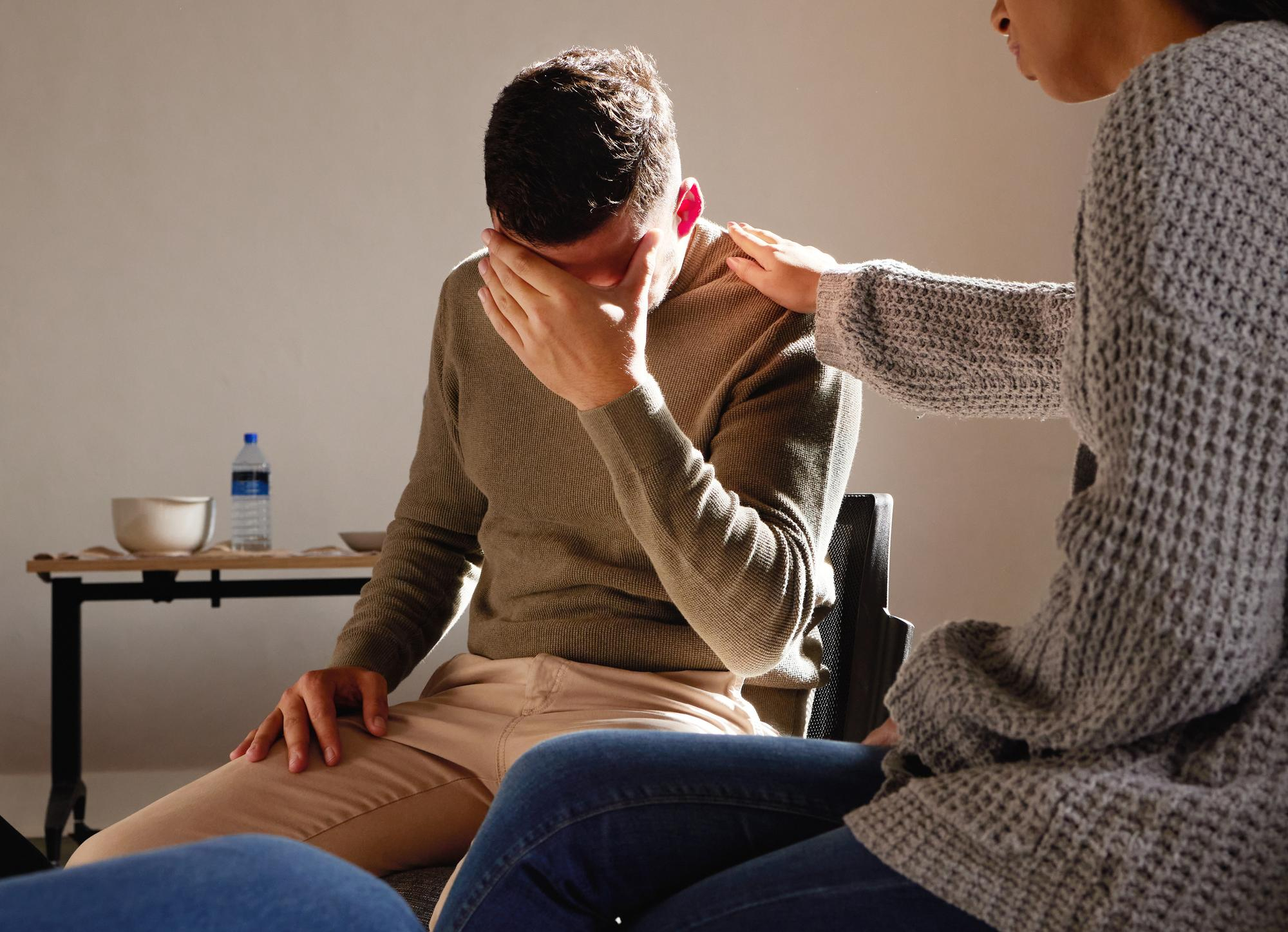
Your emotions might feel all over the place when you quit drinking. Expect moments of anxiety, irritability, sadness, and even bursts of unexpected happiness. These feelings can shift quickly, which is completely normal during this adjustment period. Practicing self-care and leaning on friends, family, or professionals for support can help steady things out. Activities like exercise, meditation, or writing in a journal give you healthy ways to process what you're feeling. Be gentle with yourself; every emotion you experience is part of moving forward and healing.
Impact on Relationships
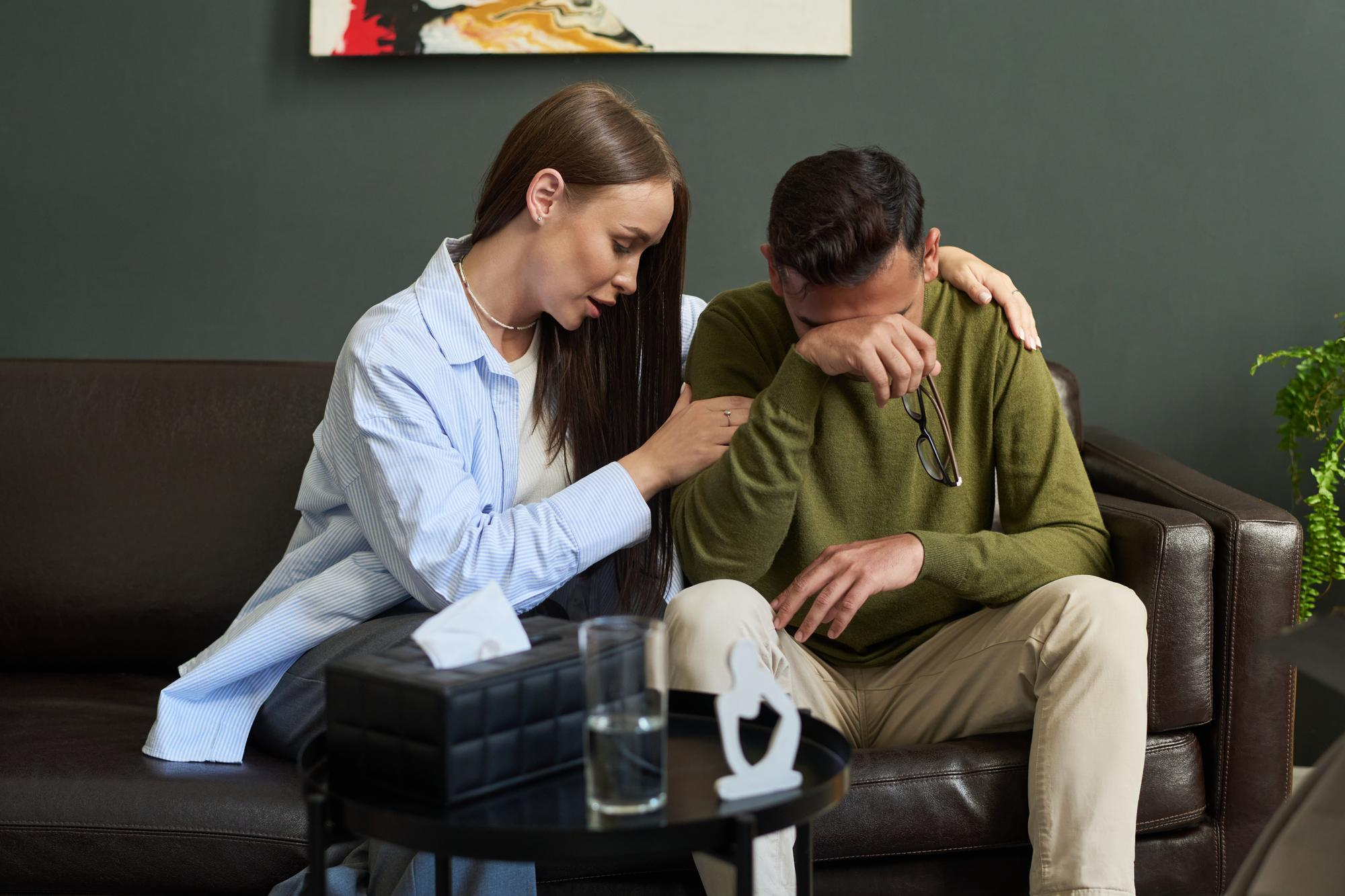
Quitting alcohol can change how you relate to the people around you. Without alcohol masking underlying issues, you might see your relationships more clearly. This can feel uncomfortable at first, but it opens the door to deeper, more honest connections. Open communication, patience, and empathy go a long way during this time. Your loved ones may need to adjust to the changes, too, and that's okay. Therapy or support groups can help everyone involved work through this period together and build stronger bonds.
Health Improvements
The positive changes that come with quitting alcohol are real and noticeable. Your liver starts to repair itself, which lowers your risk of liver disease. Blood pressure and heart health often improve, reducing your chances of cardiovascular problems. Mental clarity gets sharper, helping you make better decisions and think more clearly. Sleep patterns even out, giving you more energy during the day. Many people also lose weight and notice their skin looks healthier. Choosing to live without daily alcohol gives your body and mind the chance to thrive, and that's something to feel good about.
Related Topics: